◆ Clay
Bud vase slip casting mold
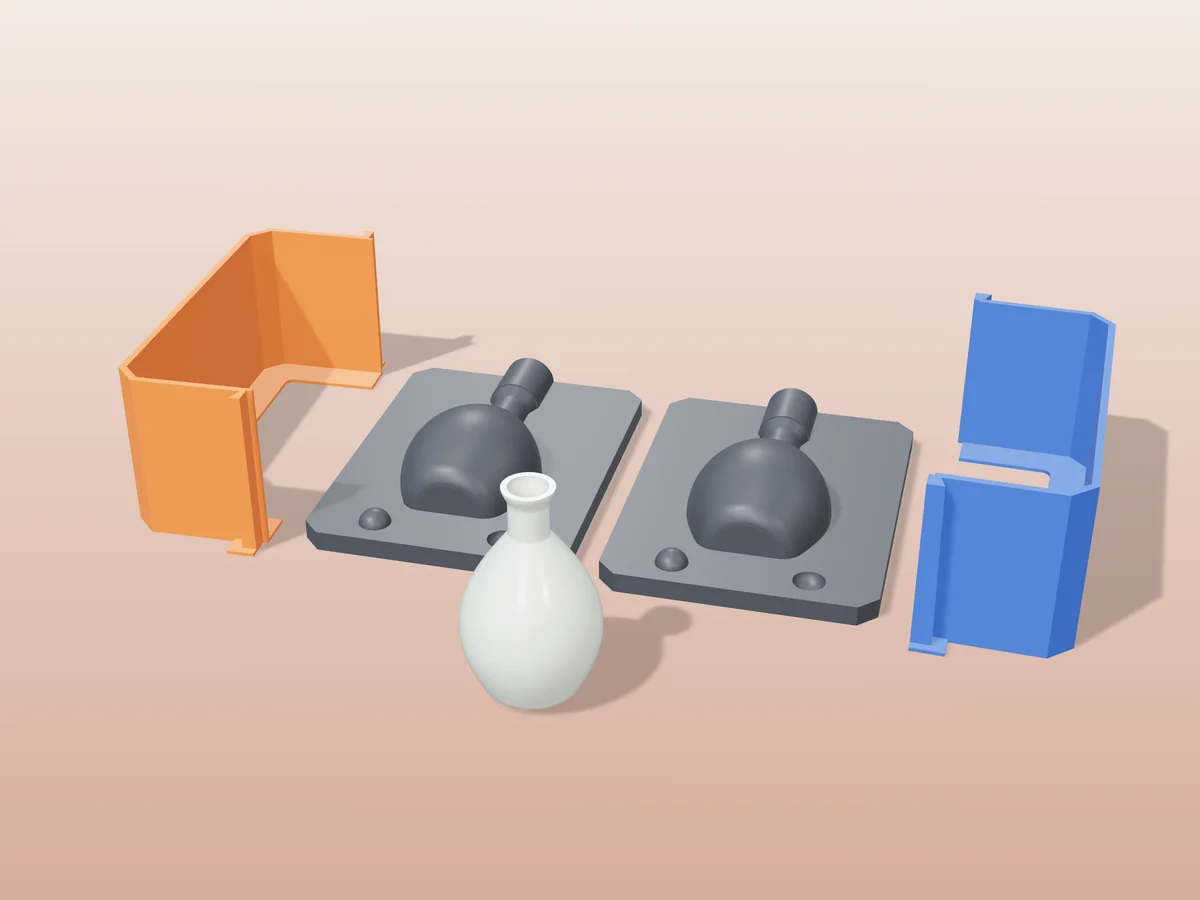
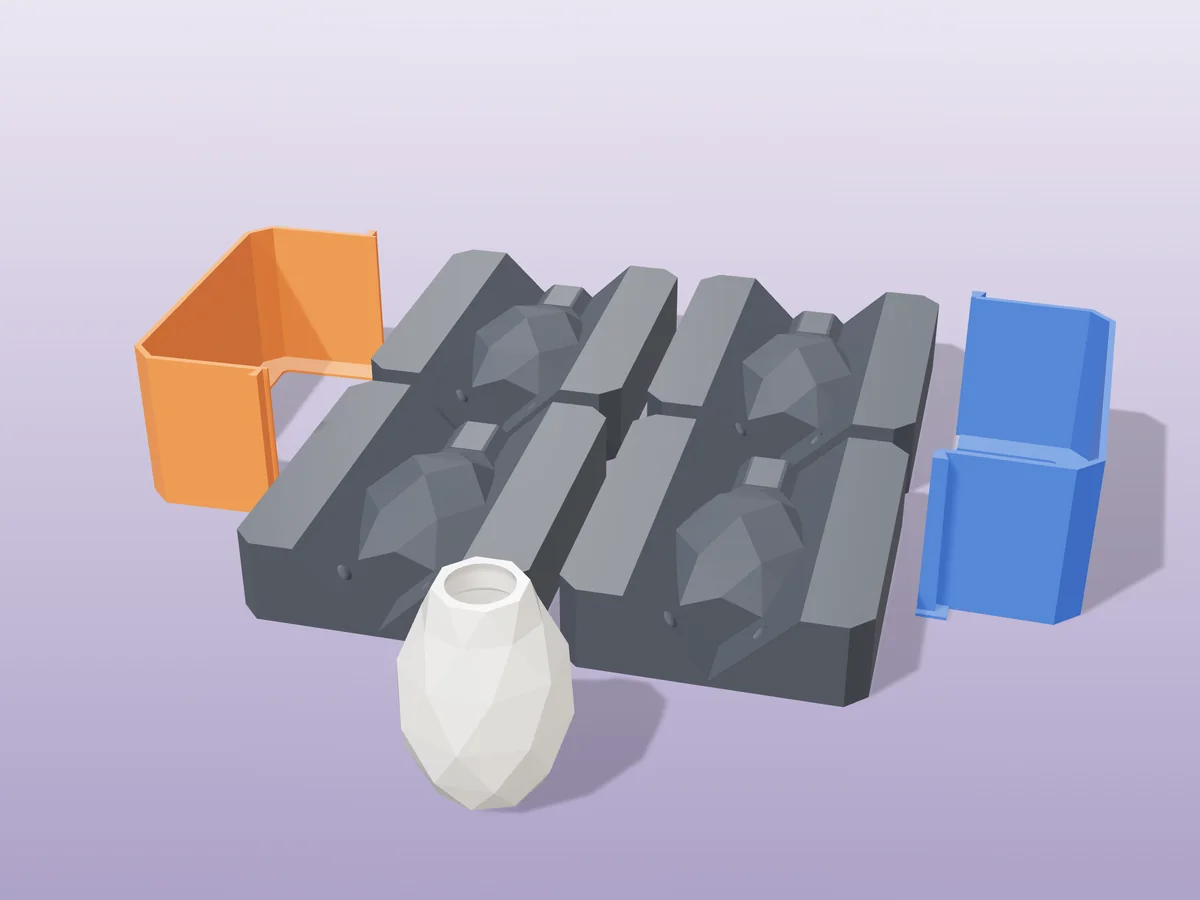
A two-piece plaster mold for slip casting a 115 mm bud vase: round bulb, long neck, rolled lip.
◆ Clay
A two-piece plaster mold for slip casting a 115 mm bud vase: round bulb, long neck, rolled lip.
A bud vase 70 mm across and 115 mm tall once fired: a round bulb on a small foot, a long neck 20 mm wide and a rolled lip. It holds 179 ml to the brim, plenty for a single stem or a few dried grasses.
Made with our plaster mold generator. You print a housing for each plaster piece and pour plaster into it, and the plaster is the mold. It is turned, so two pieces release it; the mold is open at the lip, and the mold is cut 15% oversize for a 13% shrinkage slip.
Bud vases sell well at markets and look good in sets, so cast a few in different glazes. The zip carries the two bases, one shell and clamp set that fits both, the vase as its own STL, the tool's print sheet and a recipe file for the generator.
Shown as a 3D render of the printed bases and shells with the fired piece in front, not a photo.
Print the 2 bases and the one set of shells and clamps, no supports. The sheet in the zip asks for 4 or more walls and 40% gyroid, because the shells get clamped.
Stand the two shells round the first base, slide the clamps over the ends, and run a thin bead of petroleum jelly along every seam. Brush mold soap over the printed master slice and the natch sockets so the plaster lets go.
Sift pottery plaster into water (about 100 g of plaster to 70 g of water), let it slake for two minutes, mix for three, then pour it up to the top of the shells and tap the housing to lift the bubbles.
After 30 to 45 minutes, when the plaster is warm and hard, unclamp, lift the shells off and ease the plaster piece off the base. Move the same shells and clamps to the next base and pour again.
Let the plaster pieces dry for about a week somewhere warm and airy, until they feel light and no longer cool to the touch. A damp mold barely takes water out of the slip.
Band the 2 pieces together with the natches seated, stand the mold mouth up and fill it to the lip with slip. Top it up as the level drops.
When the wall is 3 to 4 mm thick (usually 10 to 20 minutes, check at the rim), pour the slip back out and leave the mold upside down to drain.
Once the cast loses its shine and pulls away from the plaster, trim the rim, open the mold and lift the piece out. Dry it slowly to bone dry, then bisque and glaze fire.
Print details
| Cast material | Clay |
|---|---|
| Printed parts | 6 |
| Size (W x D x H) | 161 x 236 x 96 mm |
| Print bed needed | 237 x 151 mm, 97 mm tall |
| Filament | ~983 g |
| Layer height | 0.2 mm |
| Infill | 40% |
| Supports | Not needed |
| Download | ZIP: 2 bases + one shell and clamp set (6 printed parts, STL) + bud vase master (STL) + print sheet + recipe |
| Added | 2026-09-25 |
Pro early access until October 25, 2026, then free with any account.
Make your own plaster slip-cast mold →Made with the free Plaster slip-cast mold generator. Upload your own model and get the same kind of mold built around it, in your browser.
Free for personal use. Selling the pieces you cast needs a commercial licence (Pro or Founder); passing on the file itself is not permitted on any plan. Full terms.
New to casting? Read the plaster mold guide.
Tip the mold over slowly and let it glug: air has to get in as the slip runs out. Then leave it upside down at a slight angle on two sticks for 20 minutes so the last of it drains and no thick puddle sets in the bottom of the bulb.
Everything on it is round about one axis, so each half lifts straight off sideways with nothing in the way. The page's own seam check found nothing stuck at two pieces. More pieces would just mean more seam lines to clean up.
Once it is glaze fired, yes. Glaze the inside by pouring glaze in, swirling and pouring it out, and fire the clay to its full maturing temperature. An unglazed, underfired vase will weep.
 ClayPro early access
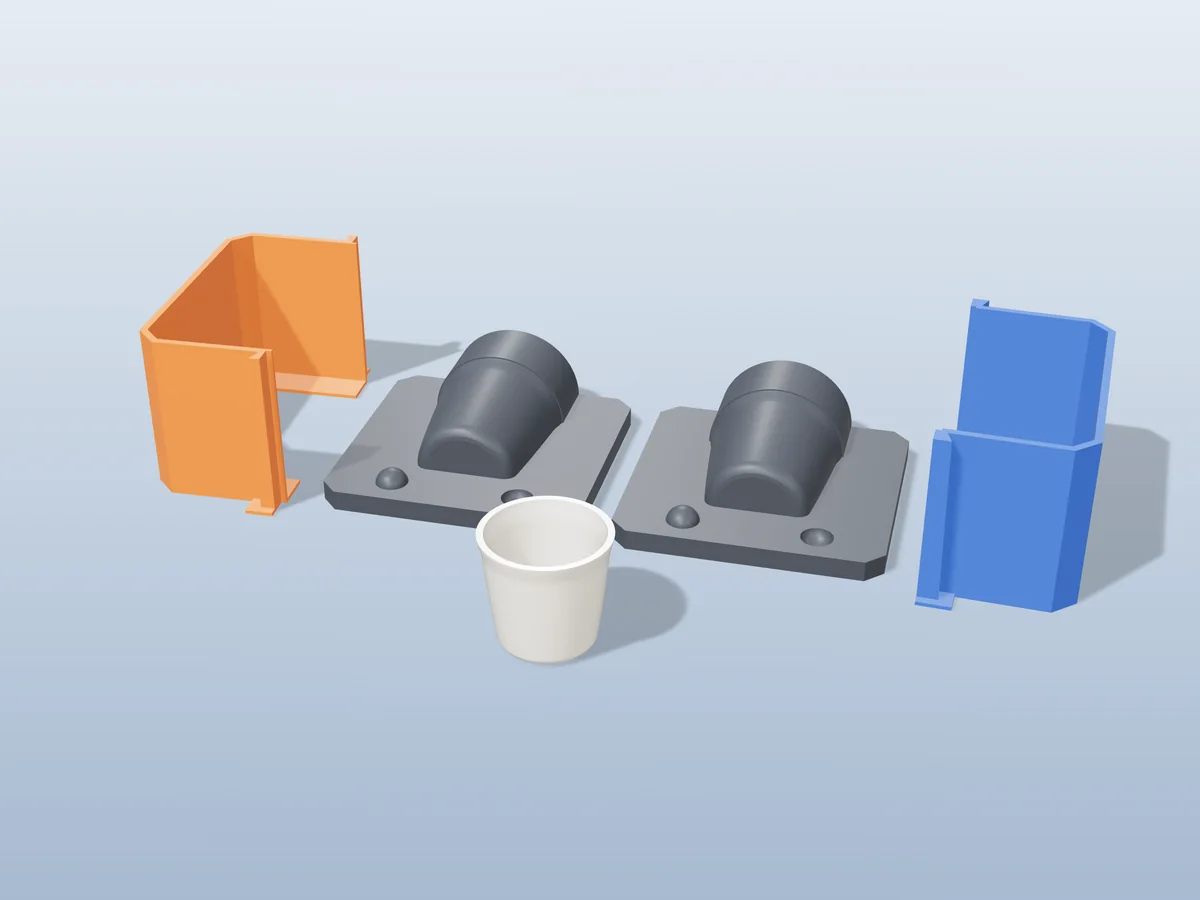
A two-piece plaster mold for slip casting a 114 ml espresso cup. Print the housings, pour the plaster, cast.
 ClayPro early access
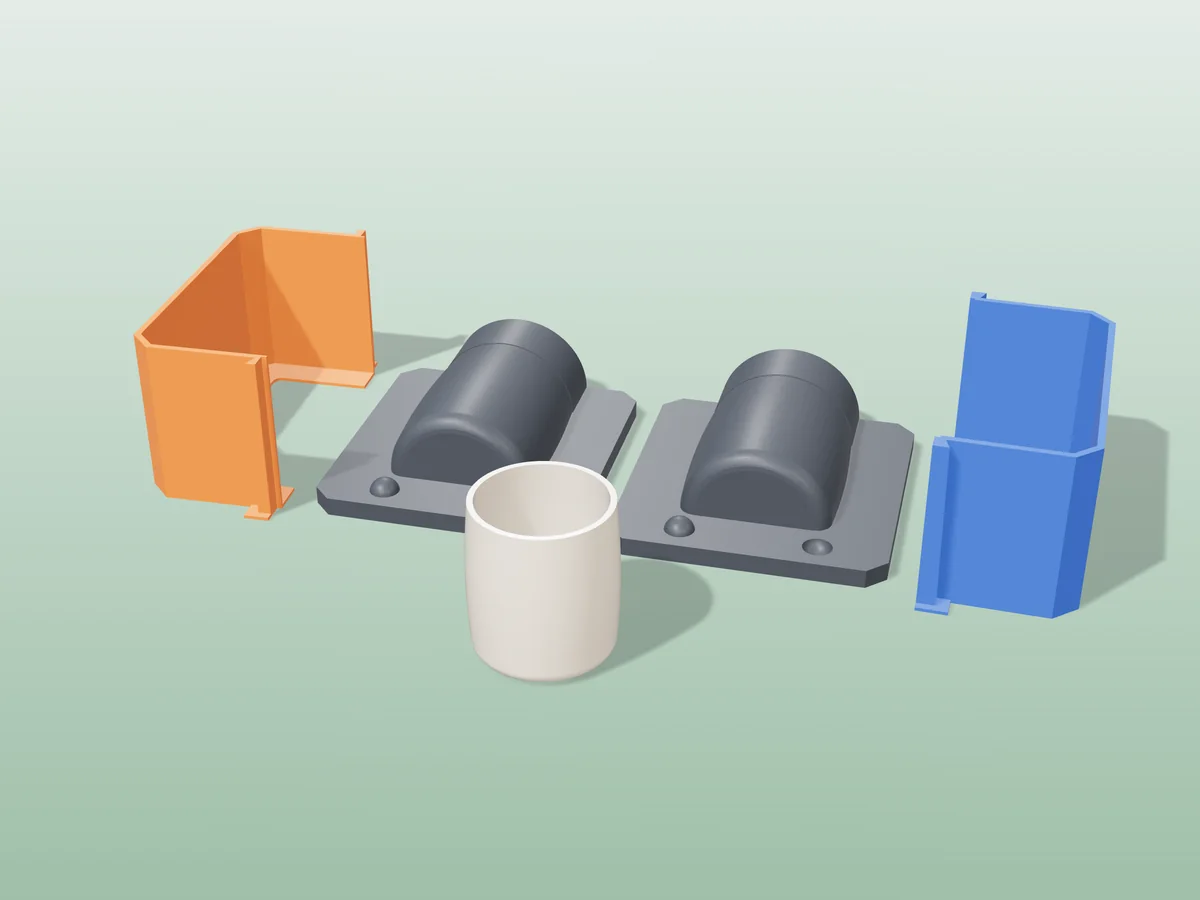
A two-piece plaster mold for slip casting a 365 ml straight mug body. Add your own pulled or cast handle.
 ClayPro early access
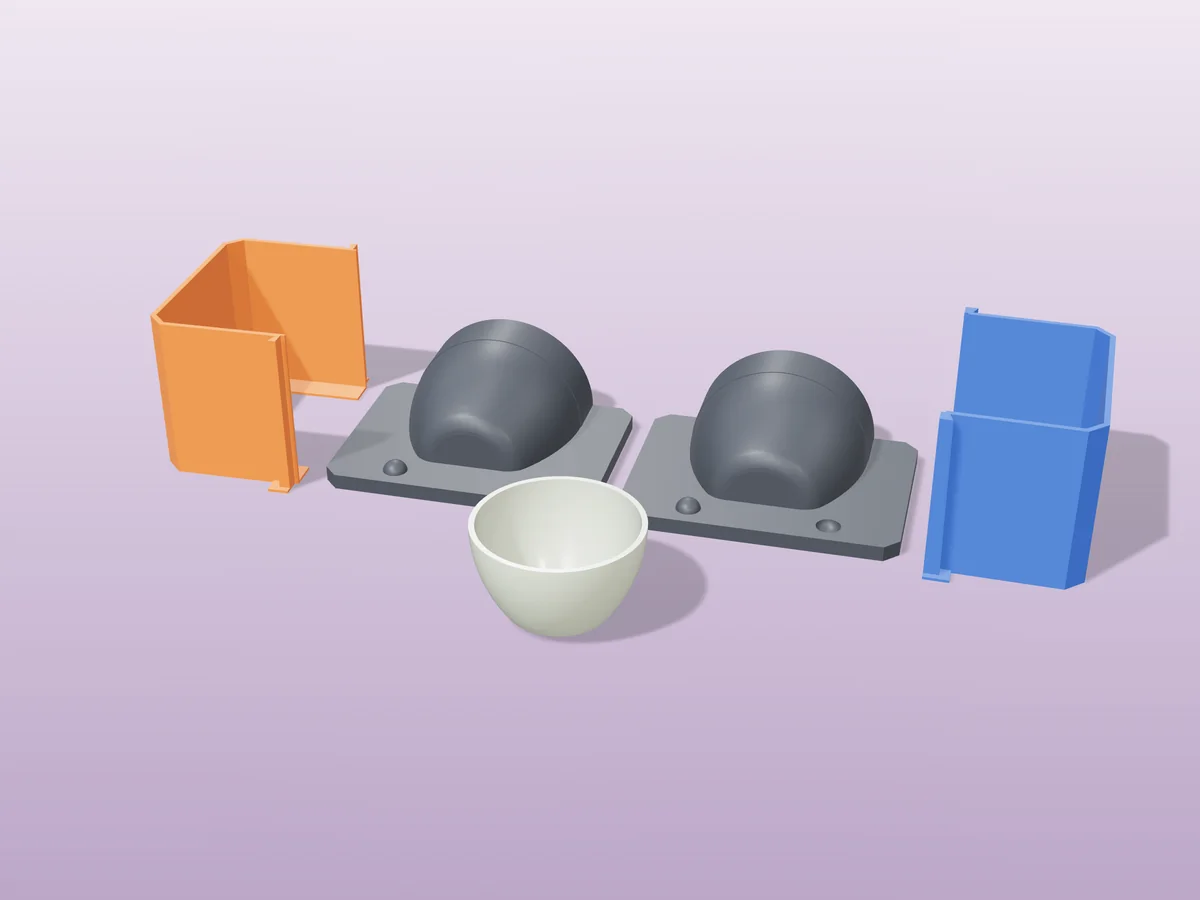
A two-piece plaster mold for slip casting a 116 mm matcha bowl (chawan) with a small foot.
 ClayPro early access
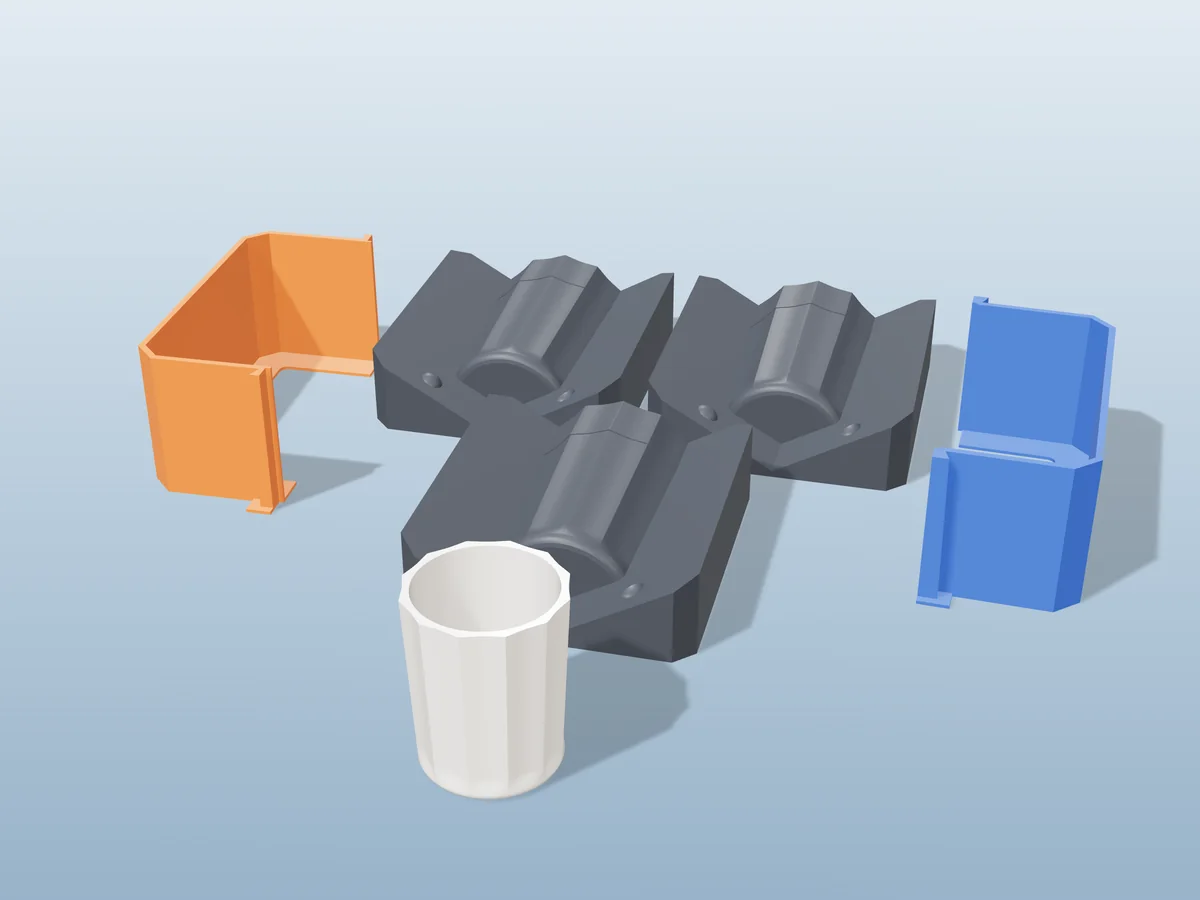
A three-piece plaster mold for slip casting a fluted 323 ml tumbler with twelve crisp flutes.
 ClayPro early access
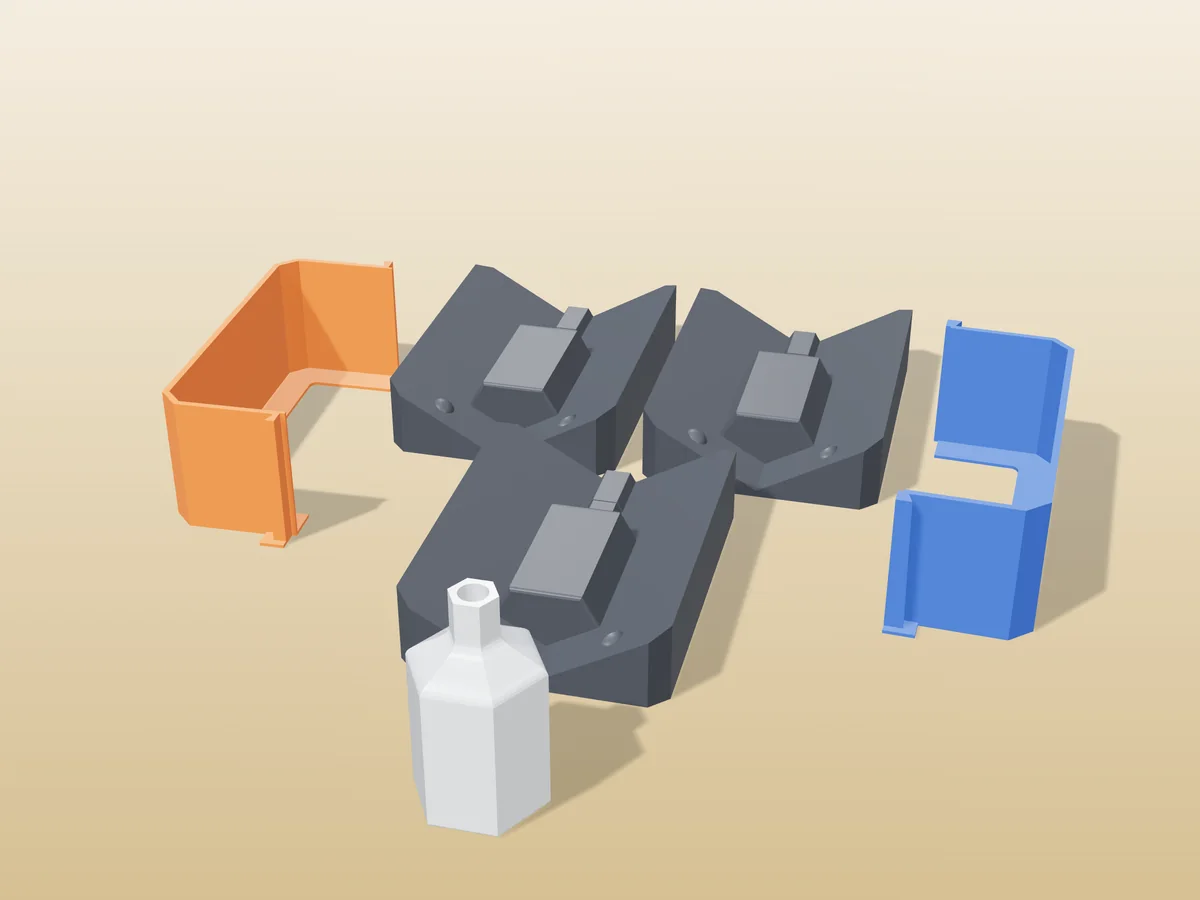
A three-piece plaster mold for slip casting a hexagonal bottle vase with a sloped shoulder and hex neck.
 ClayPro early access
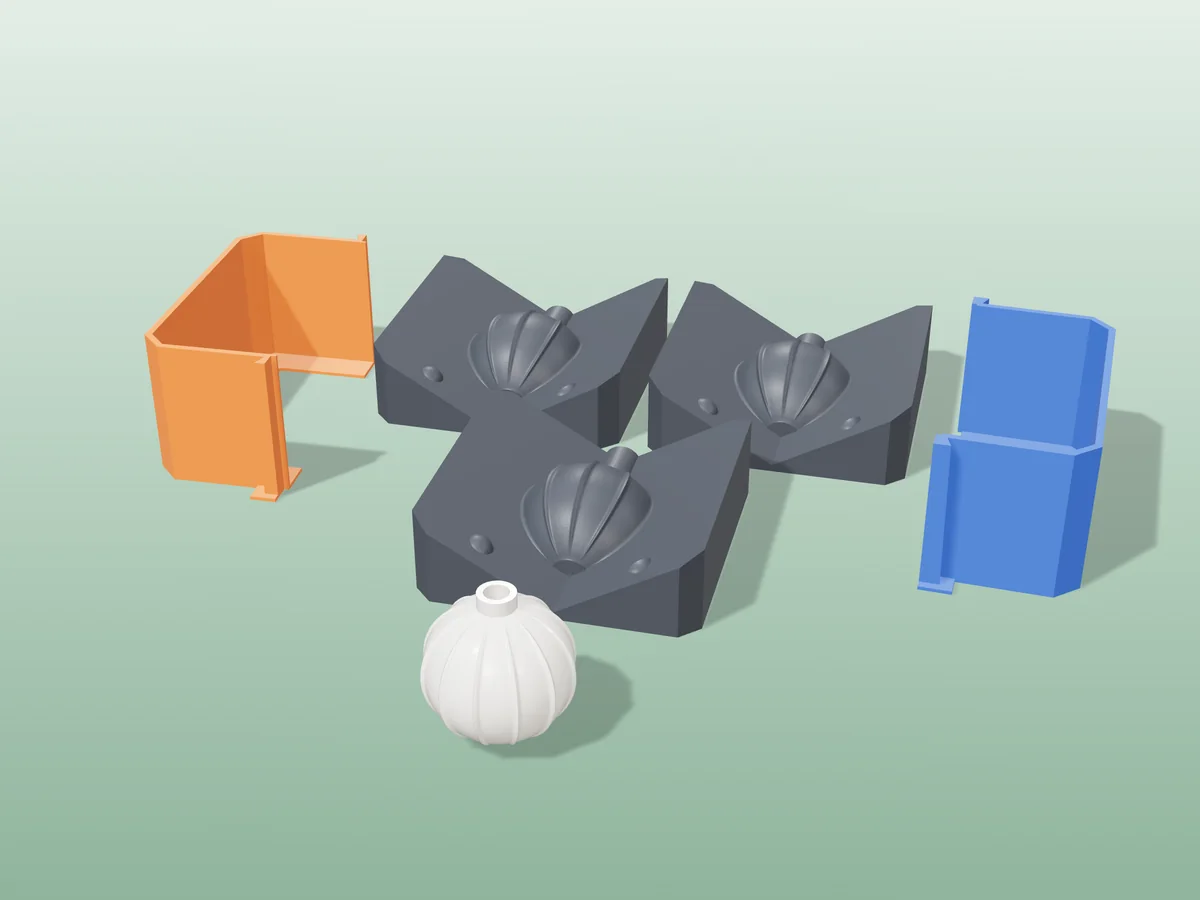
A three-piece plaster mold for slip casting a ribbed 72 mm Christmas bauble with its hanging neck.
 ClayPro early access
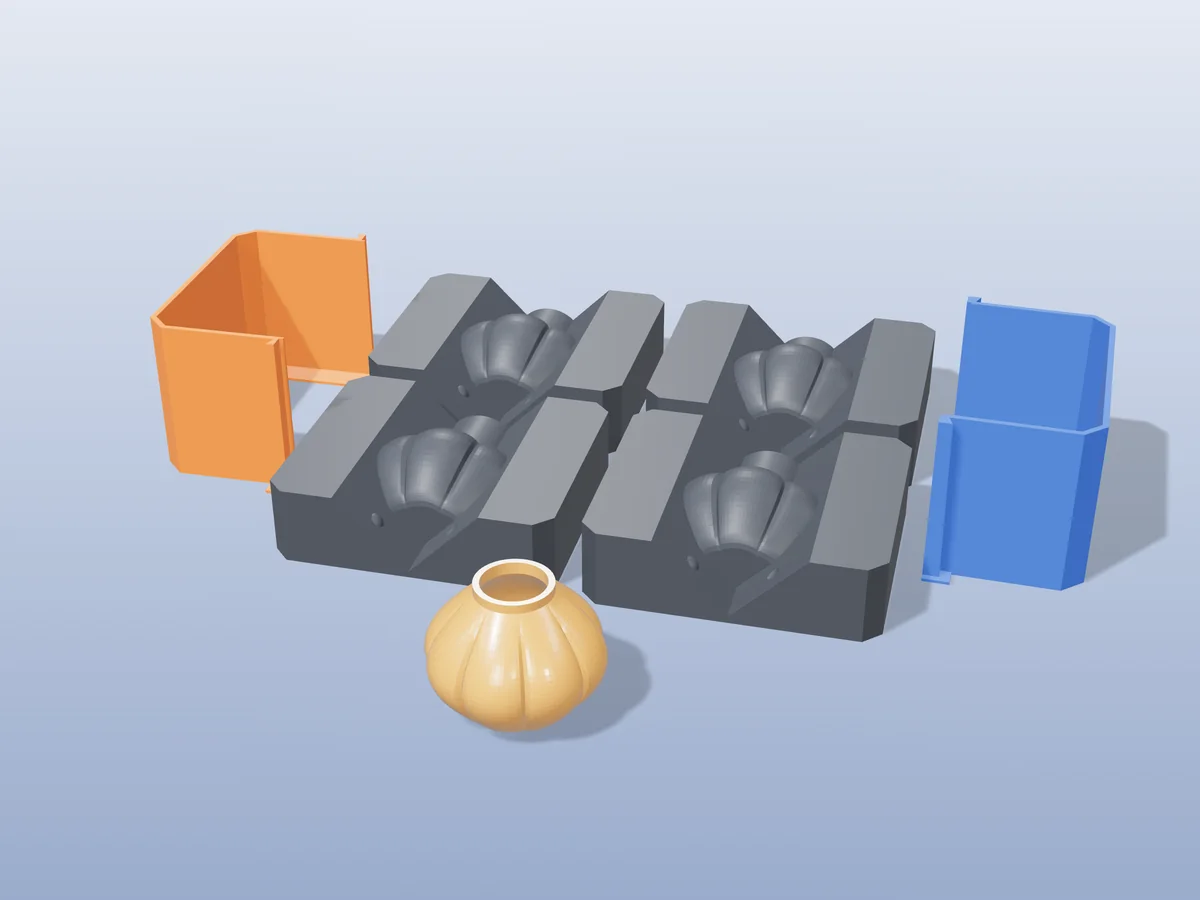
A four-piece plaster mold for slip casting an eight-lobed pumpkin votive or jar, 110 mm across.
 ClayPro early access
A four-piece plaster mold for slip casting a low-poly faceted vase, 122 mm tall with triangle facets.