◆ Mold library
Clay cutter and tool STL files
Printable polymer clay earring cutter sets, texture rollers and maker stamps for polymer clay, air-dry clay, pottery and terrain.
◆ Mold library
Printable polymer clay earring cutter sets, texture rollers and maker stamps for polymer clay, air-dry clay, pottery and terrain.
37 designs · print times from 35 min
ClayPro early access
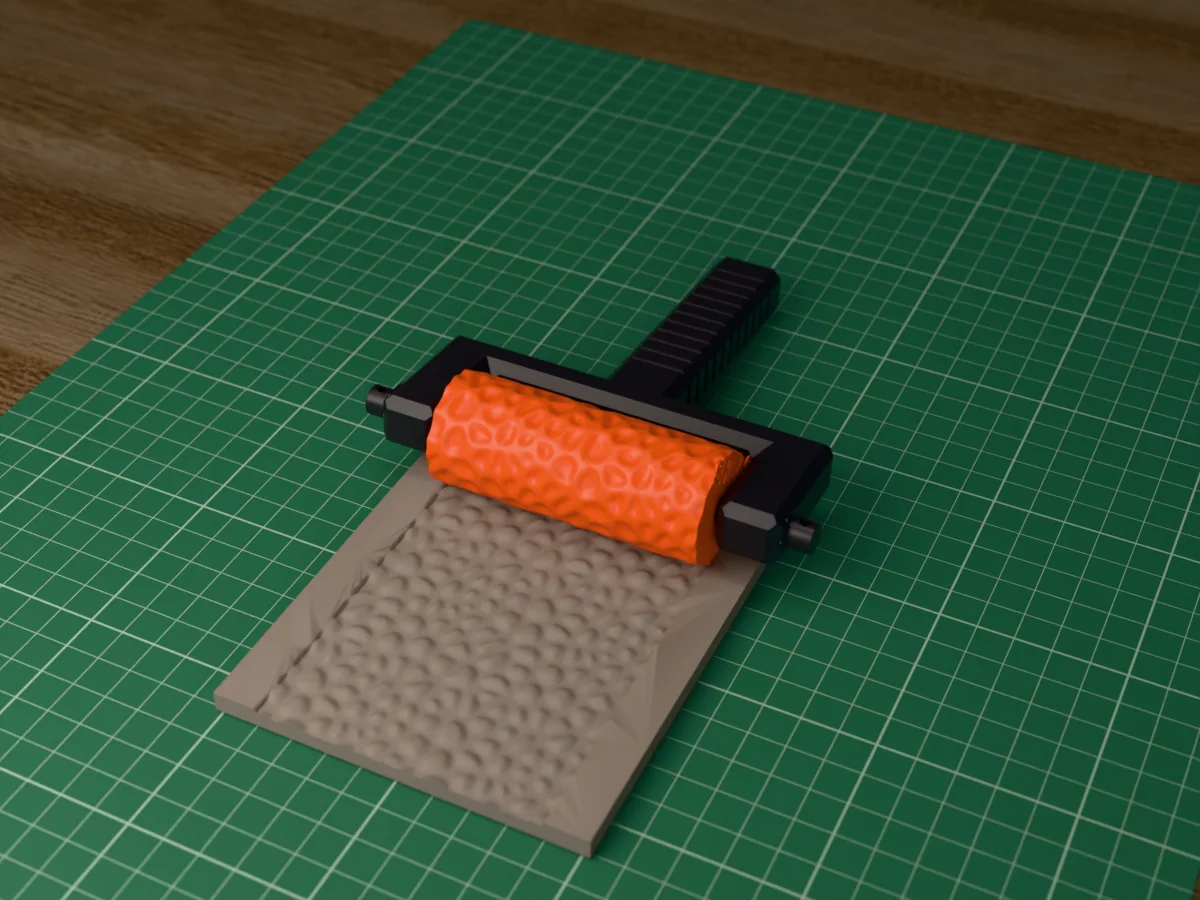
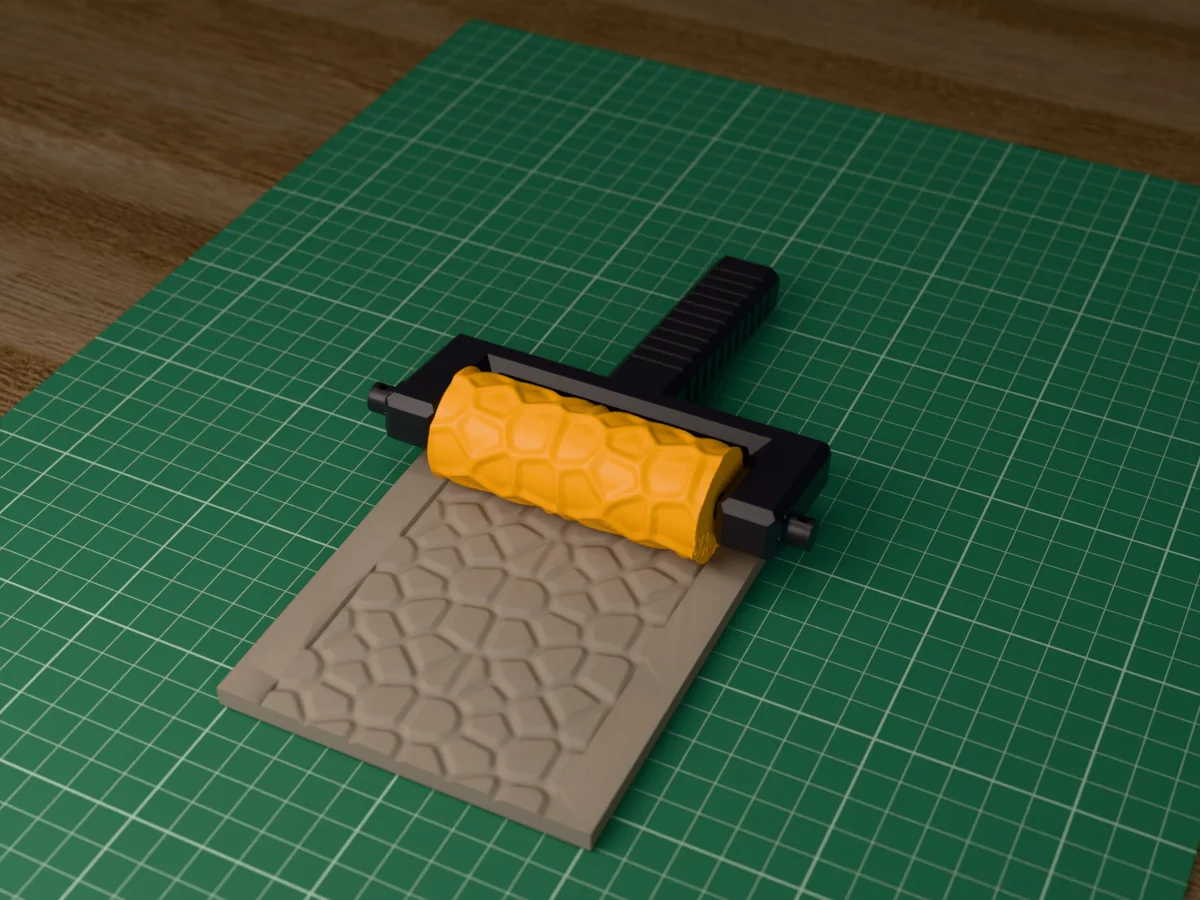
Rounded cobbles with deep joints, for tabletop terrain. Rolls a seamless cobbled street into air-dry clay, foam or polymer clay.
ClayPro early access
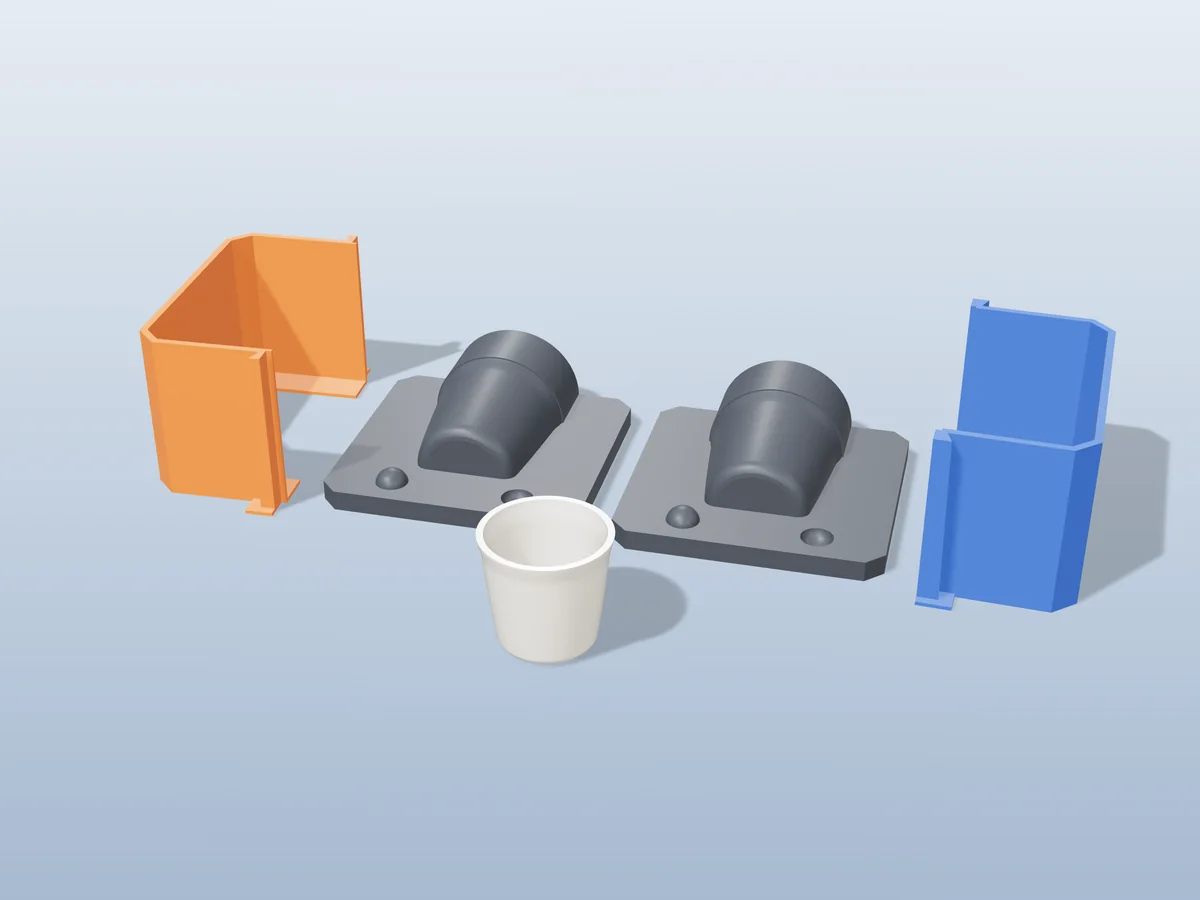
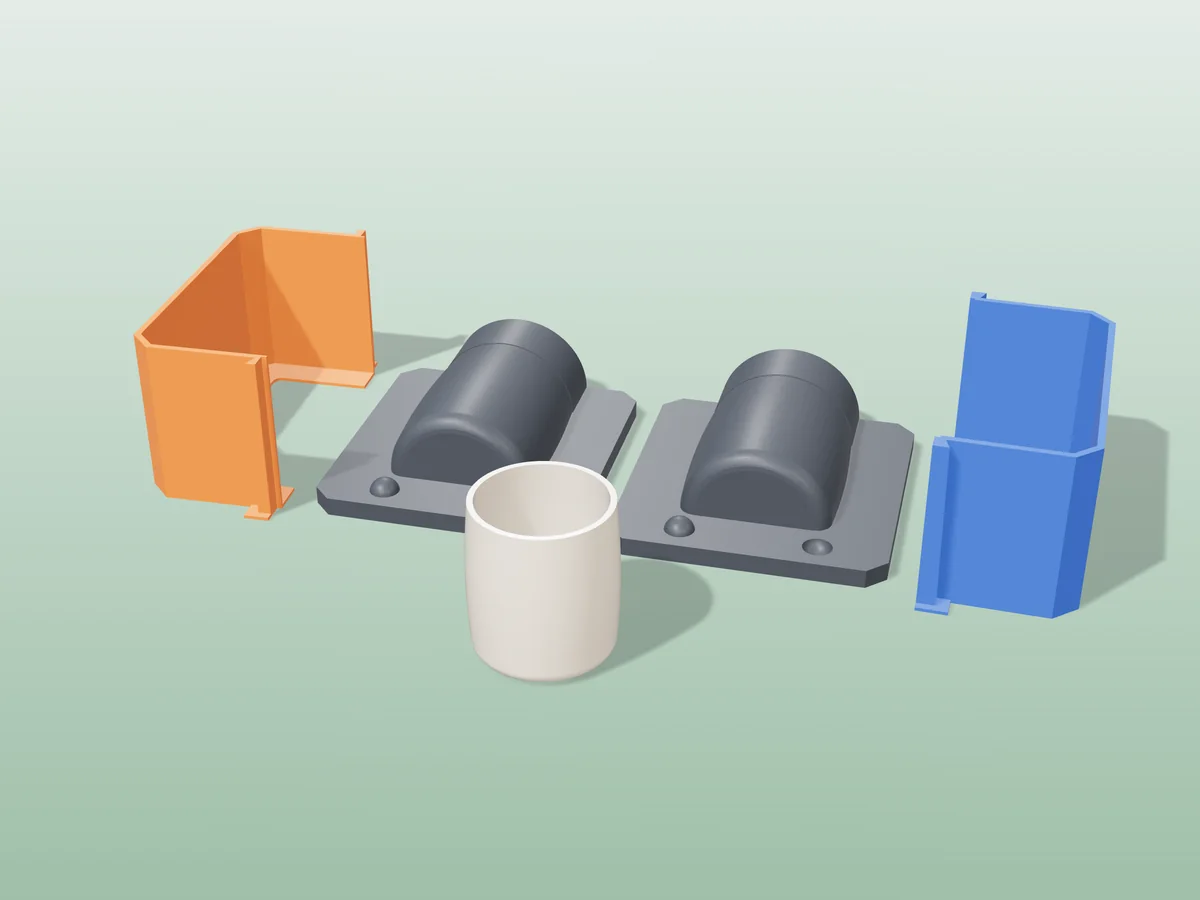
A two-piece plaster mold for slip casting a 114 ml espresso cup. Print the housings, pour the plaster, cast.
ClayPro early access
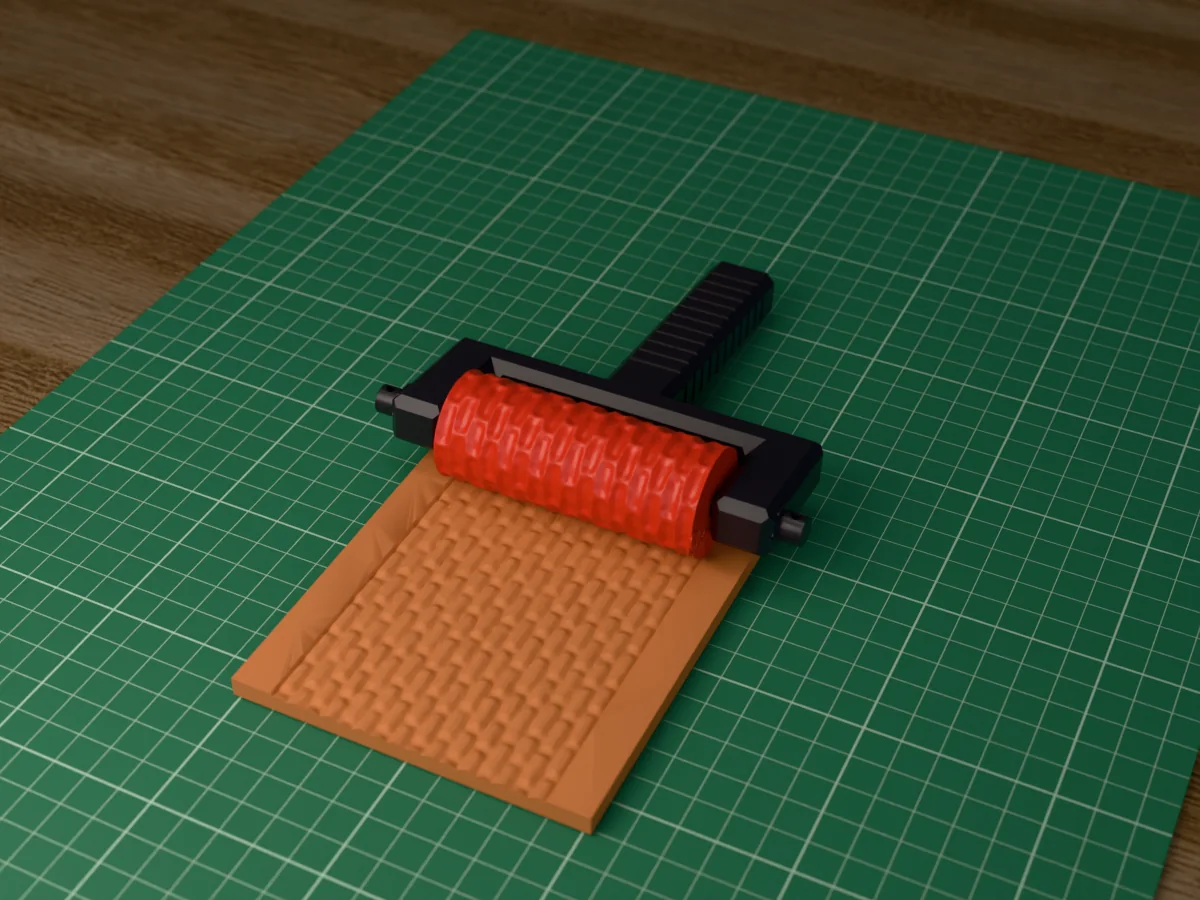
Running-bond brickwork for dungeon walls and dioramas. Old, uneven bricks with chipped corners, rolled seamlessly into clay or foam.
ClayPro early access
A two-piece plaster mold for slip casting a 365 ml straight mug body. Add your own pulled or cast handle.
ClayPro early access
Large, flat paving slabs in random shapes with wide joints. A garden path, a castle floor or a temple courtyard for tabletop terrain.
 ClayPro early access
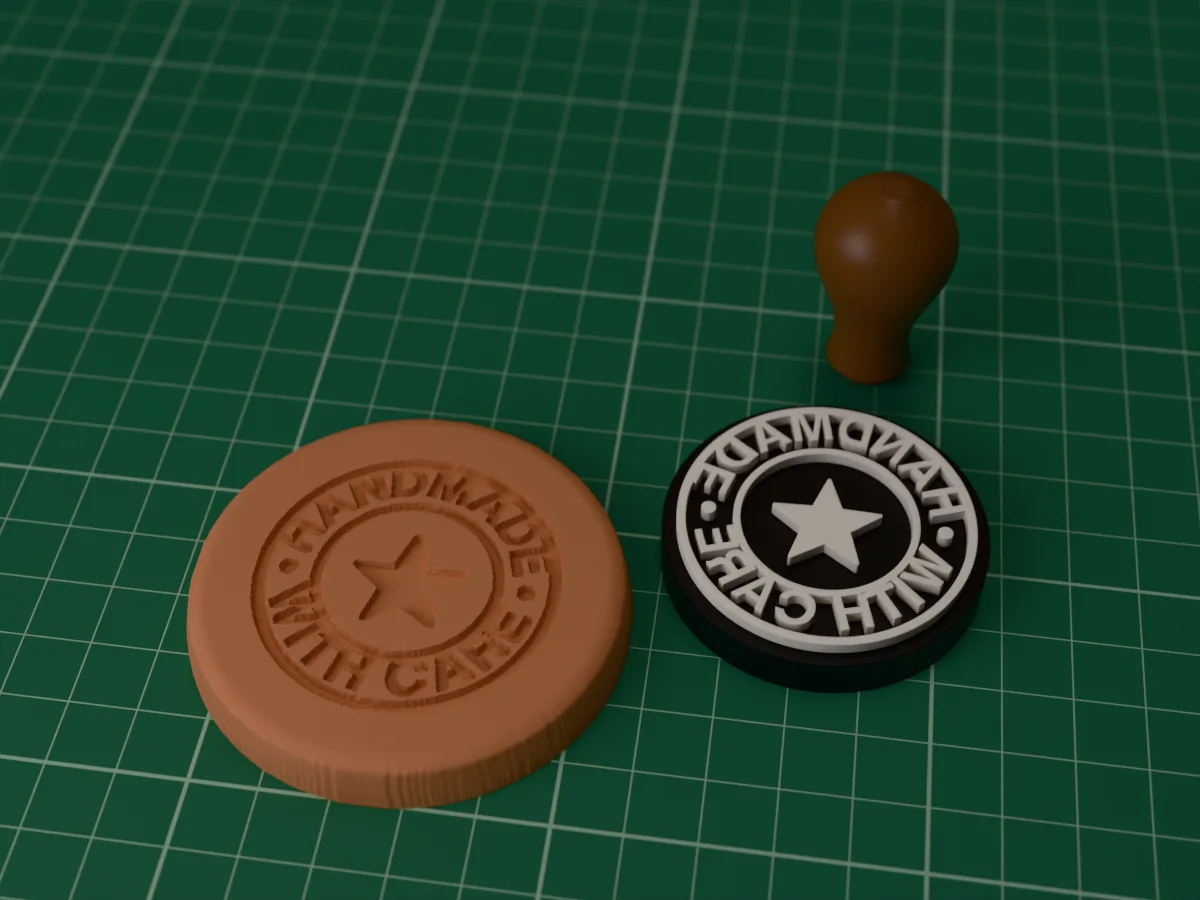
A round maker's seal: HANDMADE and WITH CARE round a star, for pottery, polymer clay and leather.
 ClayPro early access
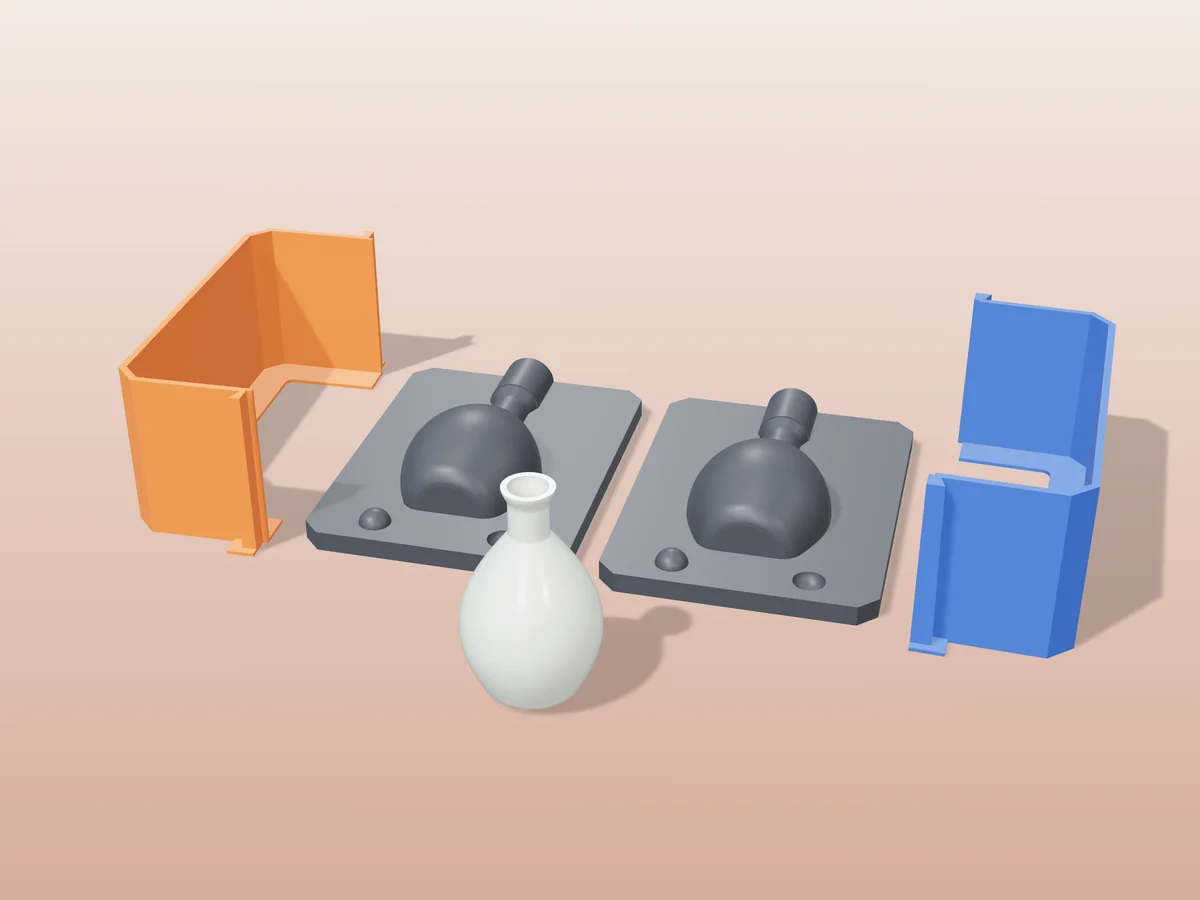
A two-piece plaster mold for slip casting a 115 mm bud vase: round bulb, long neck, rolled lip.
 ClayPro early access
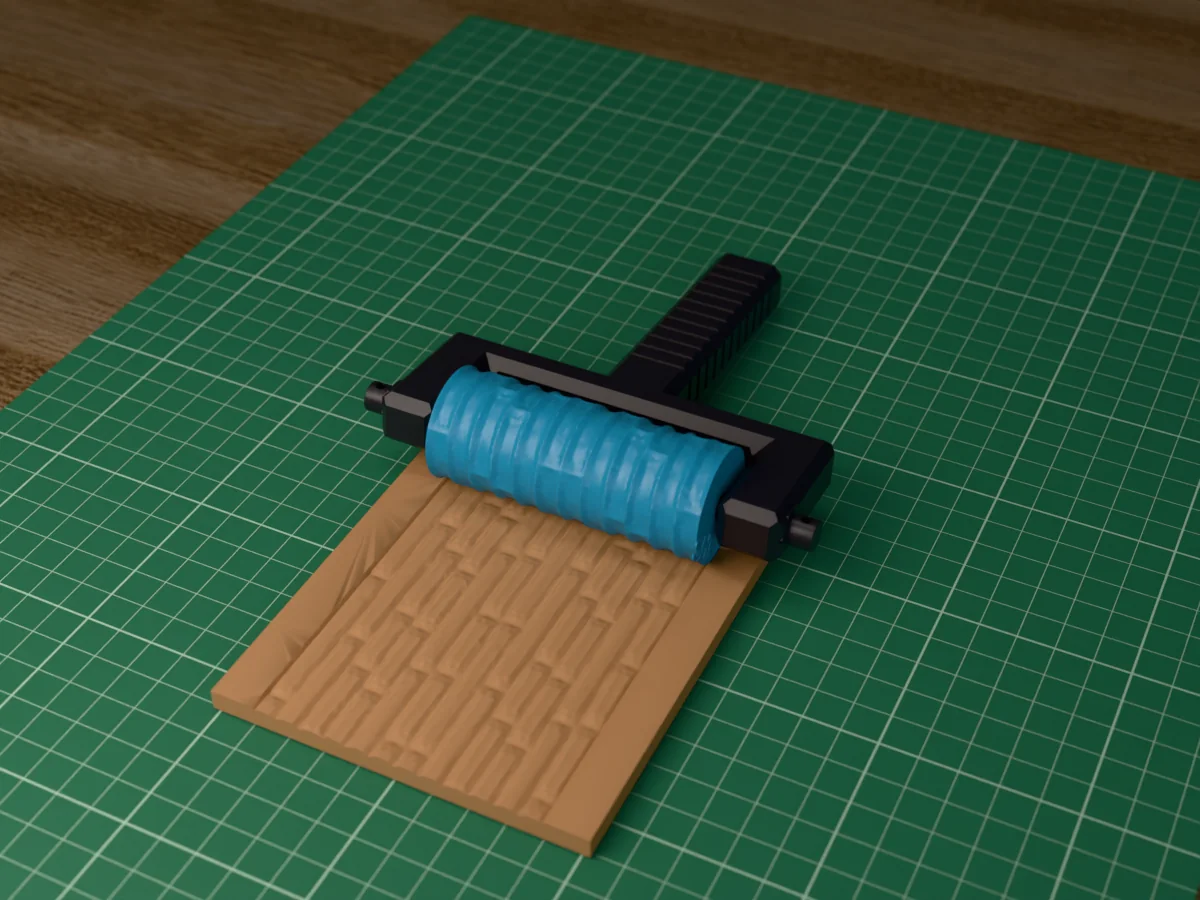
Floorboards with staggered joints, grain, knots and nail holes. Rolls tavern floors, ship decks and bridges into clay or foam.
 ClayPro early access
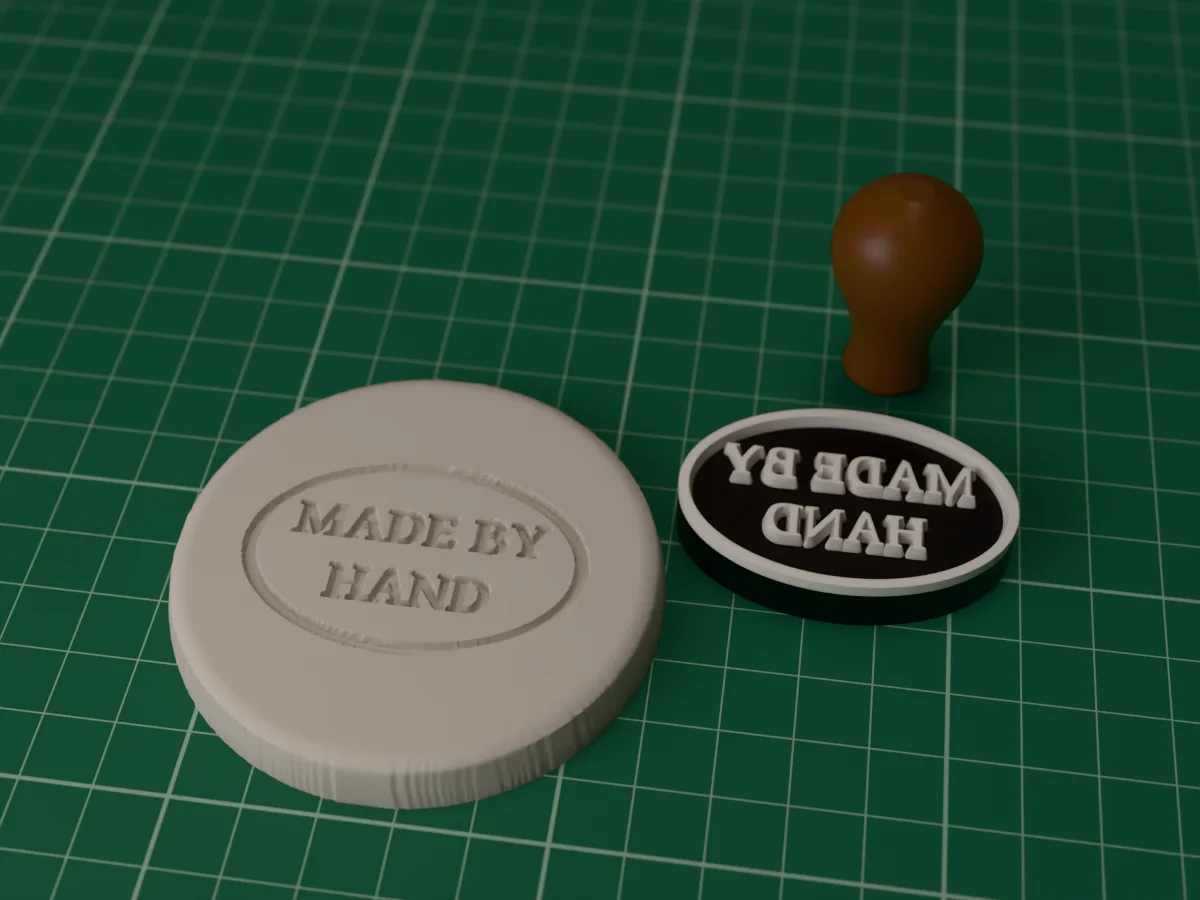
MADE BY HAND on two lines in an oval: a small stamp for pottery, polymer clay and leather tags.
 ClayPro early access
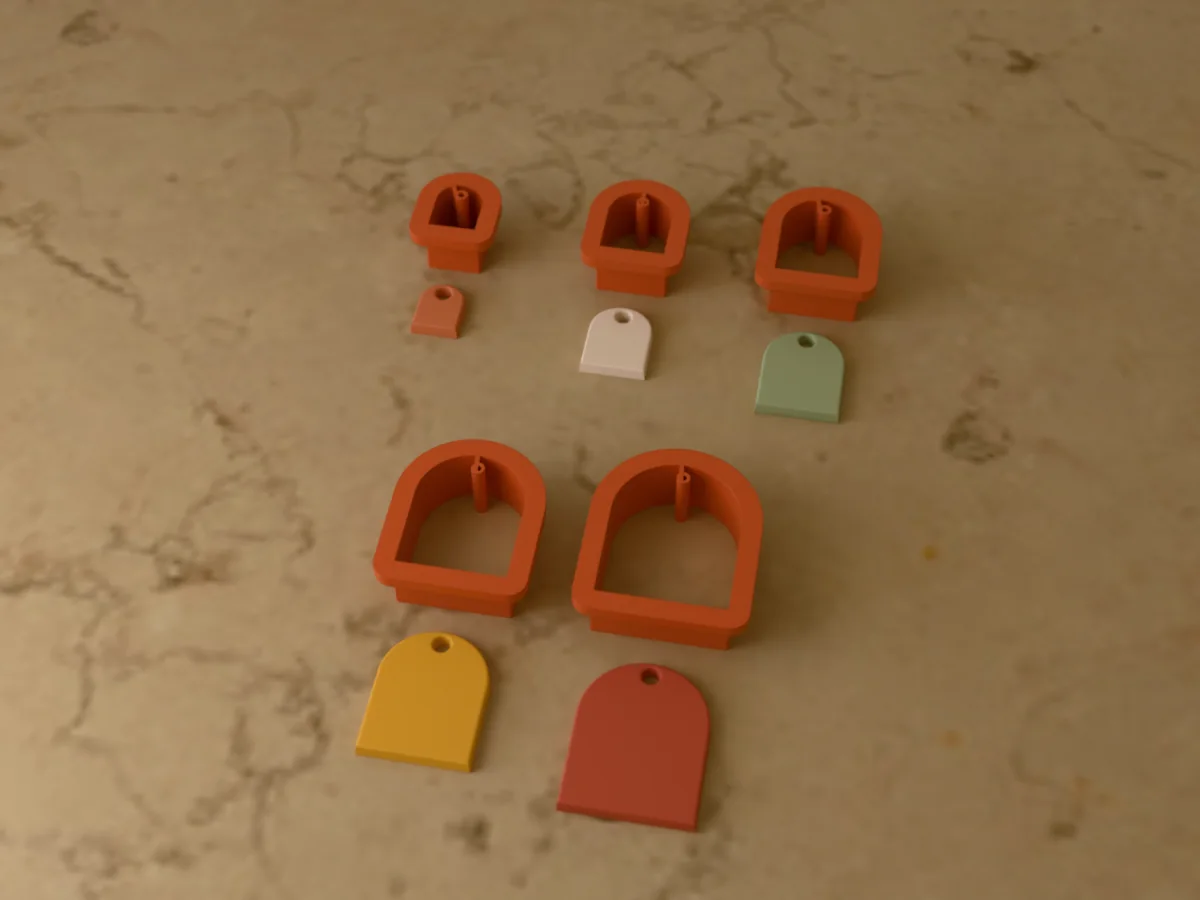
Five arch earring cutters from 15 to 35 mm for polymer clay. Each one punches its jump ring hole too.
 ClayPro early access
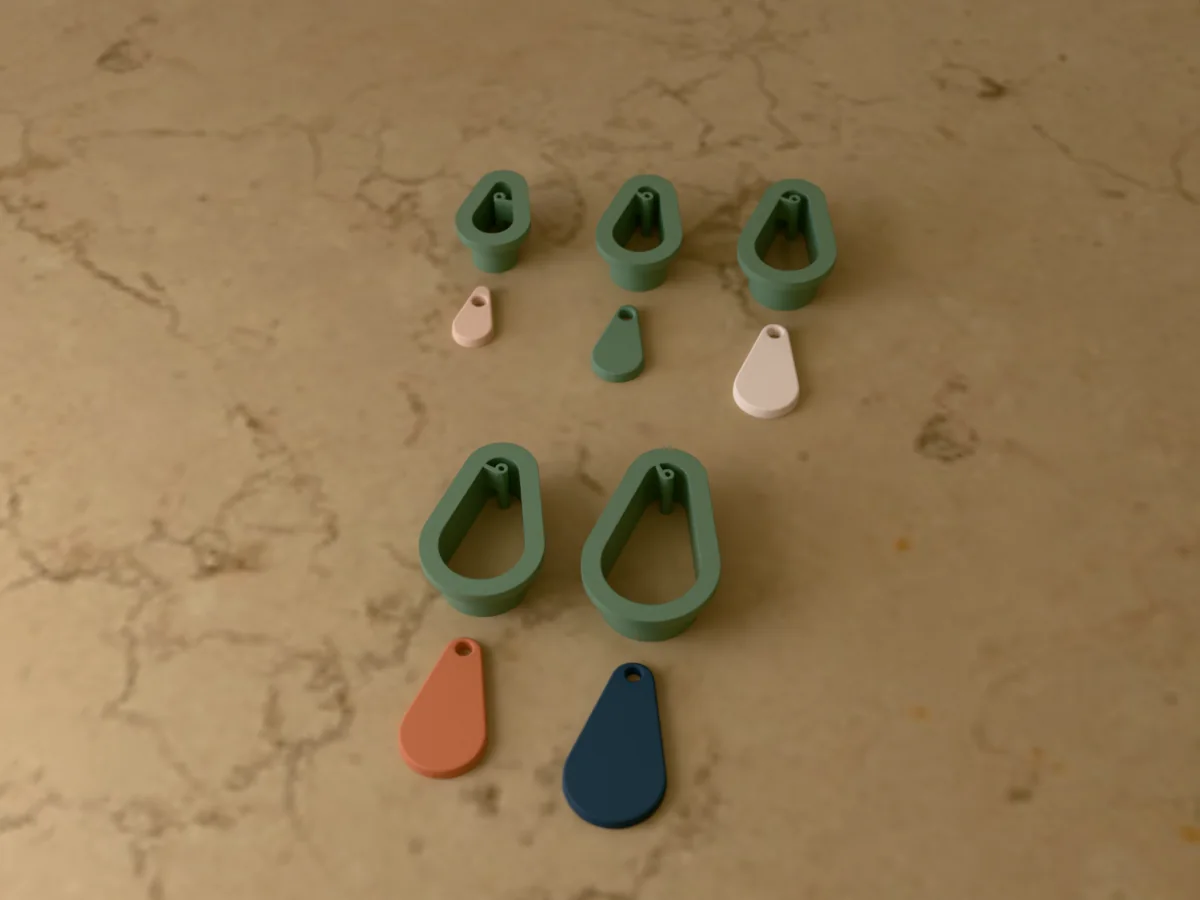
Five teardrop earring cutters, 20 to 40 mm, for polymer clay. Every cutter punches the jump ring hole.
 ClayPro early access
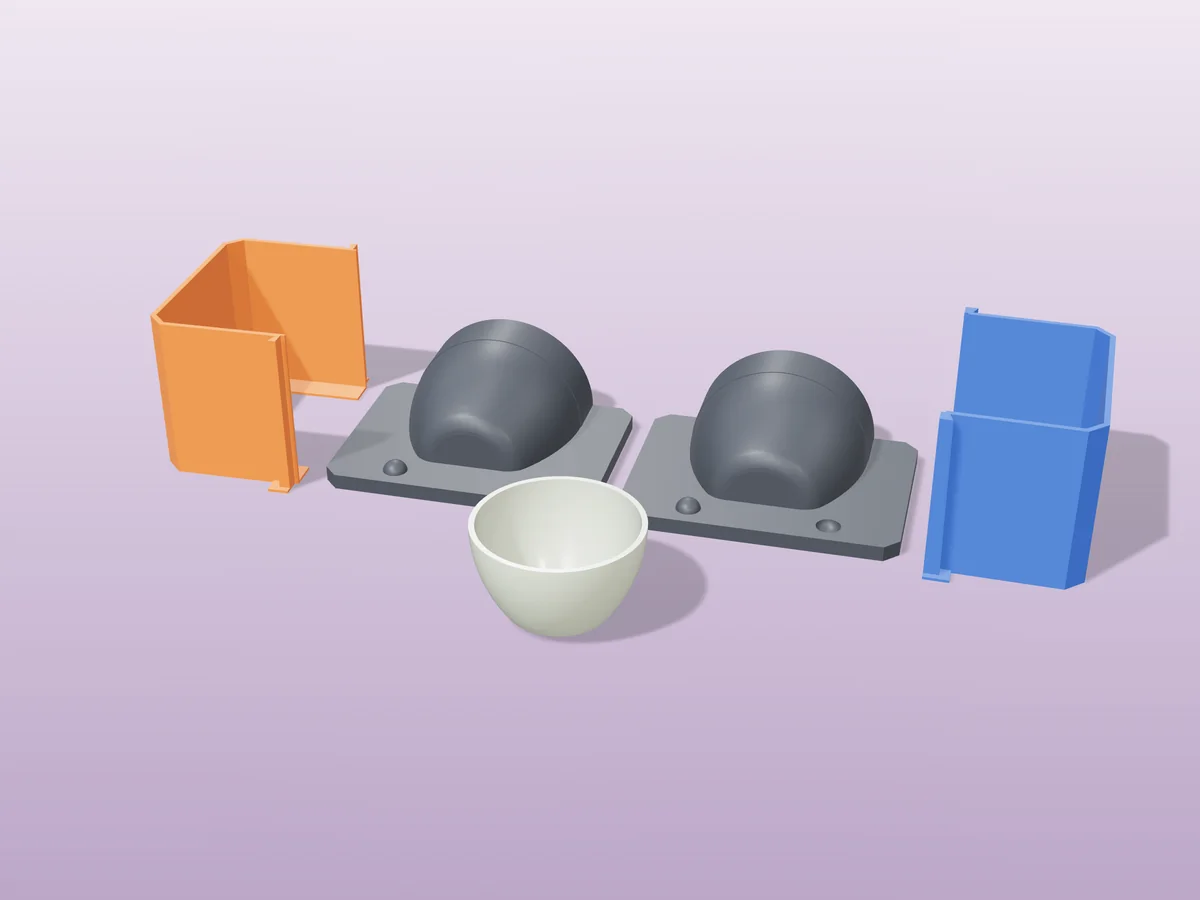
A two-piece plaster mold for slip casting a 116 mm matcha bowl (chawan) with a small foot.
 ClayPro early access
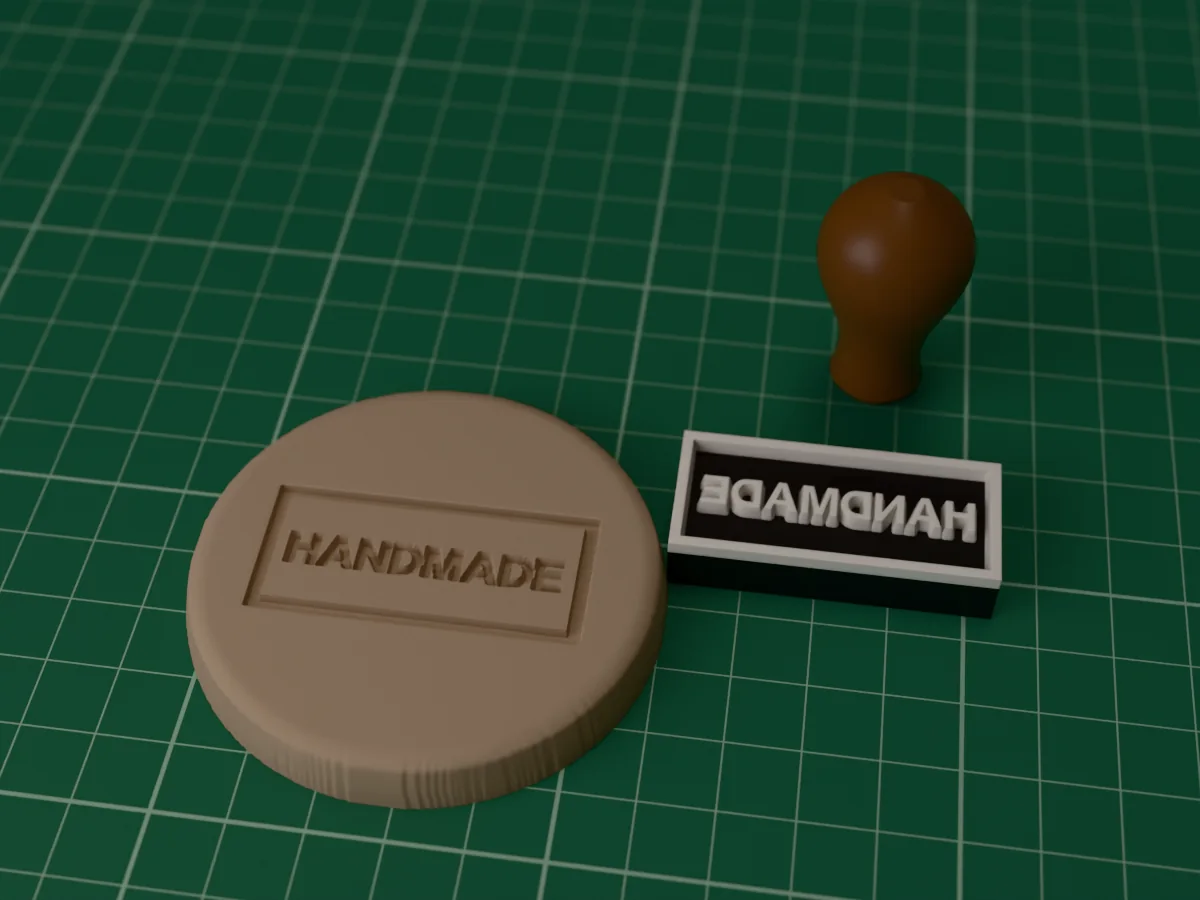
HANDMADE in bold capitals in a small bordered rectangle: the classic mark for pottery and polymer clay.
 ClayPro early access
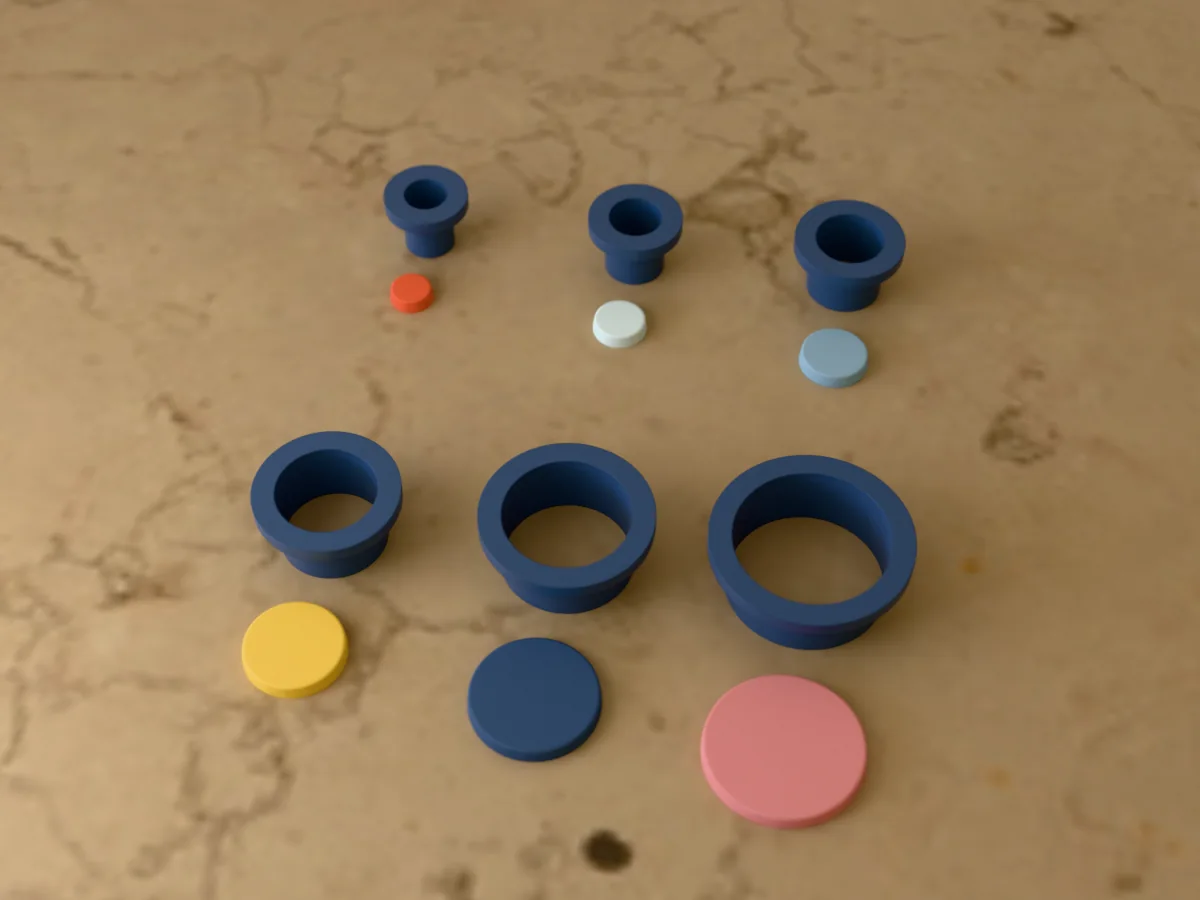
Six round polymer clay cutters, 10 to 30 mm: stud tops, connectors and round dangles in one print.
 ClayPro early access
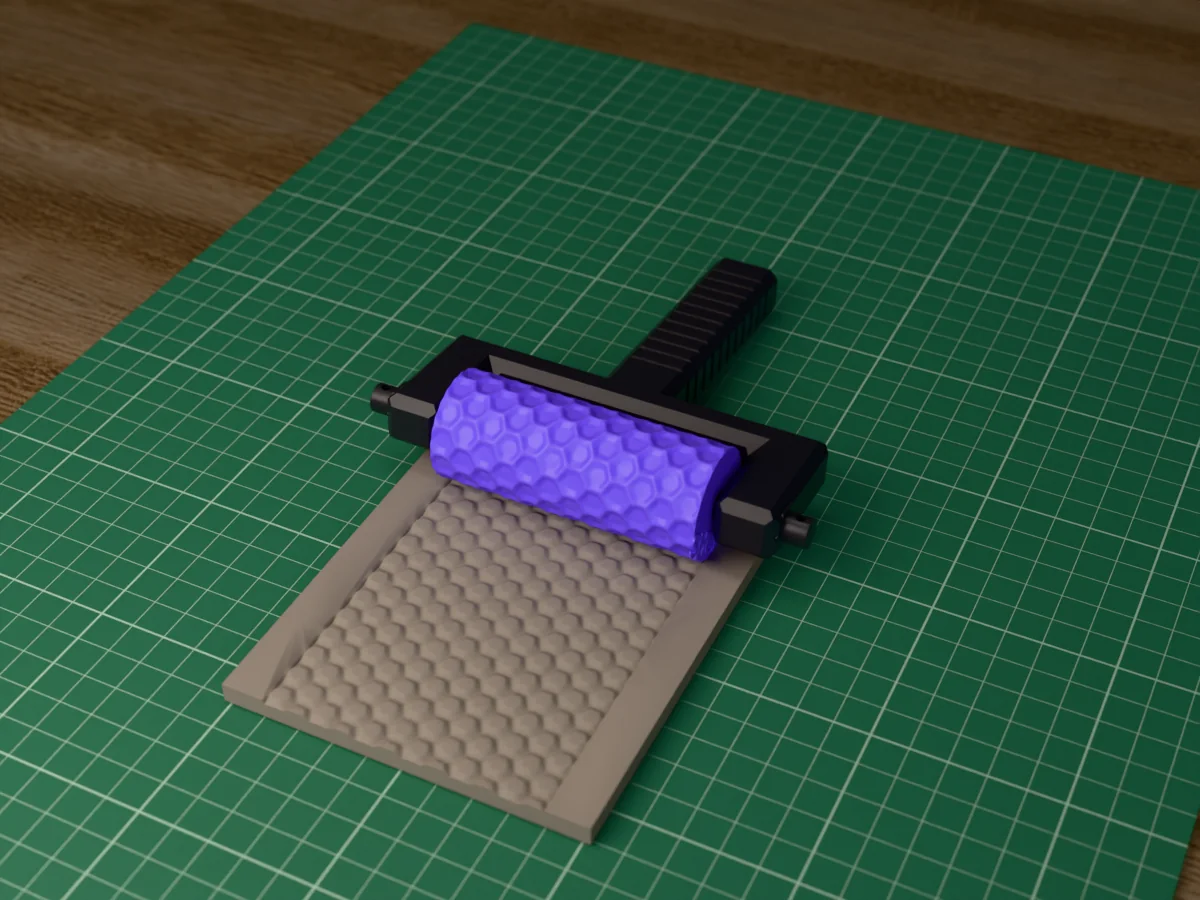
Hexagonal floor tiles with bevelled edges and grout lines. For sci-fi and fantasy floors, miniature bases and pottery.
 ClayPro early access
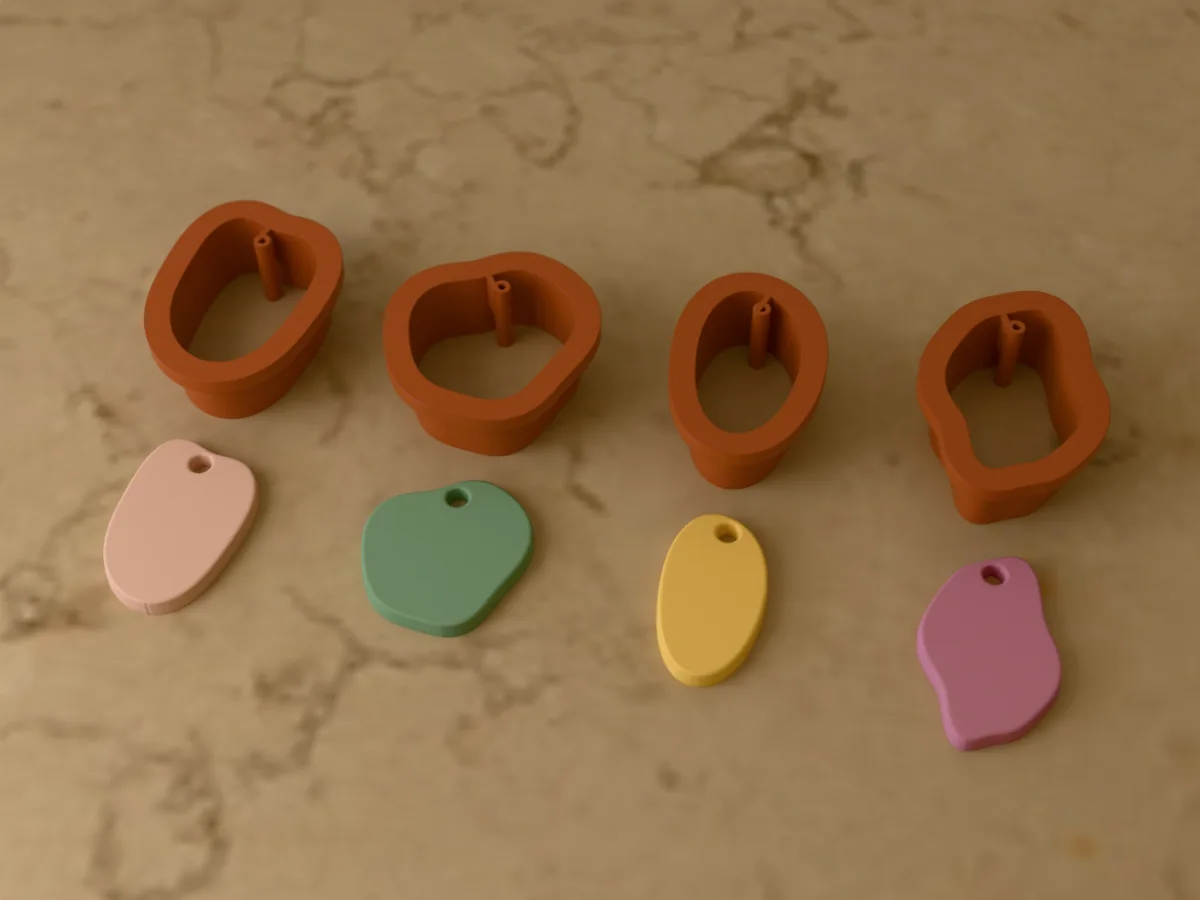
Four organic earring cutters for polymer clay: a drop, a pebble, a bean and a wavy drop, 30 to 36 mm.
 ClayPro early access
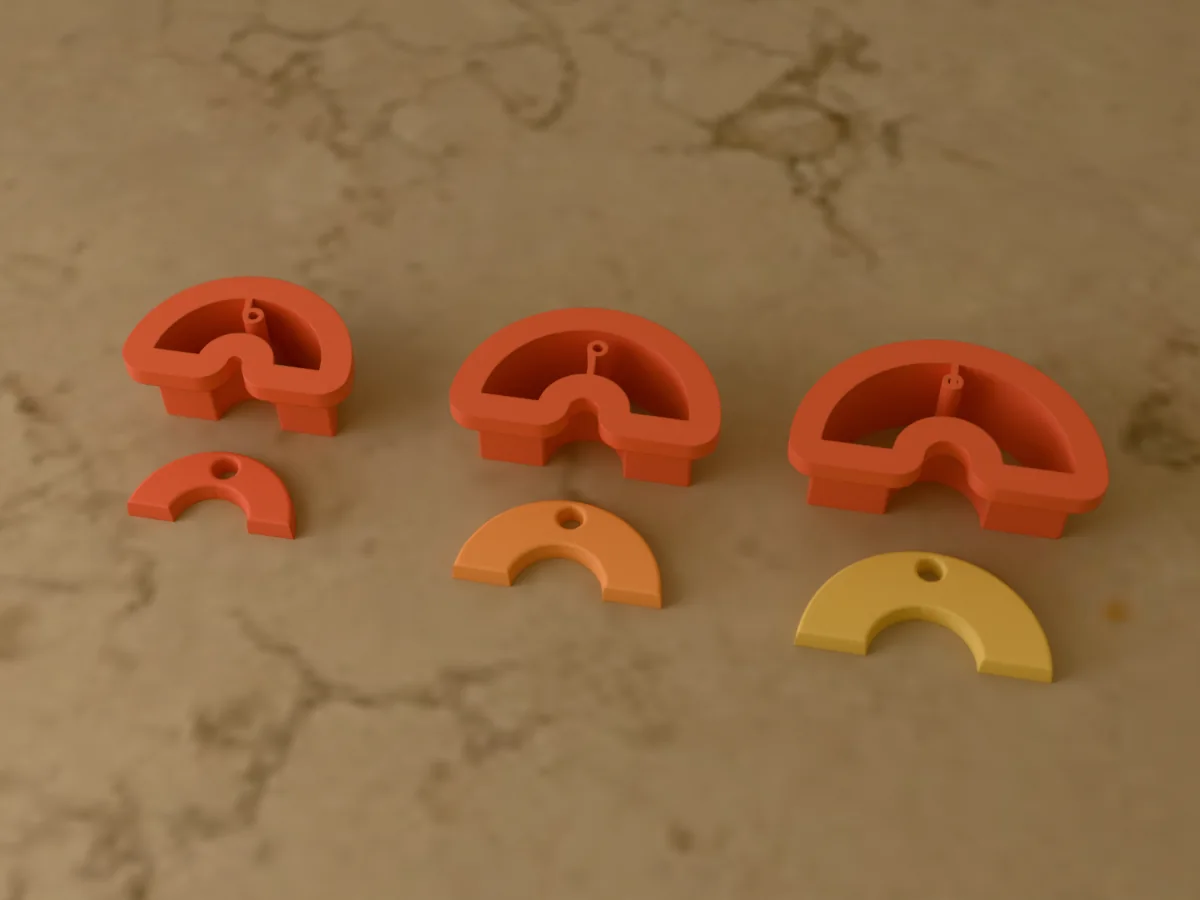
Three rainbow earring cutters, 25, 30 and 35 mm wide, for striped polymer clay rainbows.
 ClayPro early access
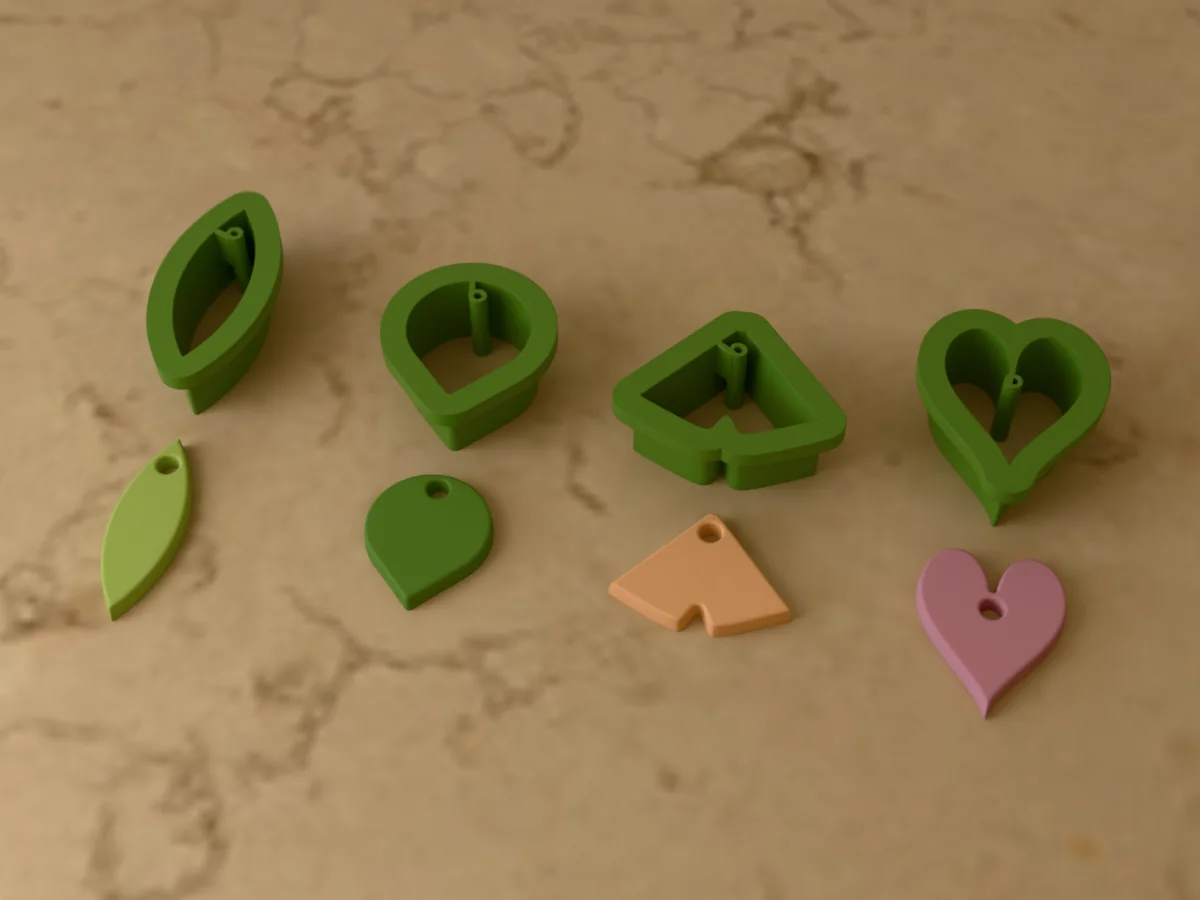
Four leaf earring cutters for polymer clay: olive, eucalyptus, ginkgo and a heart-shaped leaf.
 ClayPro early access
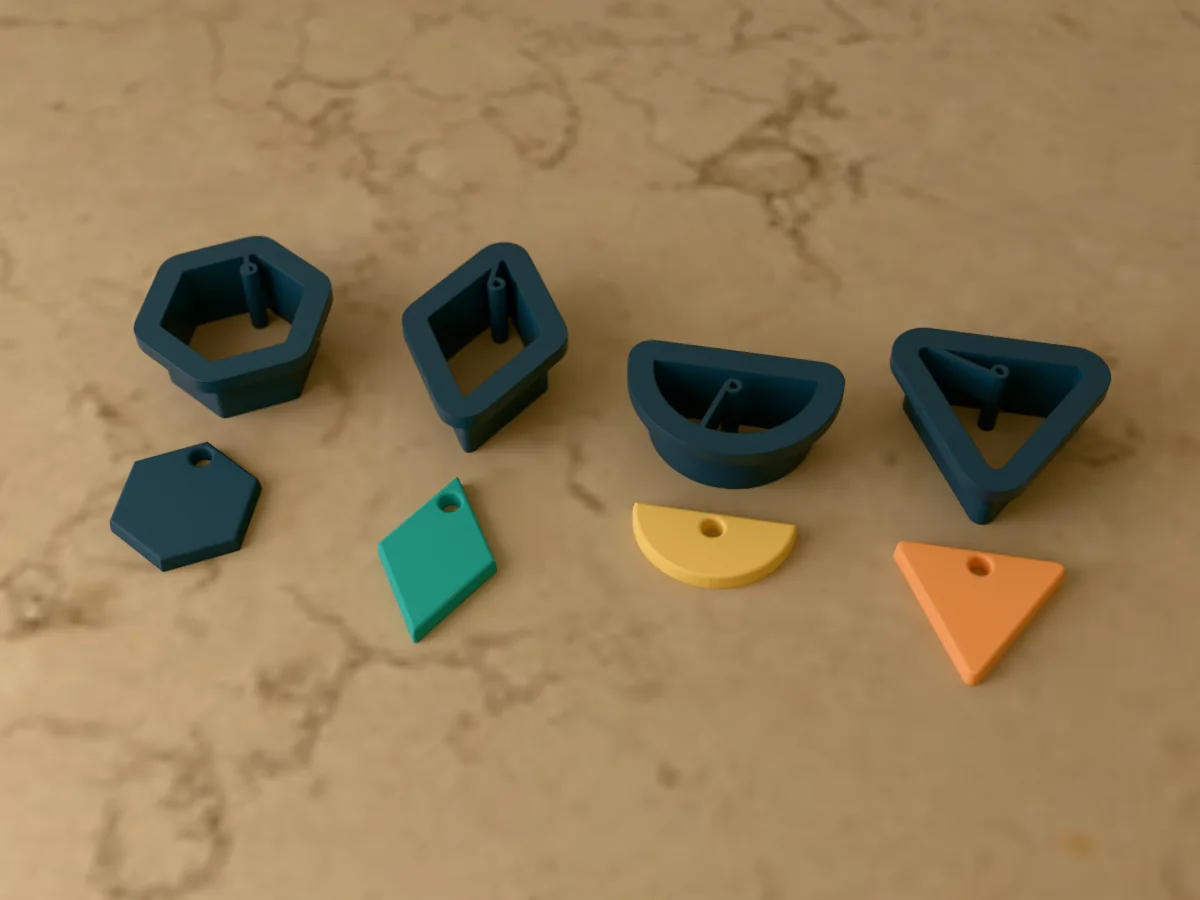
Four geometric earring cutters for polymer clay: hexagon, diamond, half circle and triangle.
 ClayPro early access
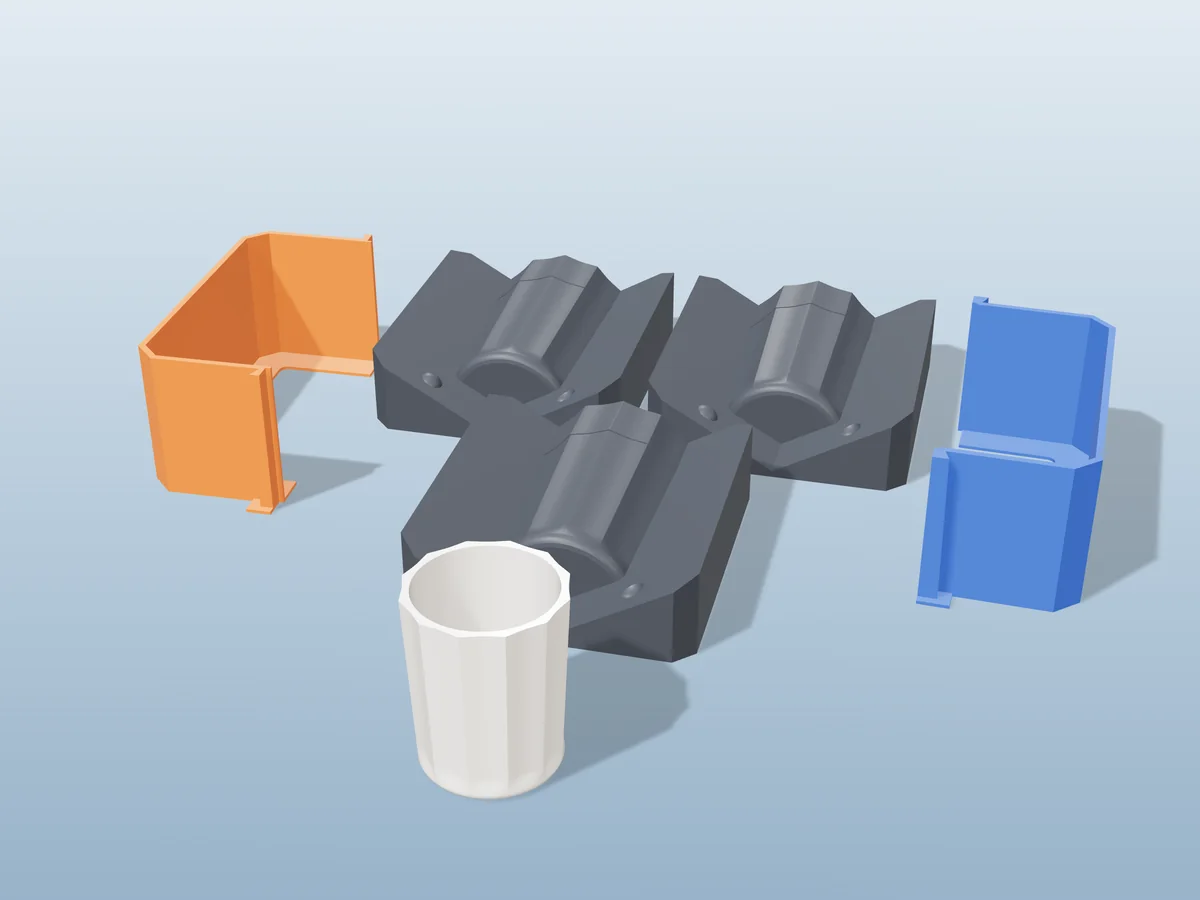
A three-piece plaster mold for slip casting a fluted 323 ml tumbler with twelve crisp flutes.
 ClayPro early access
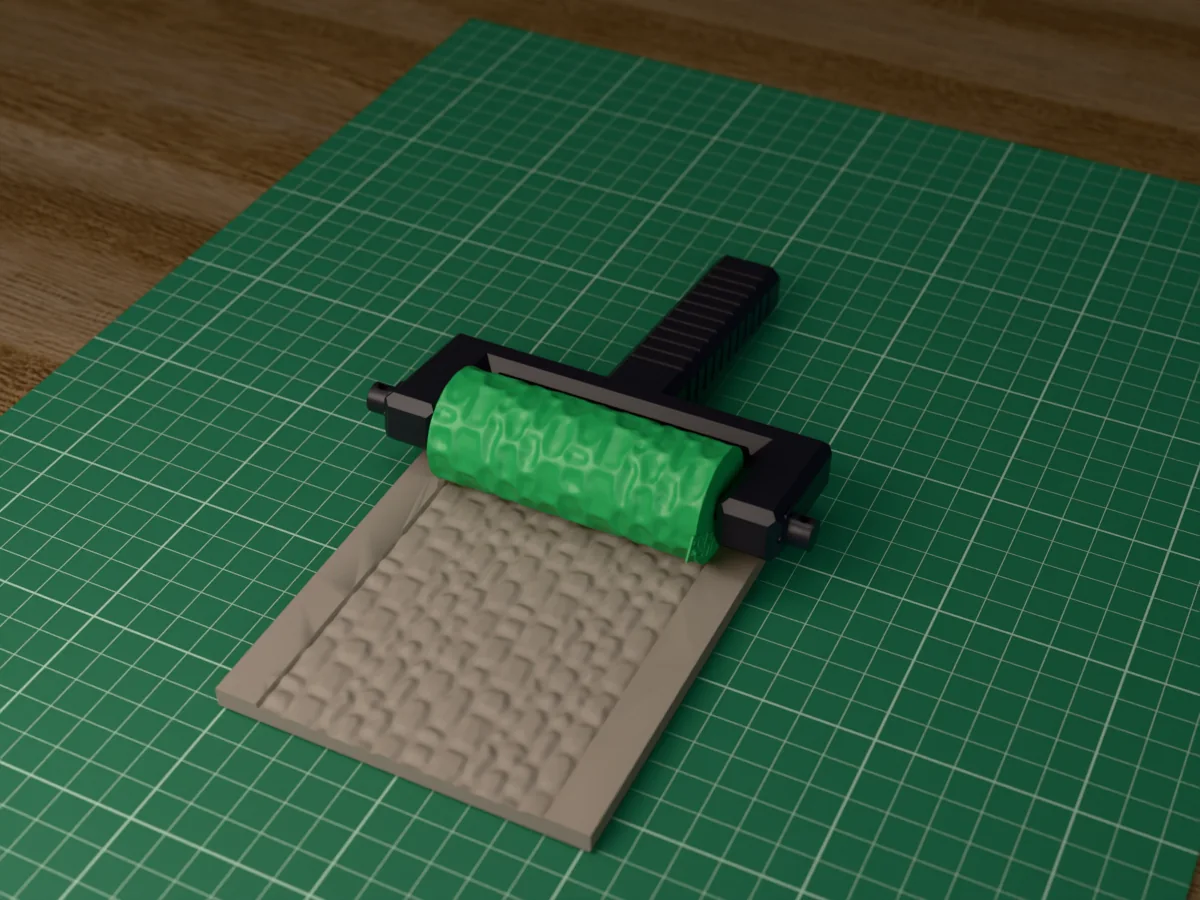
Rough coursed stone for castle walls, ruins and dungeon terrain. Uneven blocks with bulging faces and wandering joints.
 ClayPro early access
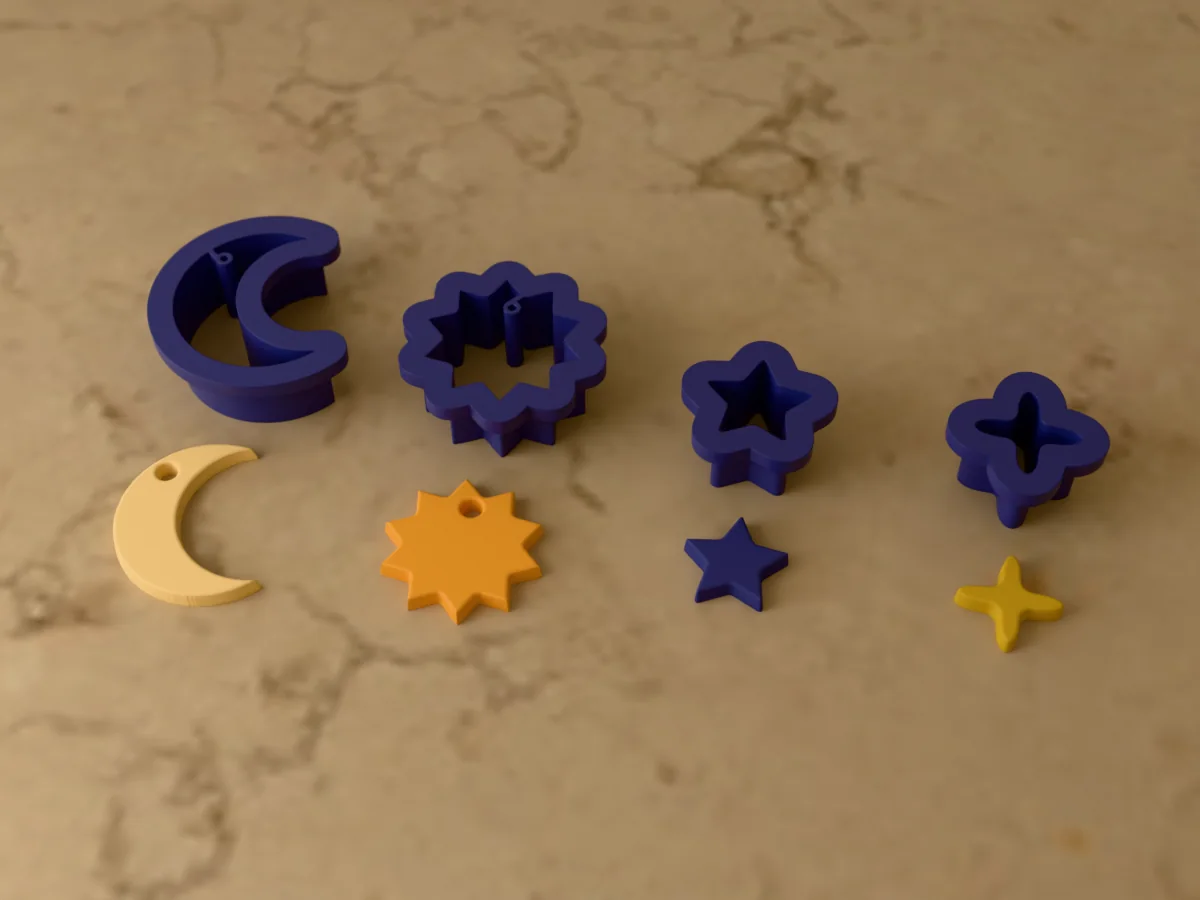
A celestial earring cutter set for polymer clay: a crescent moon, a sun, a star and a sparkle.
 ClayPro early access
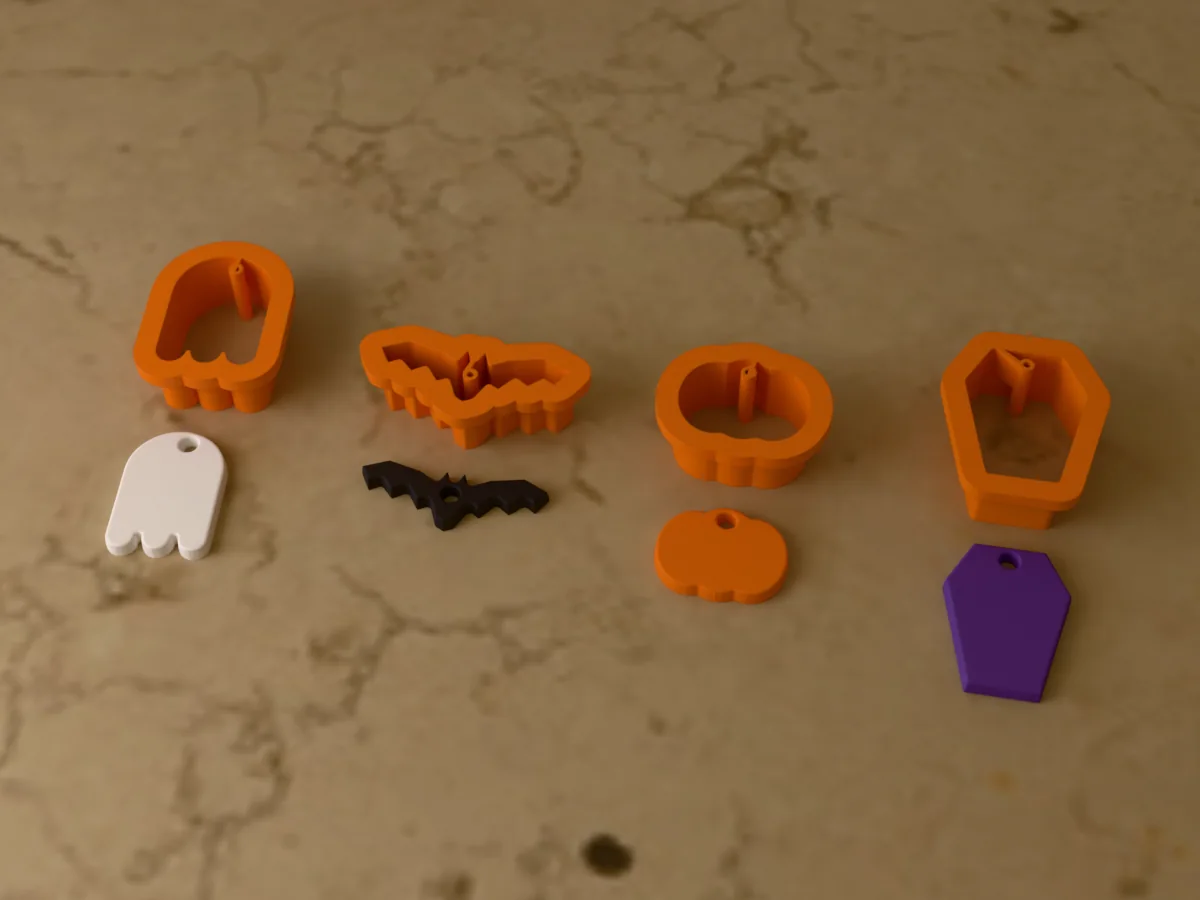
Four Halloween earring cutters for polymer clay: a ghost, a bat, a pumpkin and a coffin.
 ClayPro early access
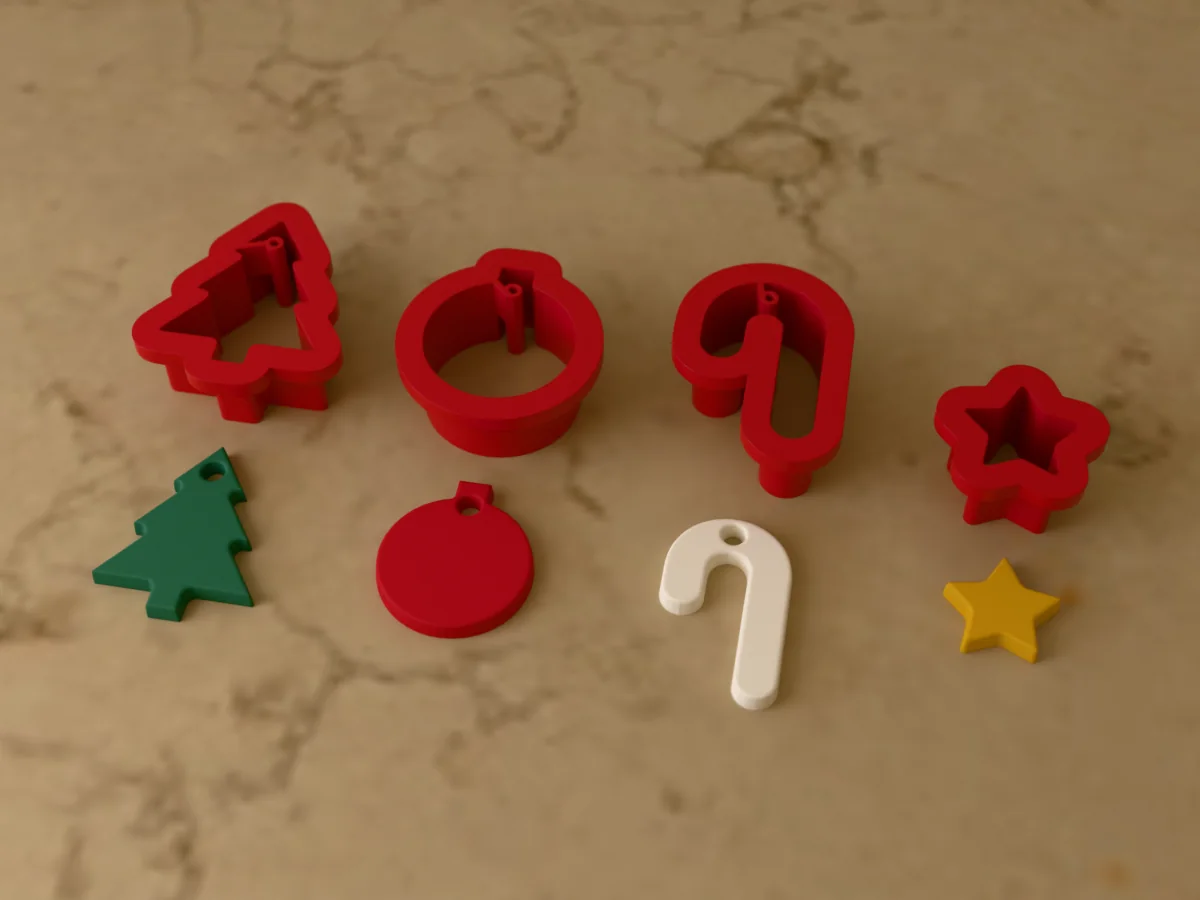
Four Christmas earring cutters for polymer clay: a tree, a bauble, a candy cane and a star stud.
 ClayPro early access
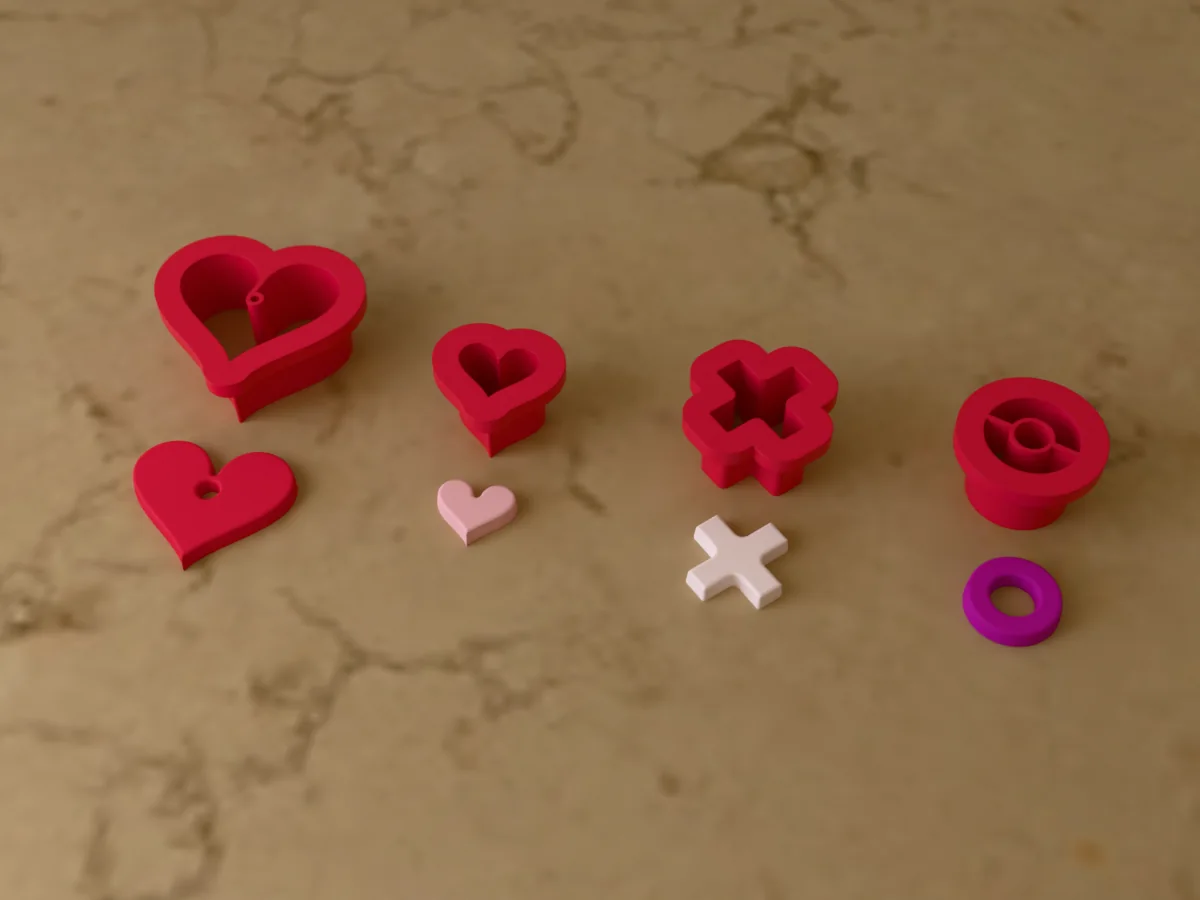
Four Valentine earring cutters for polymer clay: a heart dangle, a heart stud, an X and an O.
 ClayPro early access
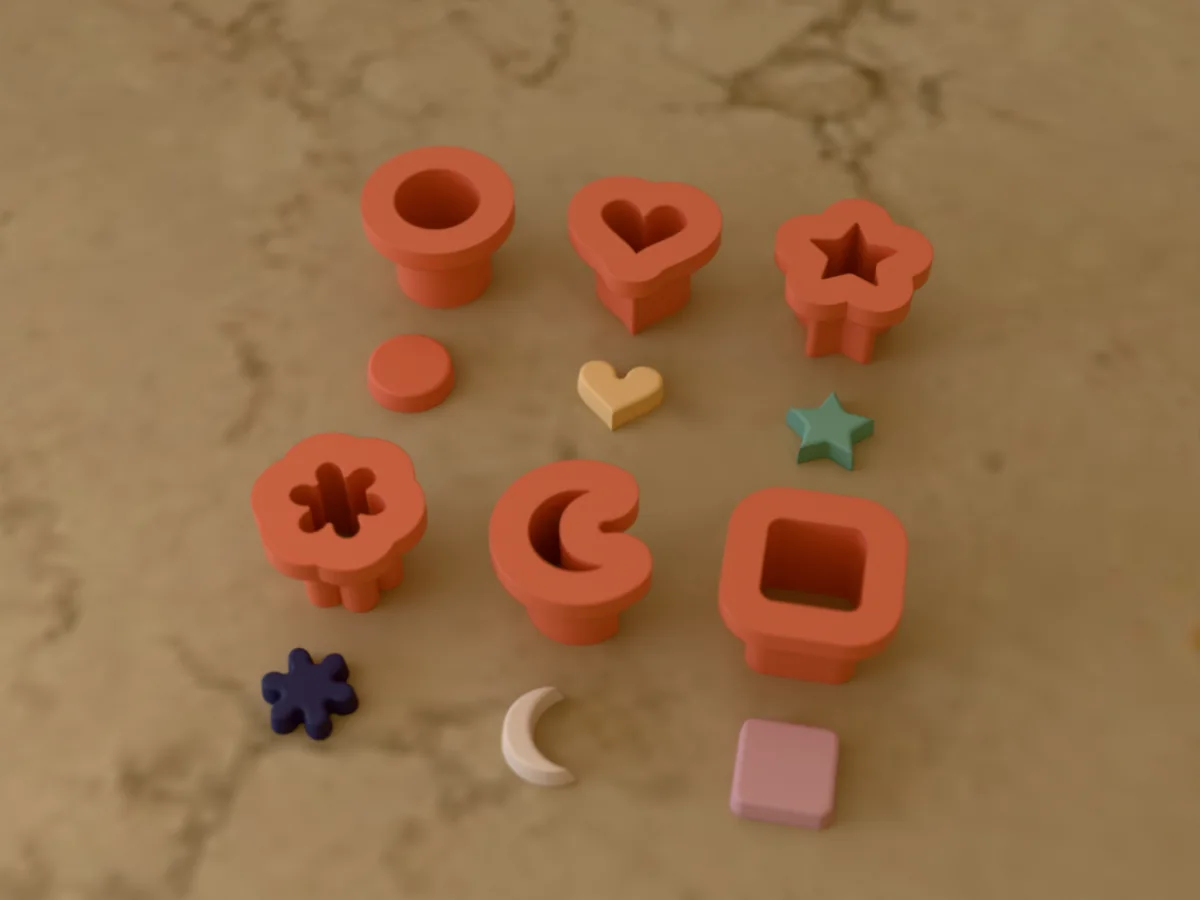
Six 12 mm stud earring cutters for polymer clay: circle, heart, star, flower, moon and square.
 ClayPro early access
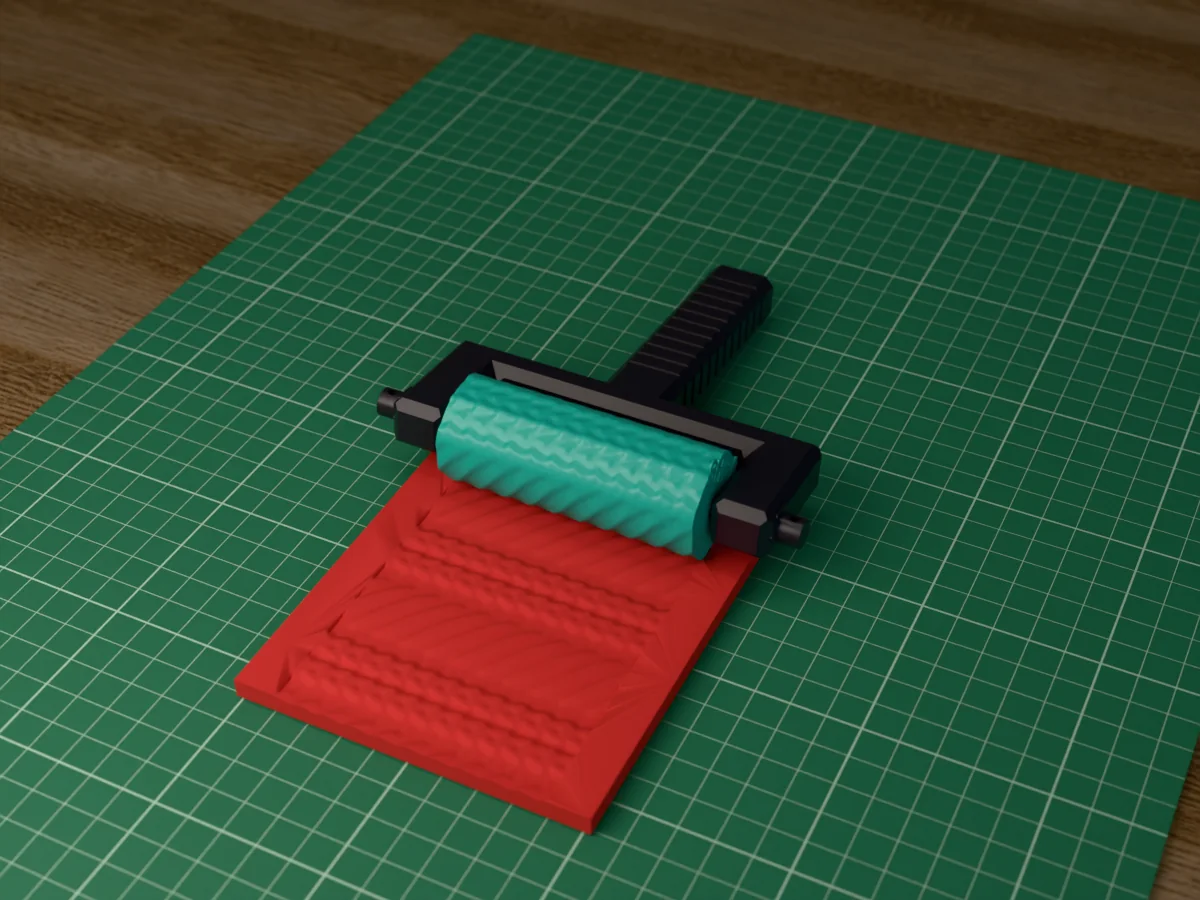
Cable knit sweater texture for fondant, clay and pottery. A rope cable between columns of knit stitches, rolled seamlessly.
 ClayPro early access
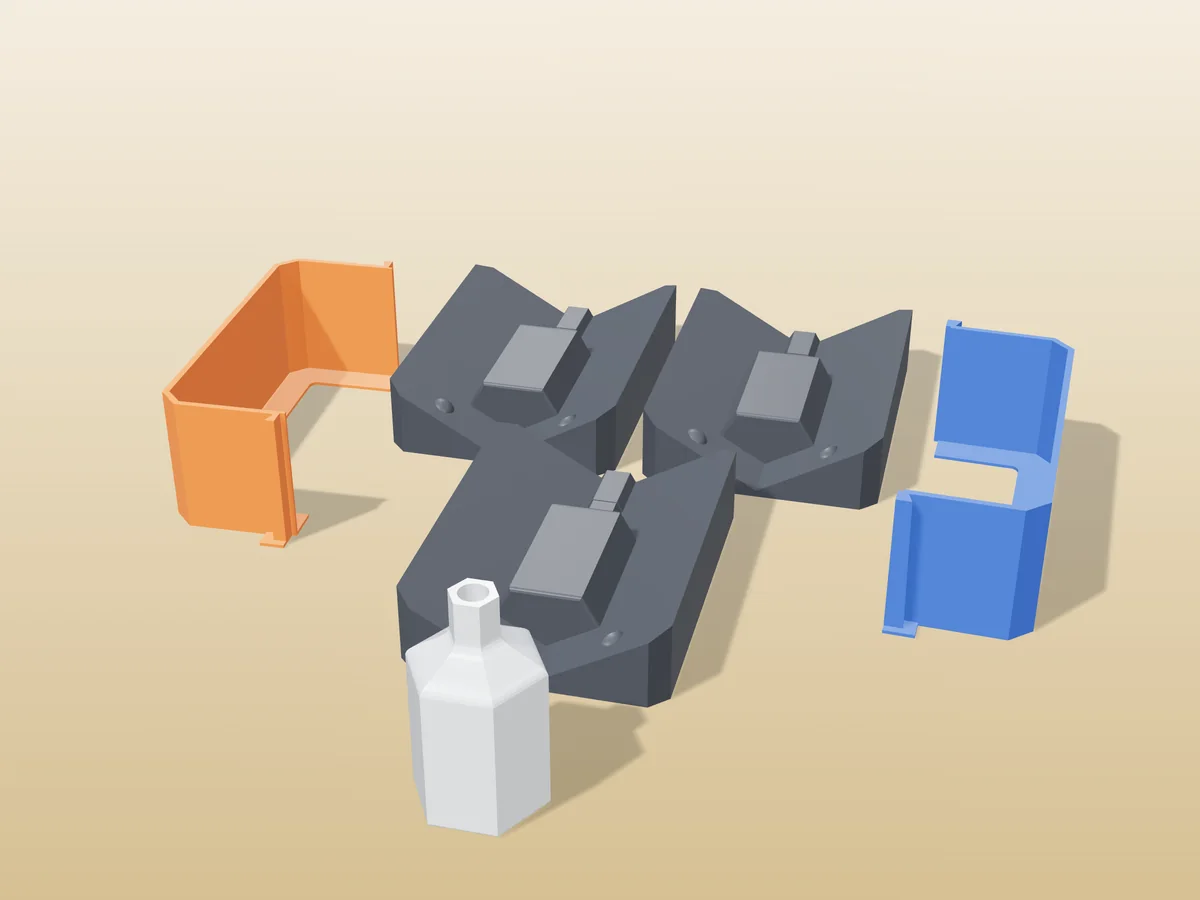
A three-piece plaster mold for slip casting a hexagonal bottle vase: sloped shoulder, hex neck.
 ClayPro early access
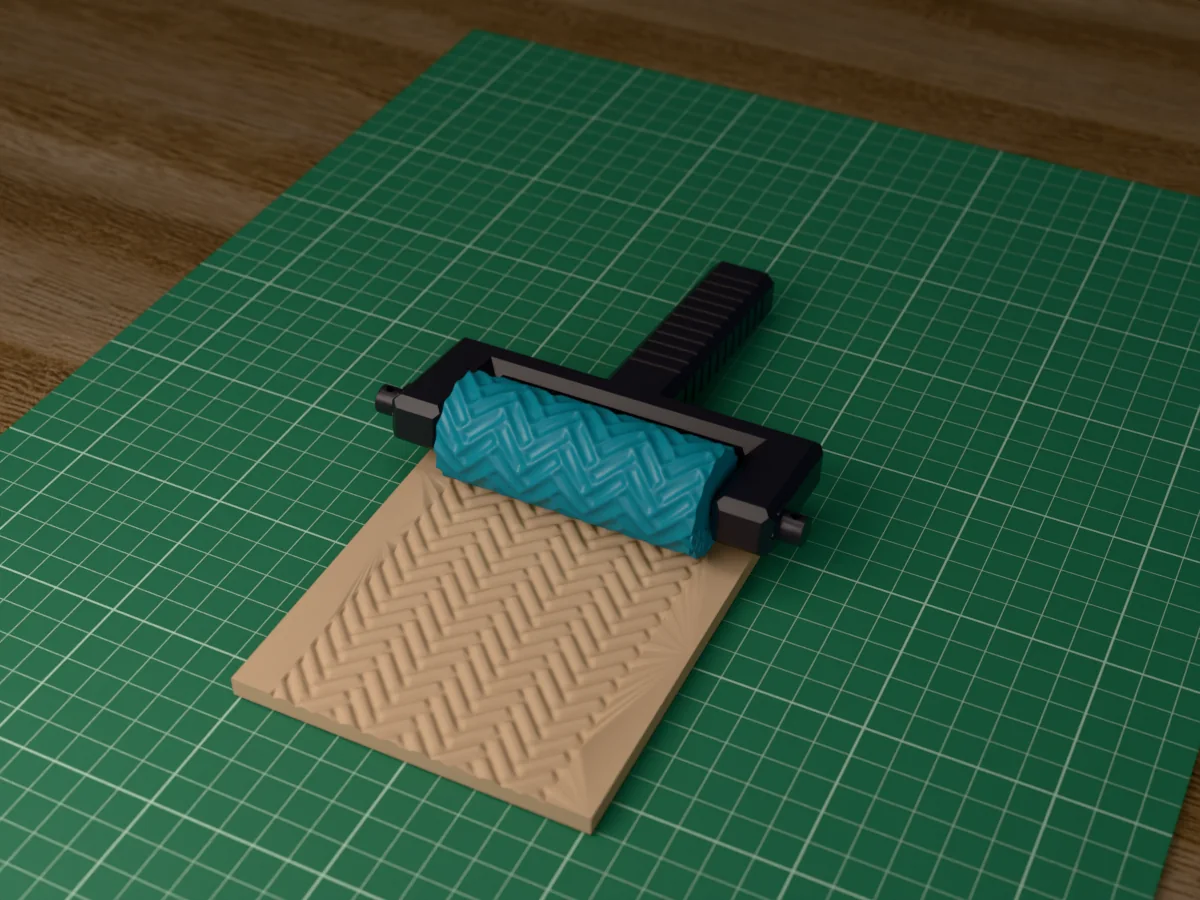
Classic herringbone for pottery, polymer clay and terrain. Blocks three times as long as they are wide, in a zigzag like a parquet floor.
 ClayPro early access
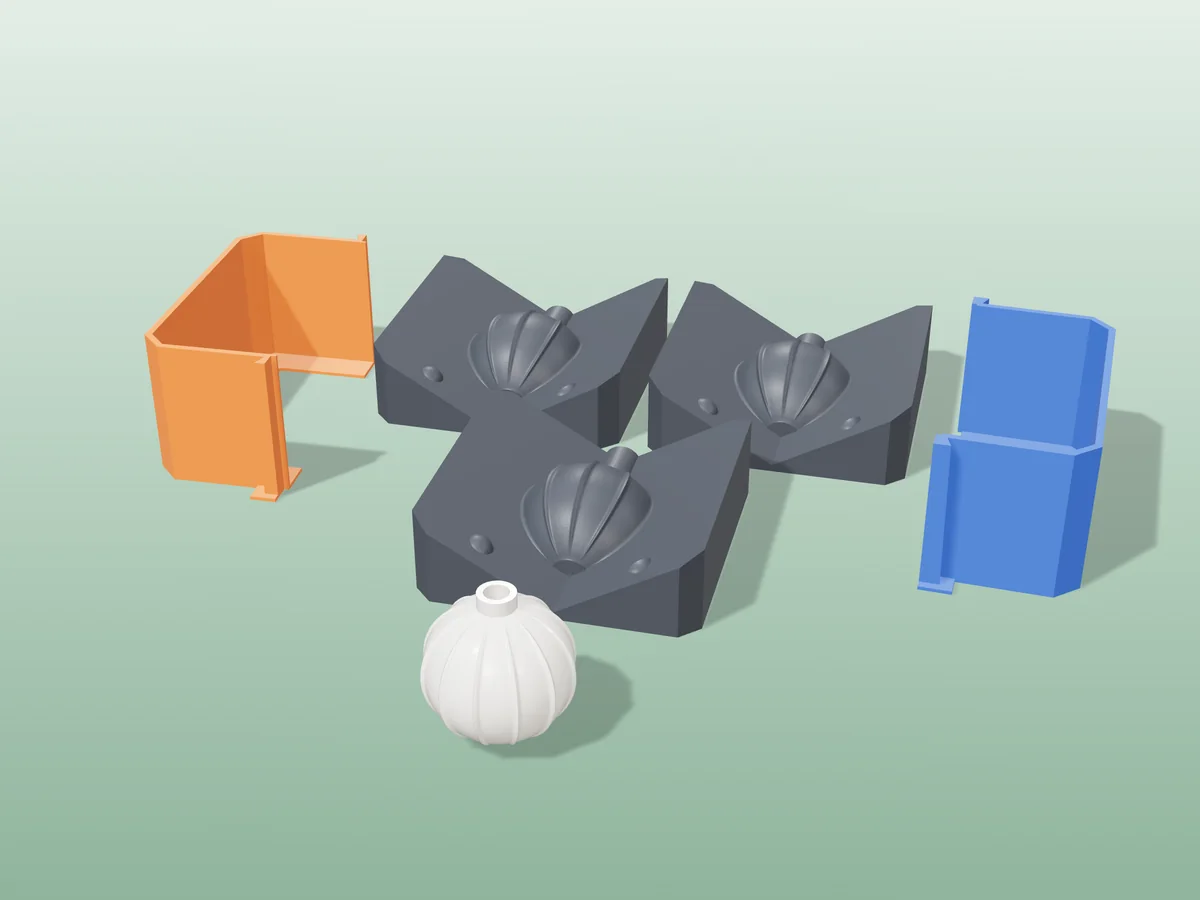
A three-piece plaster mold for slip casting a ribbed 72 mm Christmas bauble with its hanging neck.
 ClayPro early access
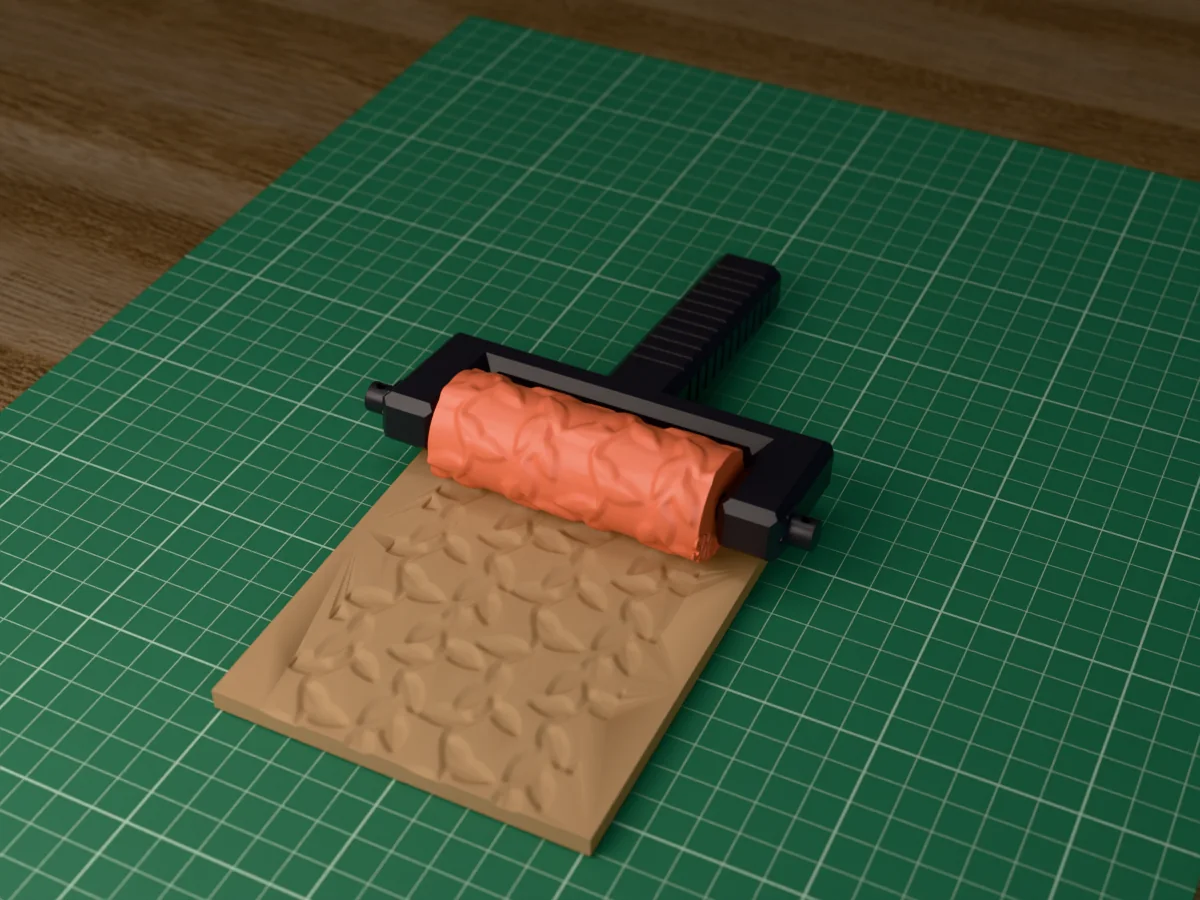
Trailing vines with pressed leaves, for pottery and polymer clay. Every leaf shows its veins, like a real leaf pressed into the clay.
 ClayPro early access
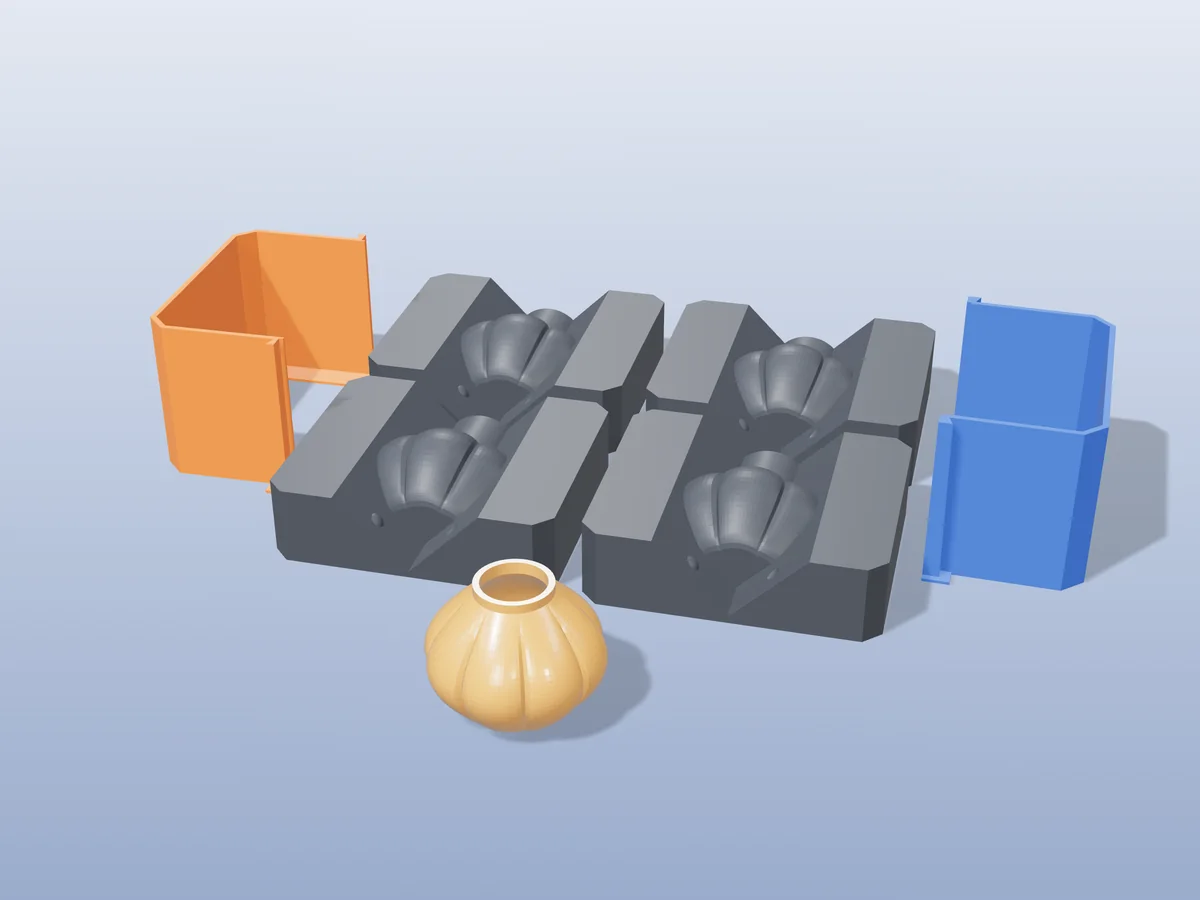
A four-piece plaster mold for slip casting an eight-lobed pumpkin votive or jar, 110 mm across.
 ClayPro early access
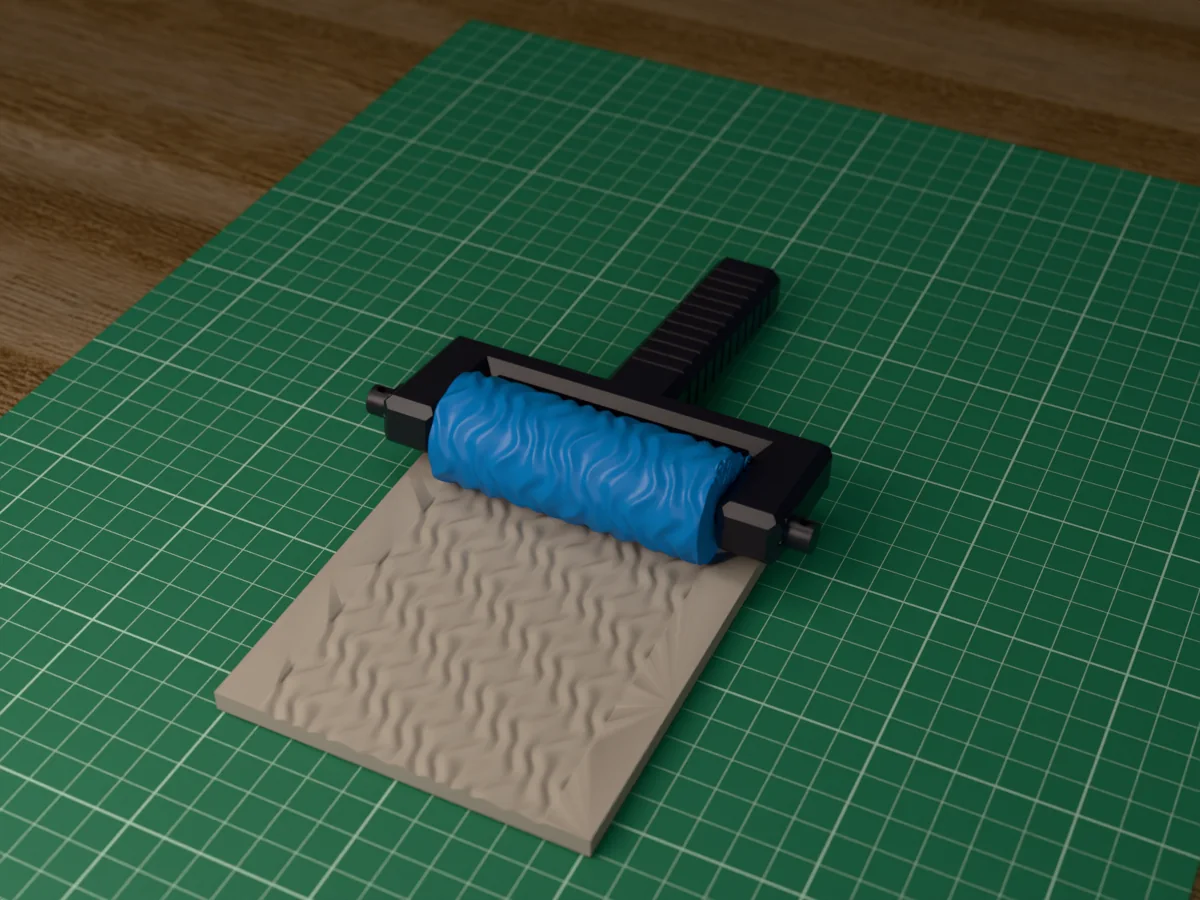
Flowing wave ridges for pottery, polymer clay and fondant. Rounded crests that roll and drift like the surface of the sea.
 ClayPro early access
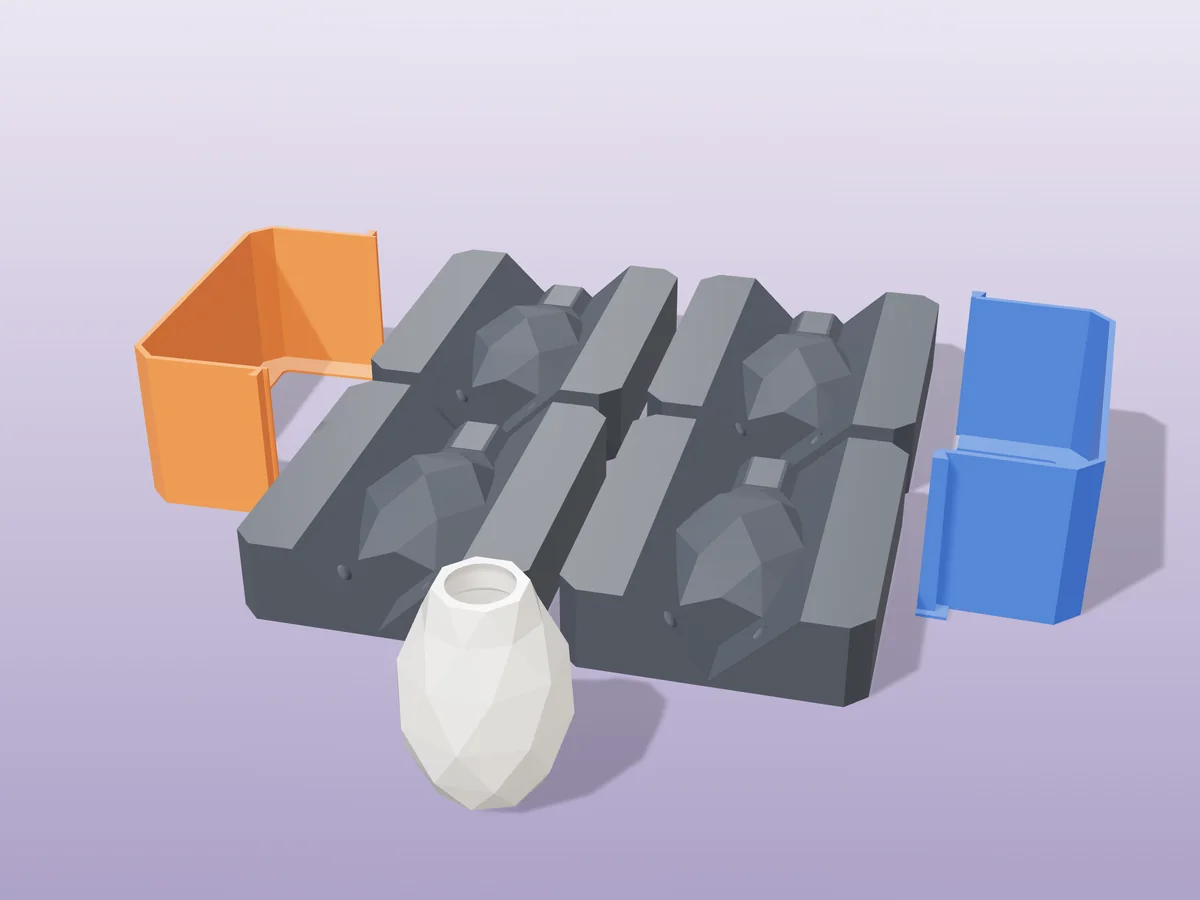
A four-piece plaster mold for slip casting a low-poly faceted vase, 122 mm tall with triangle facets.
 ClayPro early access
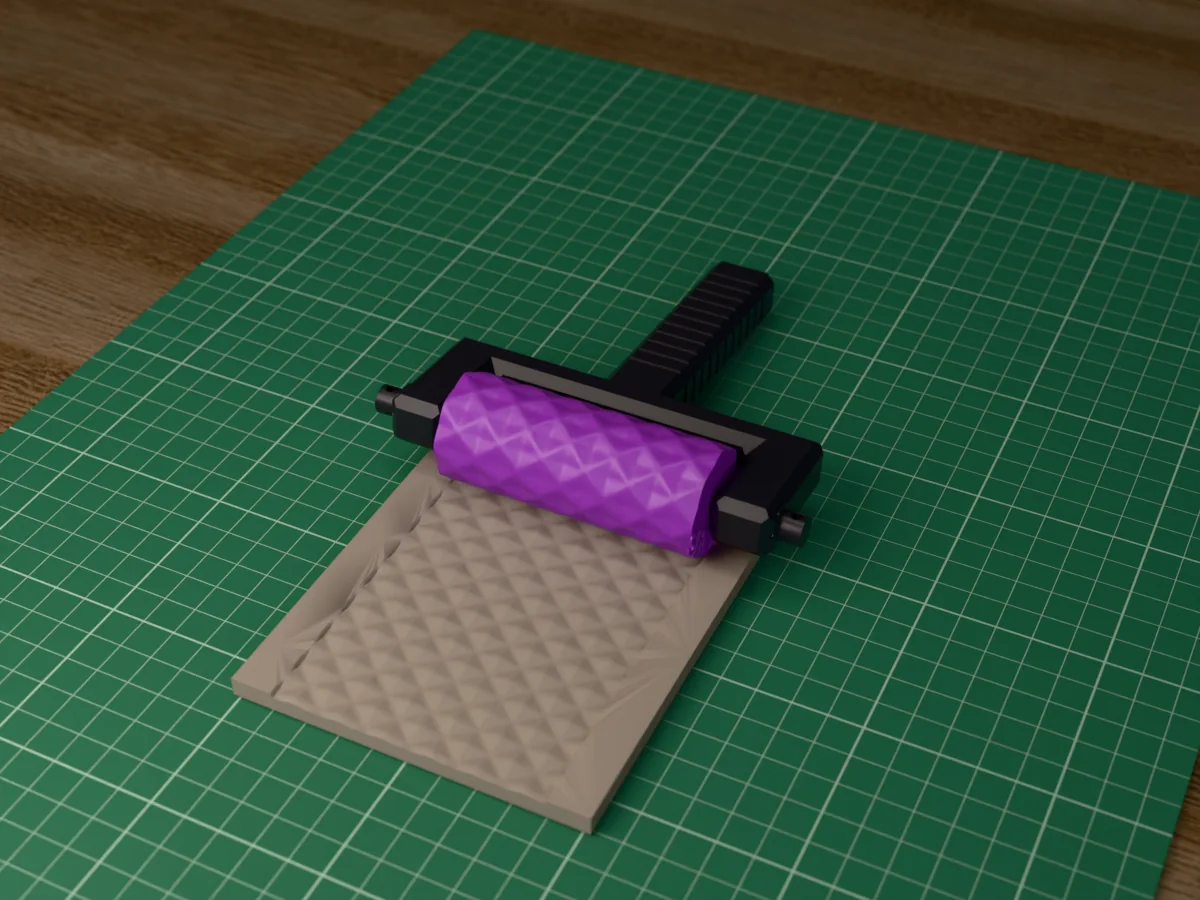
Rows of four-sided pyramids, a crisp faceted diamond texture. For pottery, polymer clay, fondant and sci-fi terrain.
 ClayPro early access
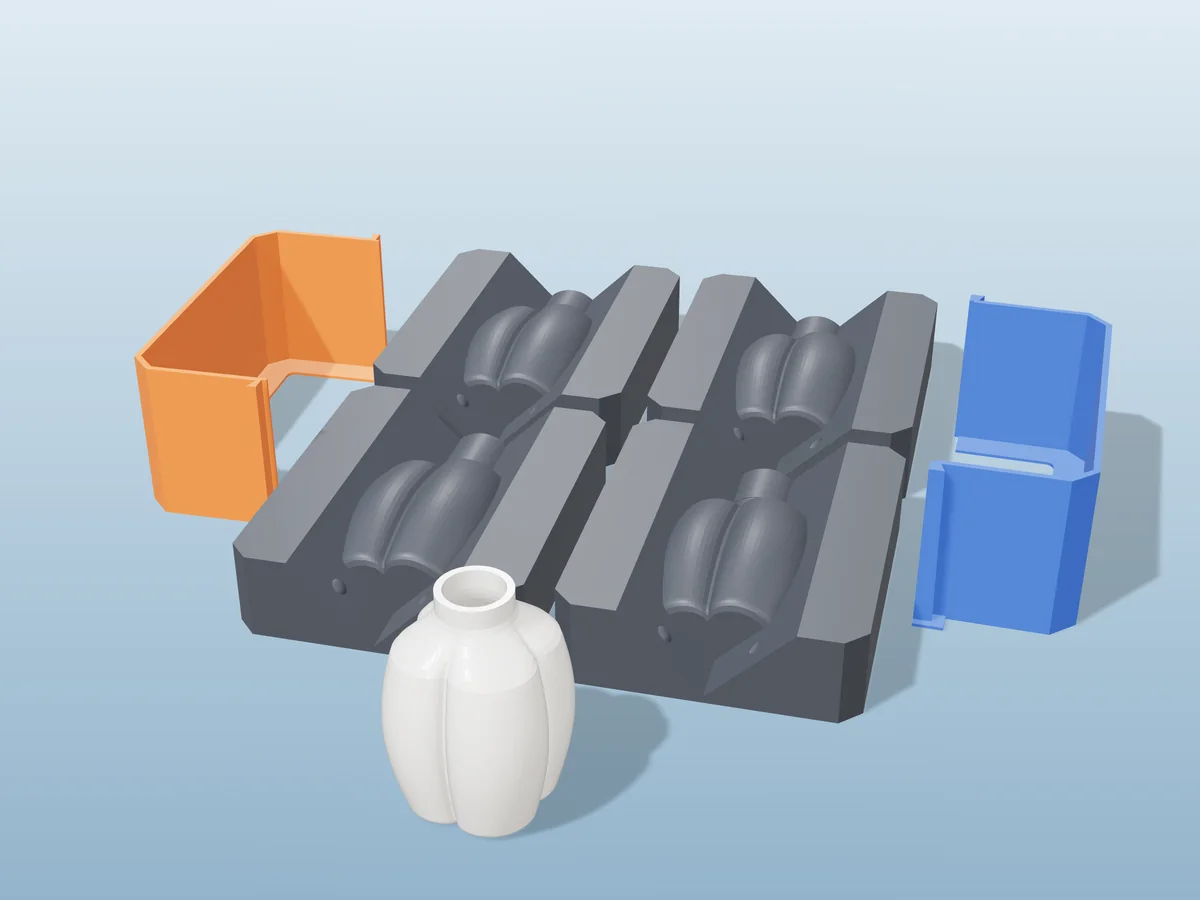
A four-piece plaster mold for slip casting a four-lobed cloud vase that eases into a round mouth.
Clay
One handle, swappable pattern rollers. Print more patterns any time.
The earring cutter sets are made for polymer clay jewellery: graduated arches, teardrops and circles, organic, geometric, botanical and celestial shapes, and seasonal sets. Each cutter has a 0.8 mm blade, 14 mm tall, with a rim to press on, and the dangle shapes punch their own 3.2 mm jump ring hole in the same press. Roll the clay 2 to 3 mm thick, cut, and bake the pieces as your clay's packet says.
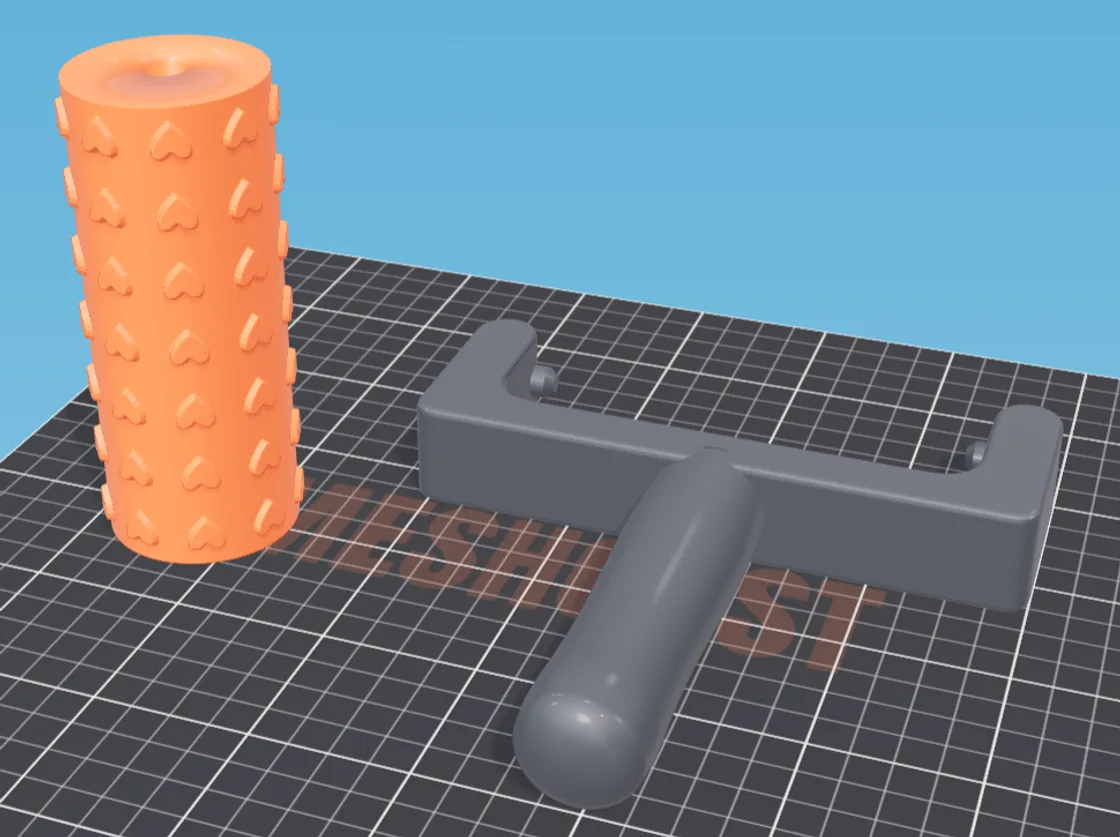
The texture rollers share one printed handle: print the fork handle and its two pins once, then print only the roller sleeve for every new pattern and swap it in seconds. Each roller is 30 mm across and 80 mm long with the pattern raised 1.5 mm, deep enough to press a clear texture into polymer clay, air-dry clay, fondant or craft foam in a single pass.
The terrain patterns (cobblestone, brick, flagstone, wood planks, hex tiles, stone wall) are made for tabletop scenery: roll air-dry clay or EVA foam, cut it to your grid and paint it. The others (cable knit, herringbone, leaves, waves, diamonds) are for pottery, polymer clay jewellery and cake work.
The stamps press a maker mark into clay before it is fired or baked, and into soft leather too. Every download is a zip with the STL files and a print sheet, and every design was made with a free generator, so you can change the pattern, the size or the text yourself.
Questions
Roll the clay to an even thickness first, dust it and the roller lightly with cornstarch, then roll across once in one direction with steady pressure. Going back and forth doubles the pattern. Polymer clay releases best when the roller is cool.
No. Every roller in this collection fits the same fork handle with two pins, which comes in each download, so you print the handle once. The roller sleeve has an 8 mm bore and turns freely on the pins.
Yes, that is what the cobblestone, brick, flagstone, plank, hex and stone wall rollers are for. Roll air-dry clay or EVA foam about 3 to 5 mm thick, let clay dry flat under a board, then cut, prime and dry-brush it.
For 2 to 3 mm polymer clay, yes: a 0.8 mm printed blade cuts a clean edge if you press straight down and lift, and dusting it with cornstarch stops sticking. Metal cutters are sharper on very soft clay; printed ones win on shapes and sizes you cannot buy, and on a punched jump ring hole.
Yes. Upload any seamless image to the free texture roller maker, choose the diameter, length and depth, and it builds the roller and a matching handle in your browser, ready to print.