◆ Mold library
Resin mold STL files
Printable casters for silicone resin molds: coasters, keychains, pendants, earrings, bookmarks and a rolling tray.
◆ Mold library
Printable casters for silicone resin molds: coasters, keychains, pendants, earrings, bookmarks and a rolling tray.
22 designs · print times from 1 h 20 min
Resin
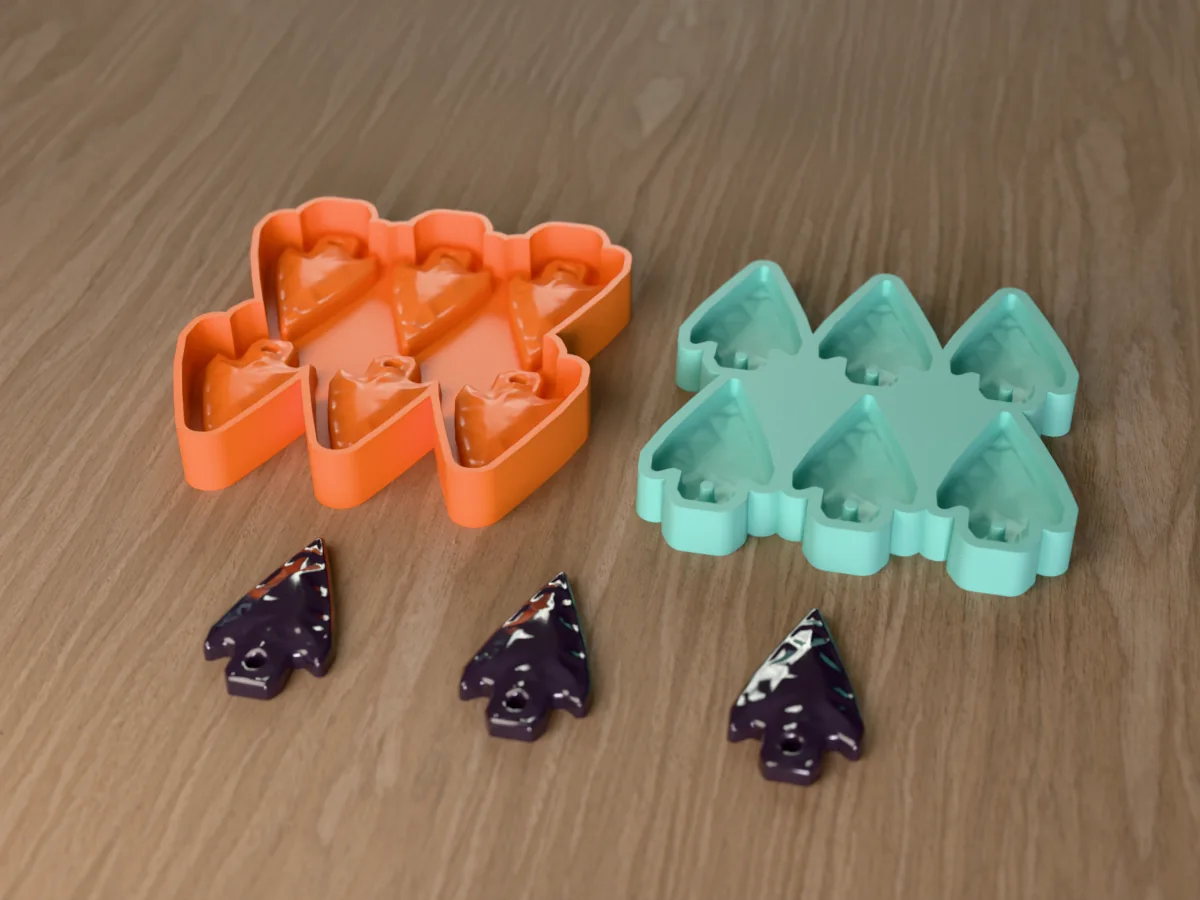
Six flint-look arrowhead pendants per pour in resin, 48 mm long with a hole for the ring. Silicone you pour yourself.
Resin
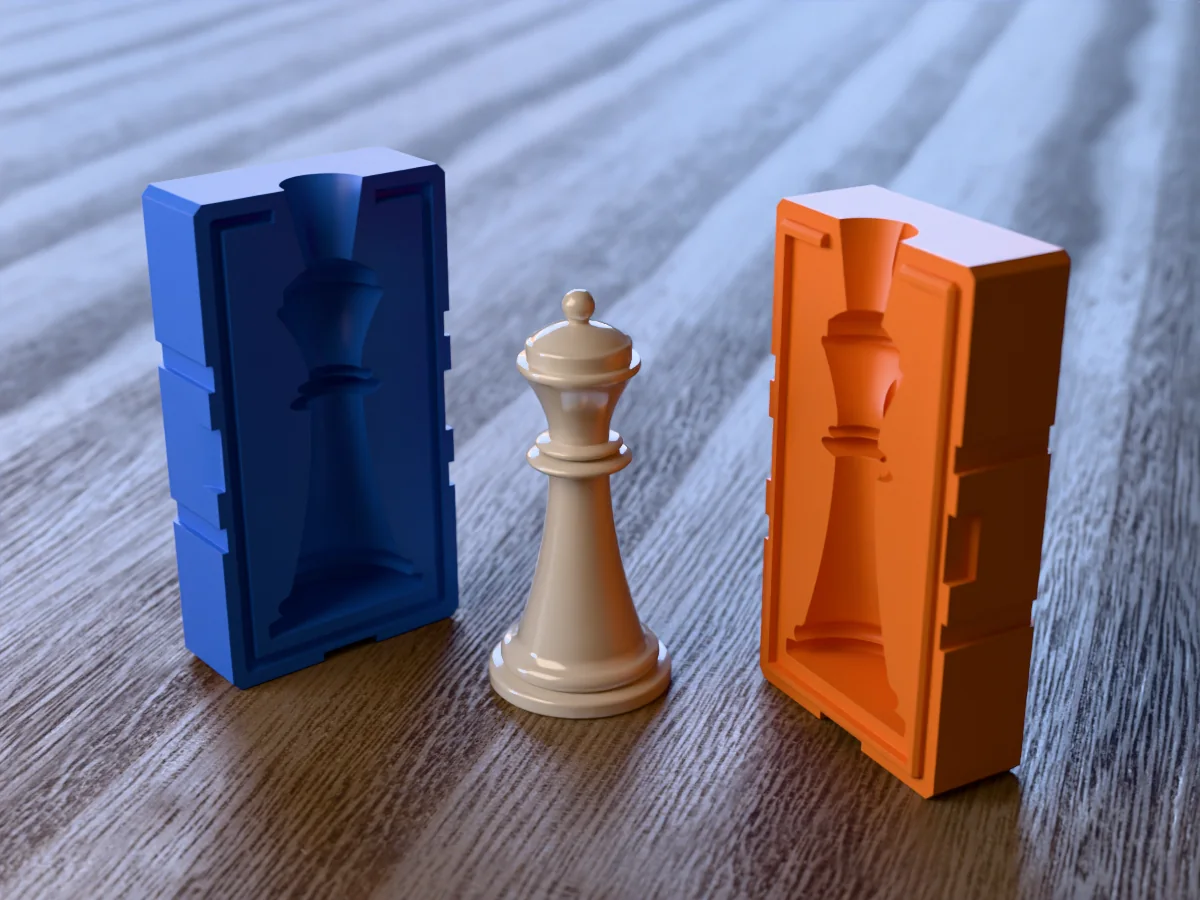
An 88 mm Staunton chess queen with a turned coronet, from a rigid two-part print. Cast it in resin, no silicone.
Resin
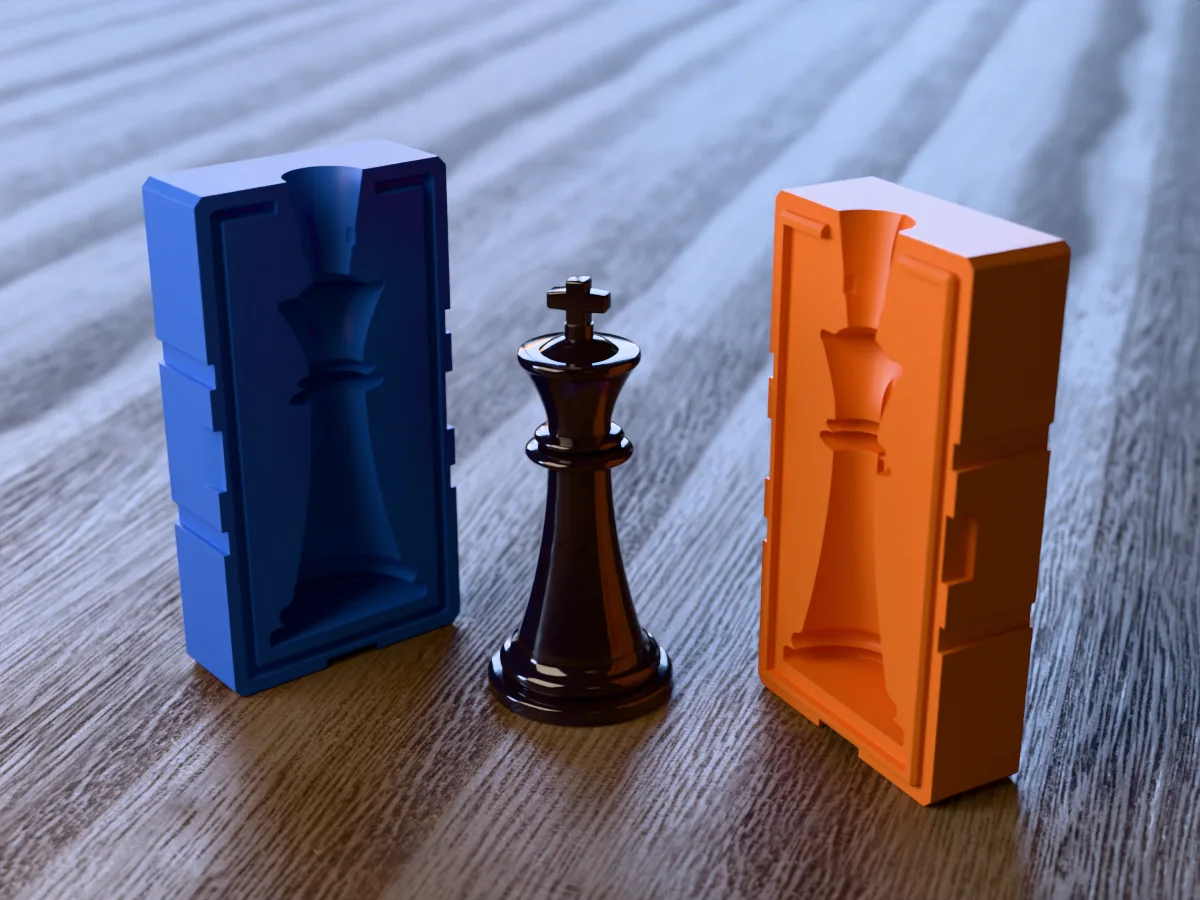
A 95 mm Staunton chess king with a cross, from a rigid two-part print. Cast it in resin, no silicone.
Resin
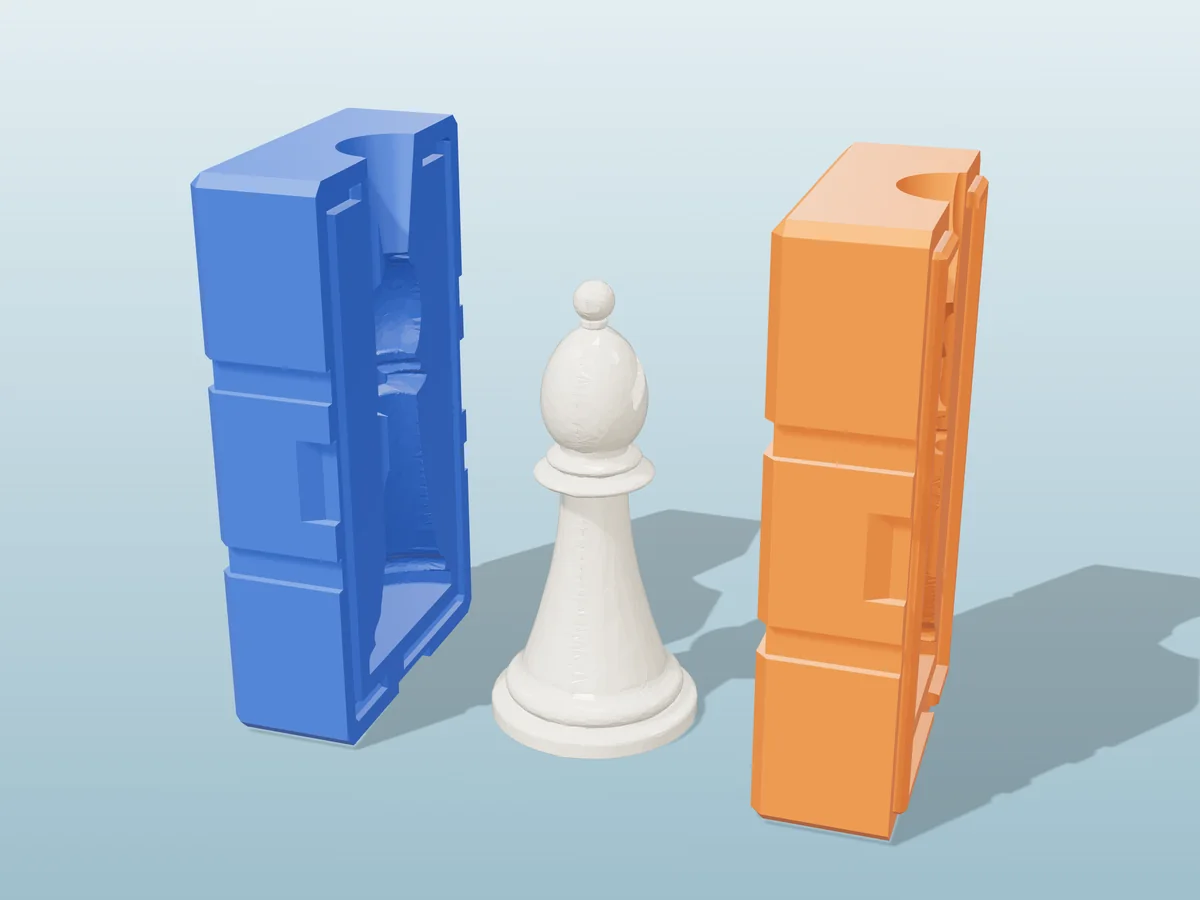
A 78 mm Staunton chess bishop to go with the pawn, from a rigid two-part print. Cast it in resin, no silicone.
Resin
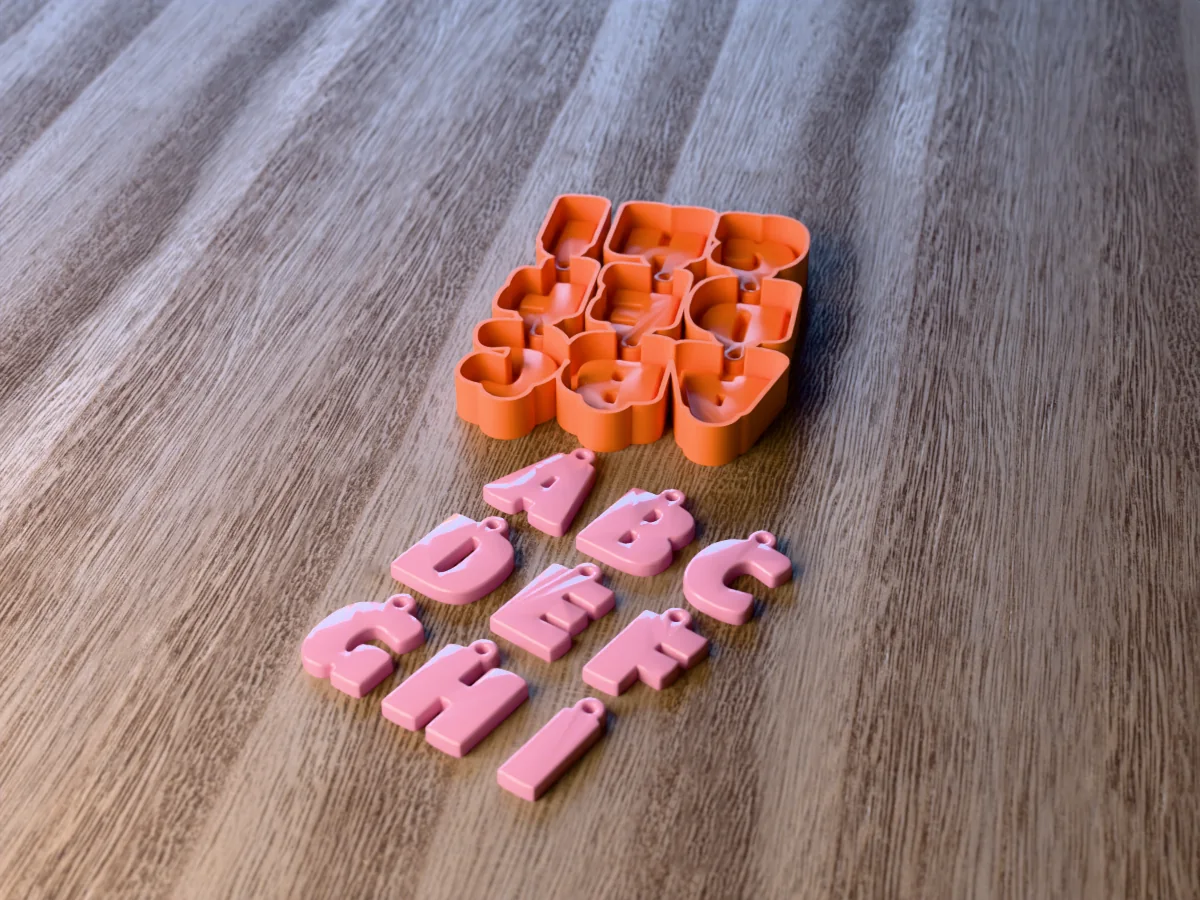
Nine bubble letter keychains, A to I, each with its own key ring hole. From a silicone mold you pour yourself.
Resin
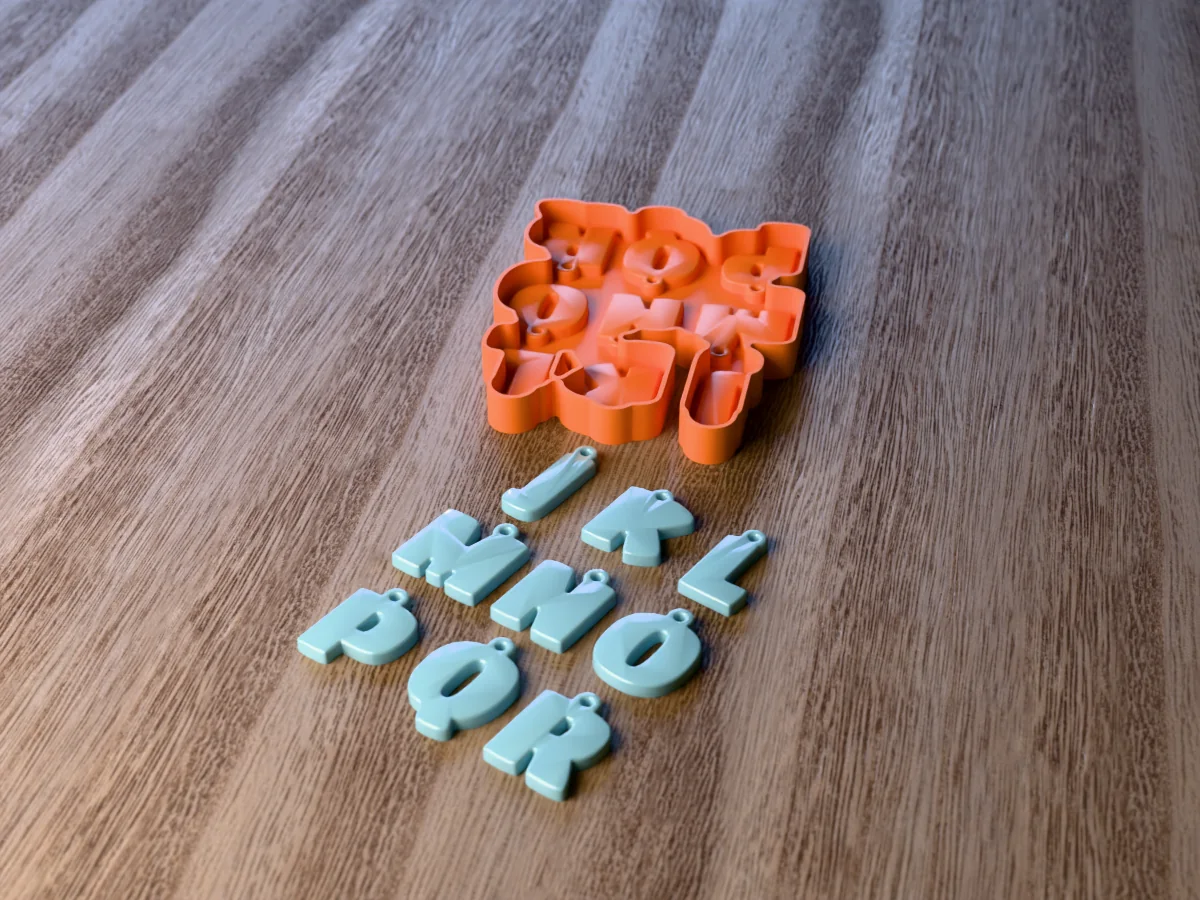
Nine bubble letter keychains, J to R, each with a key ring hole. The middle tray of a full resin alphabet.
 Resin
Resin
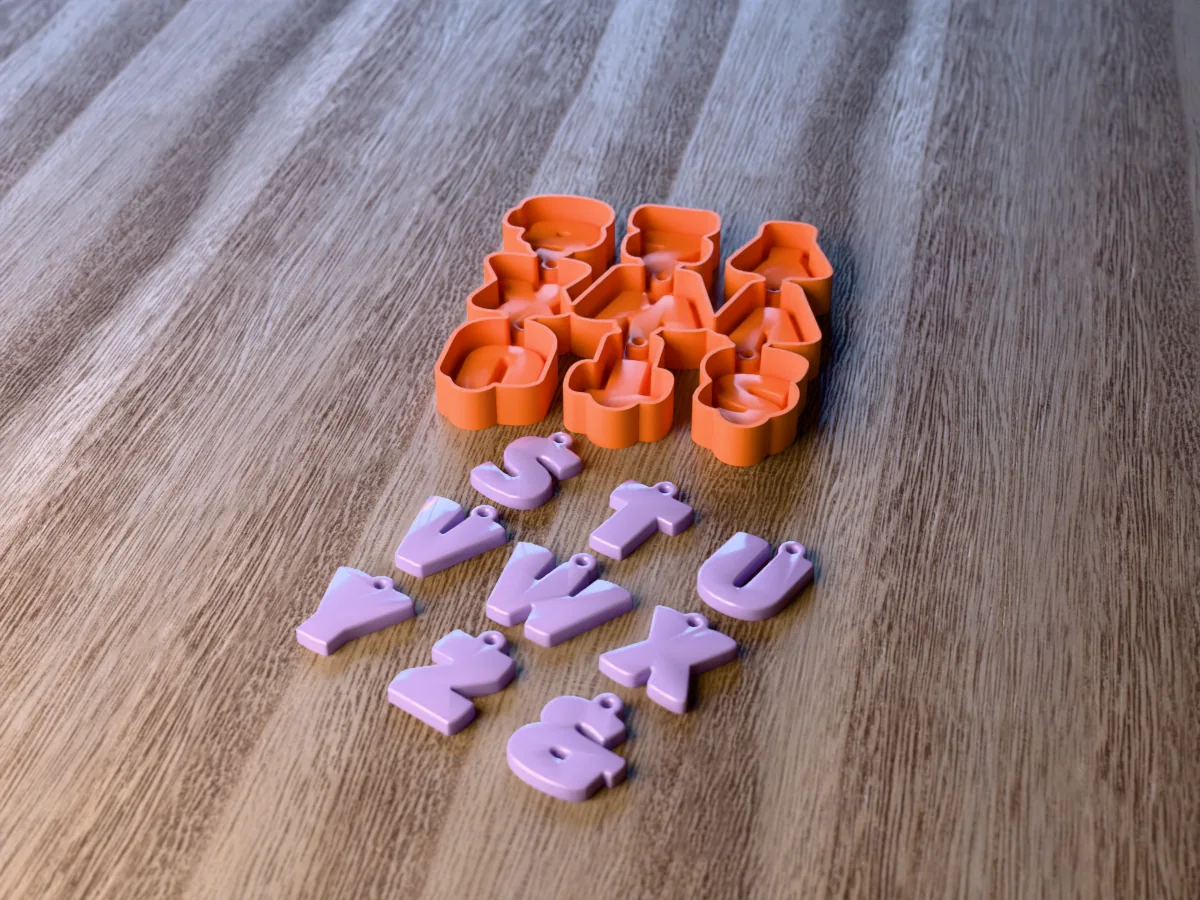
Eight bubble letter keychains, S to Z, and an ampersand, each with a key ring hole. Finishes the resin alphabet.
 Resin
Resin
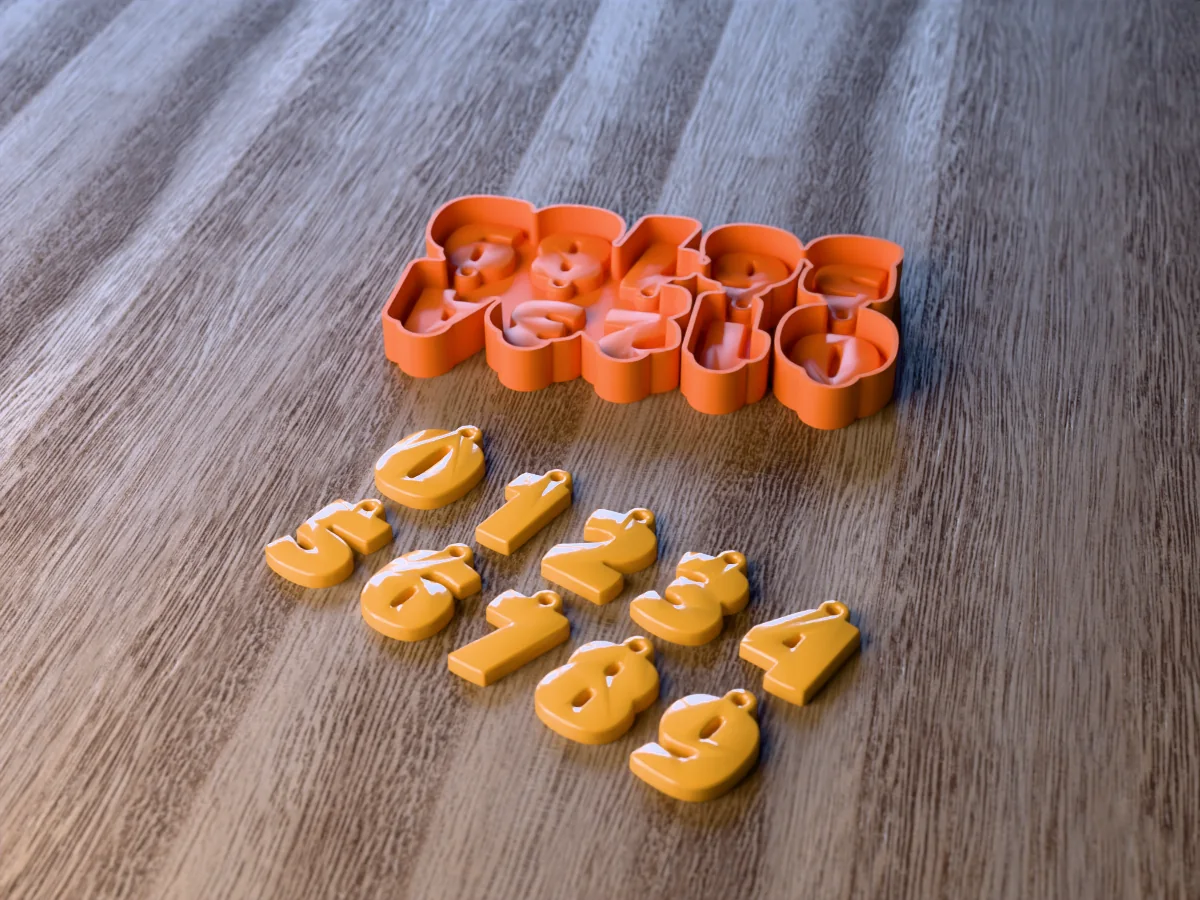
Ten bubble number keychains, 0 to 9, each with a key ring hole. Birthdays, jersey numbers and house keys.
 Resin
Resin
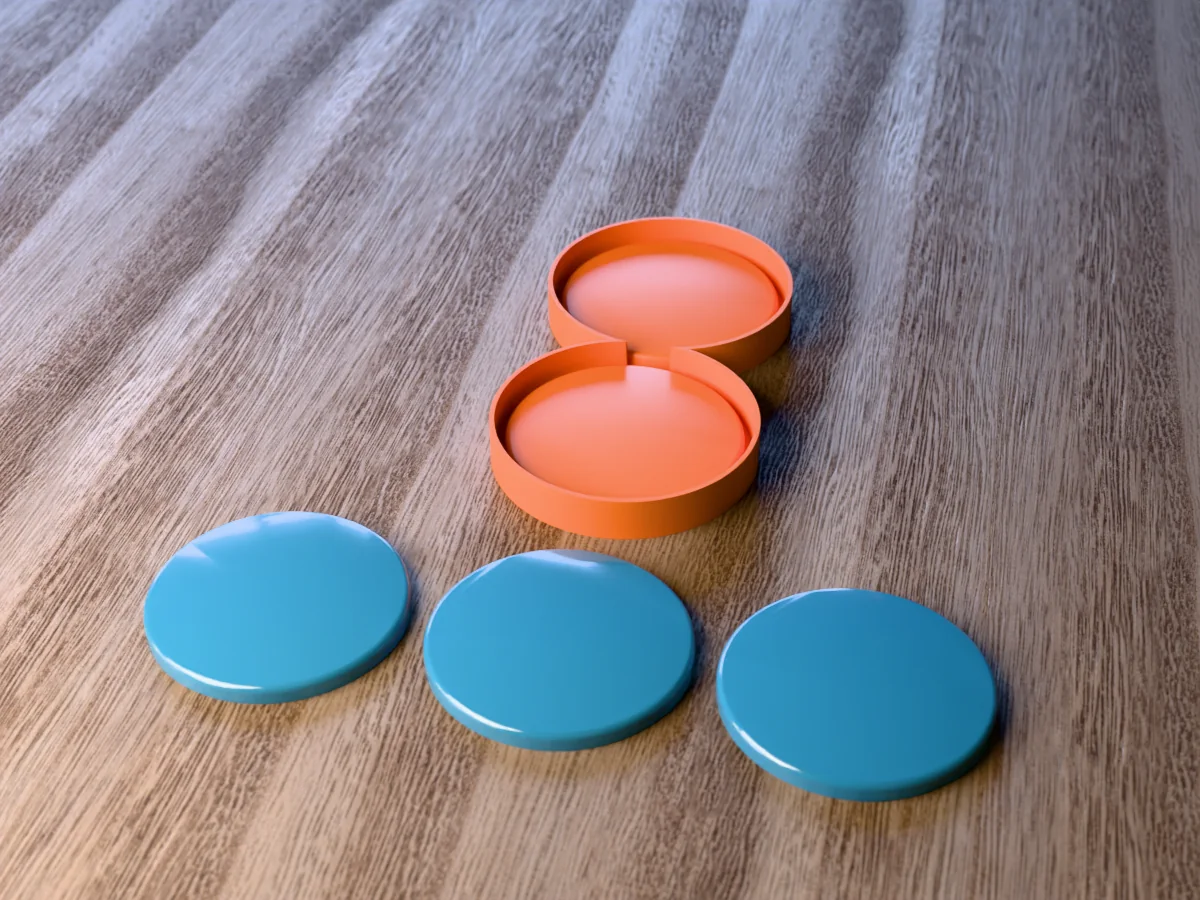
Two 96 mm round resin coasters per pour, 7 mm deep, with a softly rounded top edge. Silicone you pour yourself.
 Resin
Resin
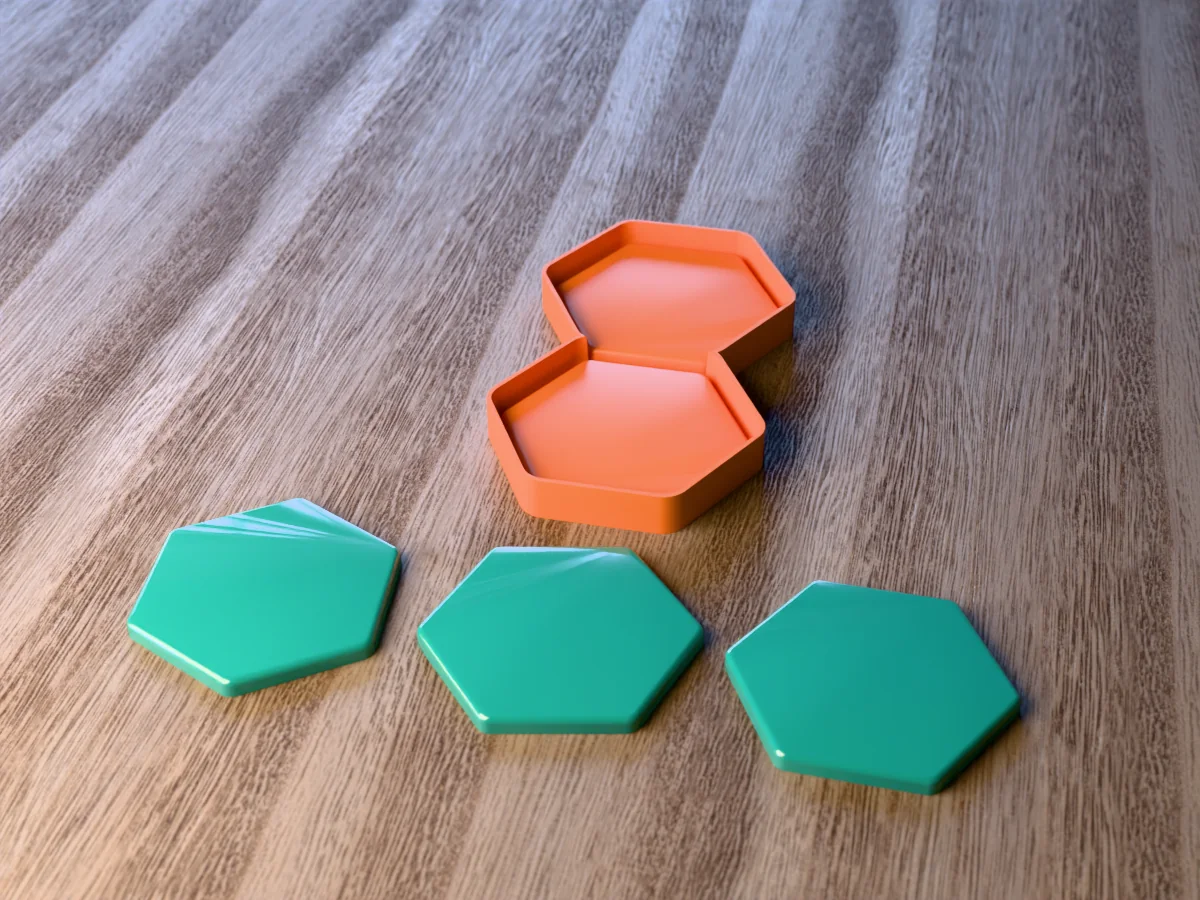
Two hexagon resin coasters per pour, 94 mm across the flats and 7 mm deep. Silicone you pour yourself.
 Resin
Resin
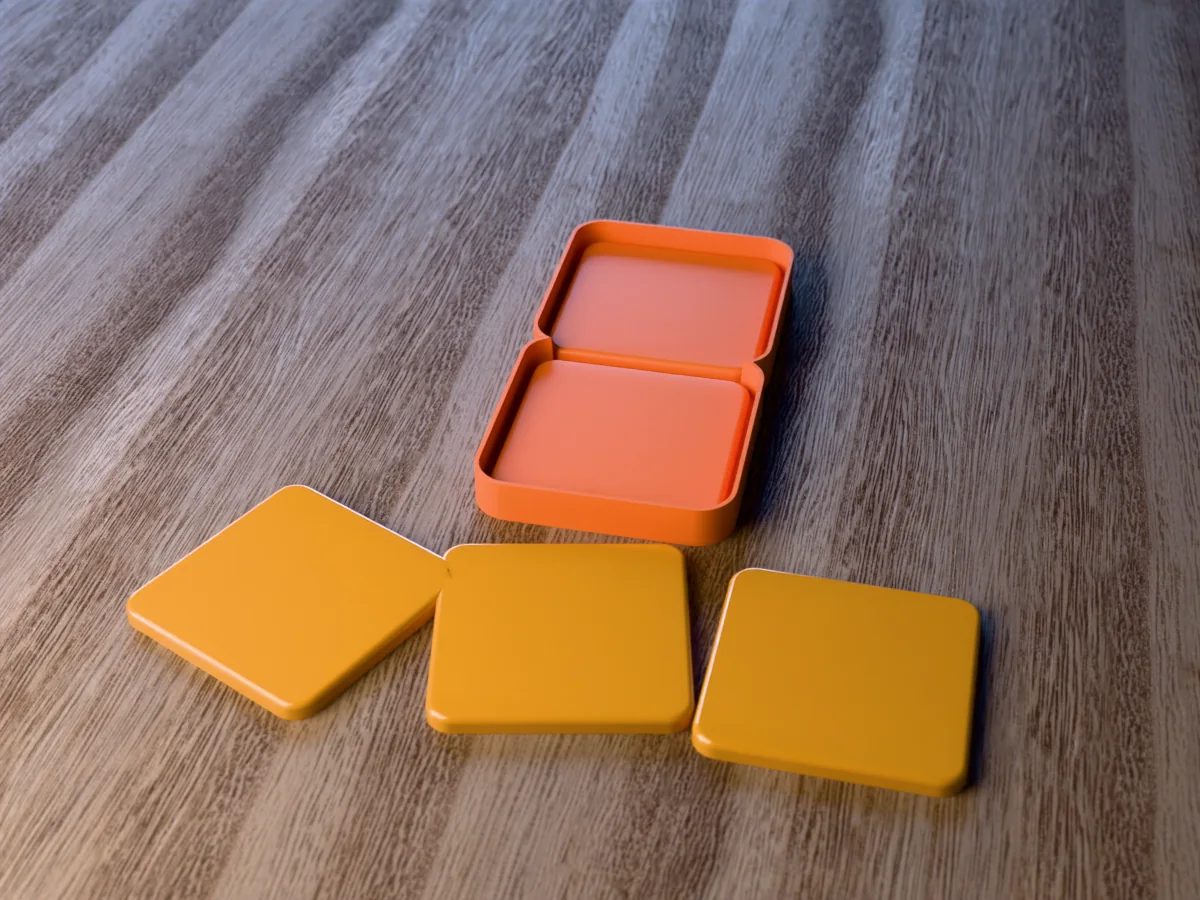
Two 96 mm square resin coasters per pour, 7 mm deep, with rounded corners and edge. Silicone you pour yourself.
 Resin
Resin
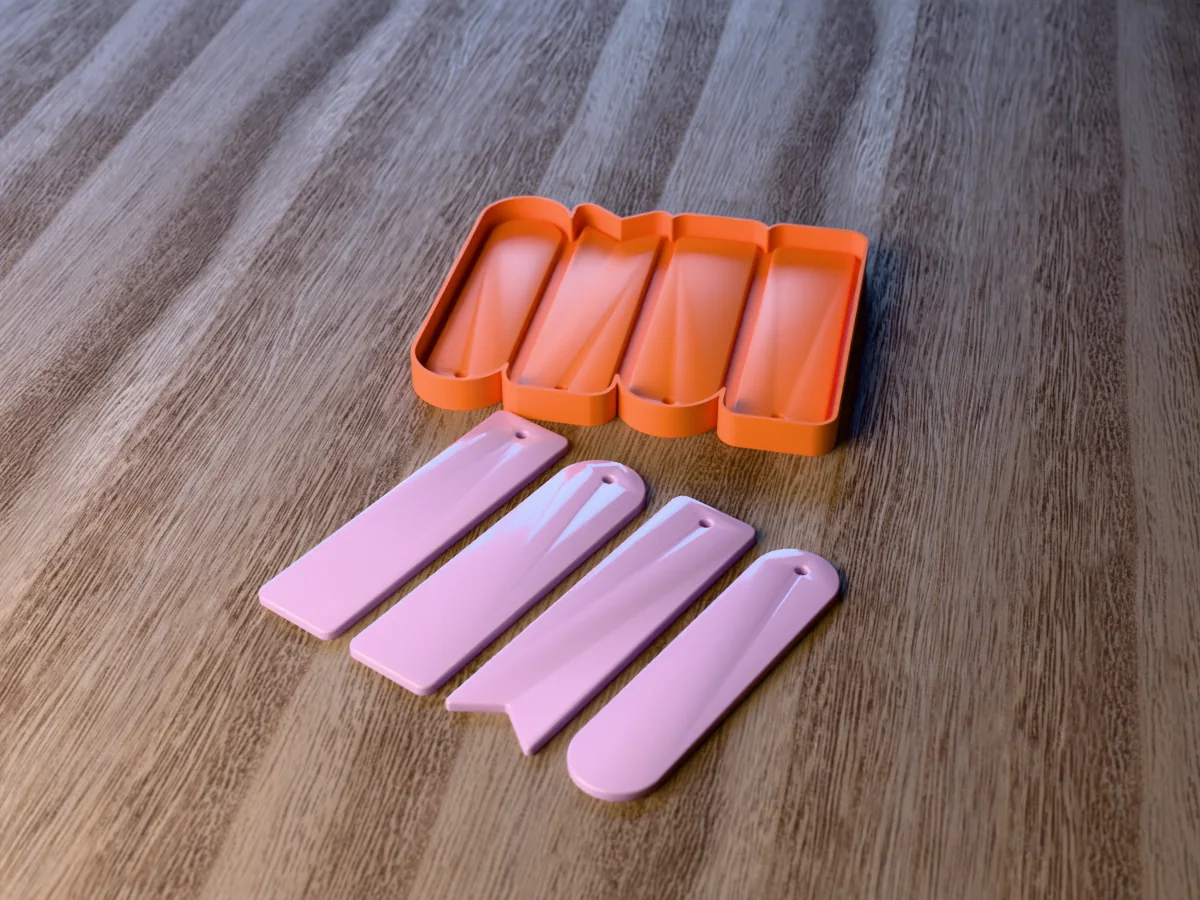
Four resin bookmarks per pour: rectangle, arch, ribbon tail and capsule, each with a tassel hole.
 Resin
Resin
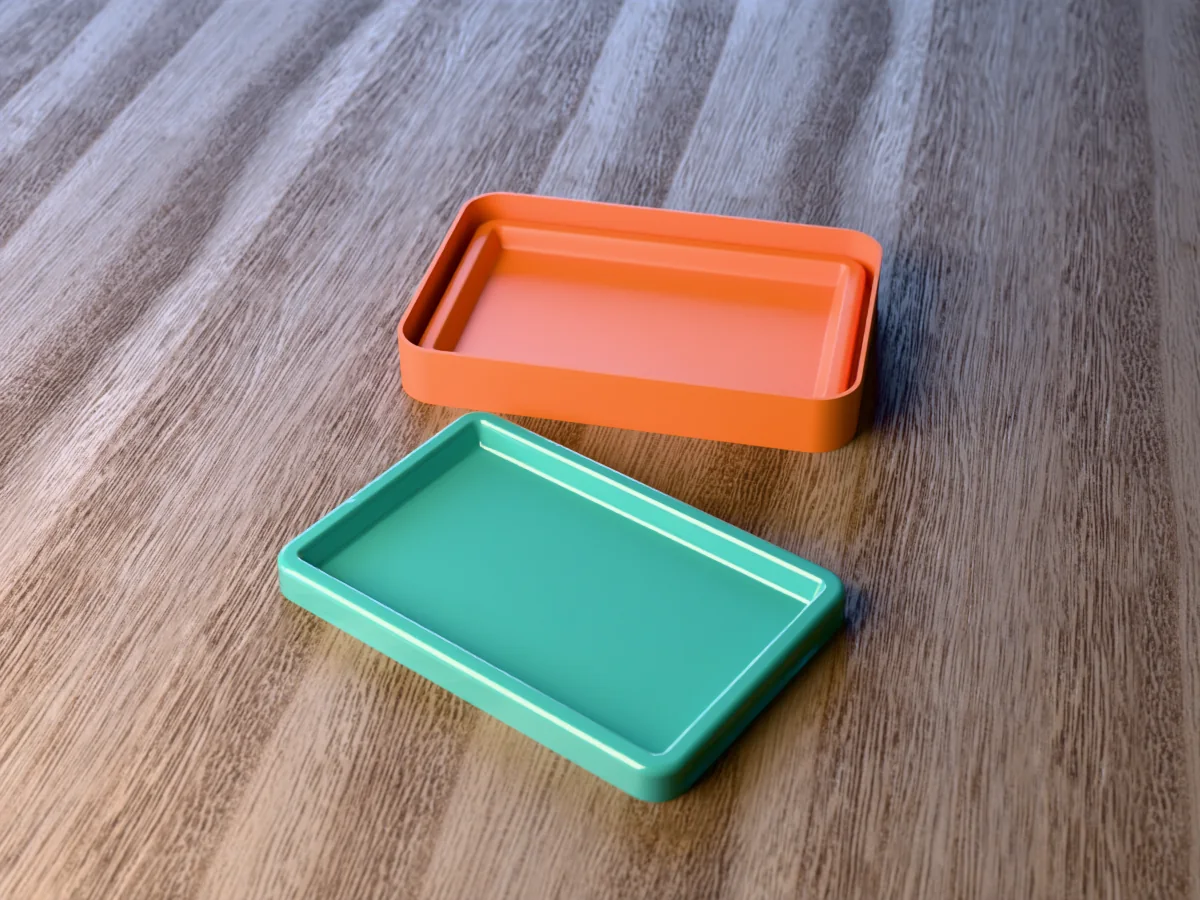
A 180 x 120 mm resin rolling tray with a 10 mm deep well and a rounded lip. Silicone you pour yourself.
 Resin
Resin
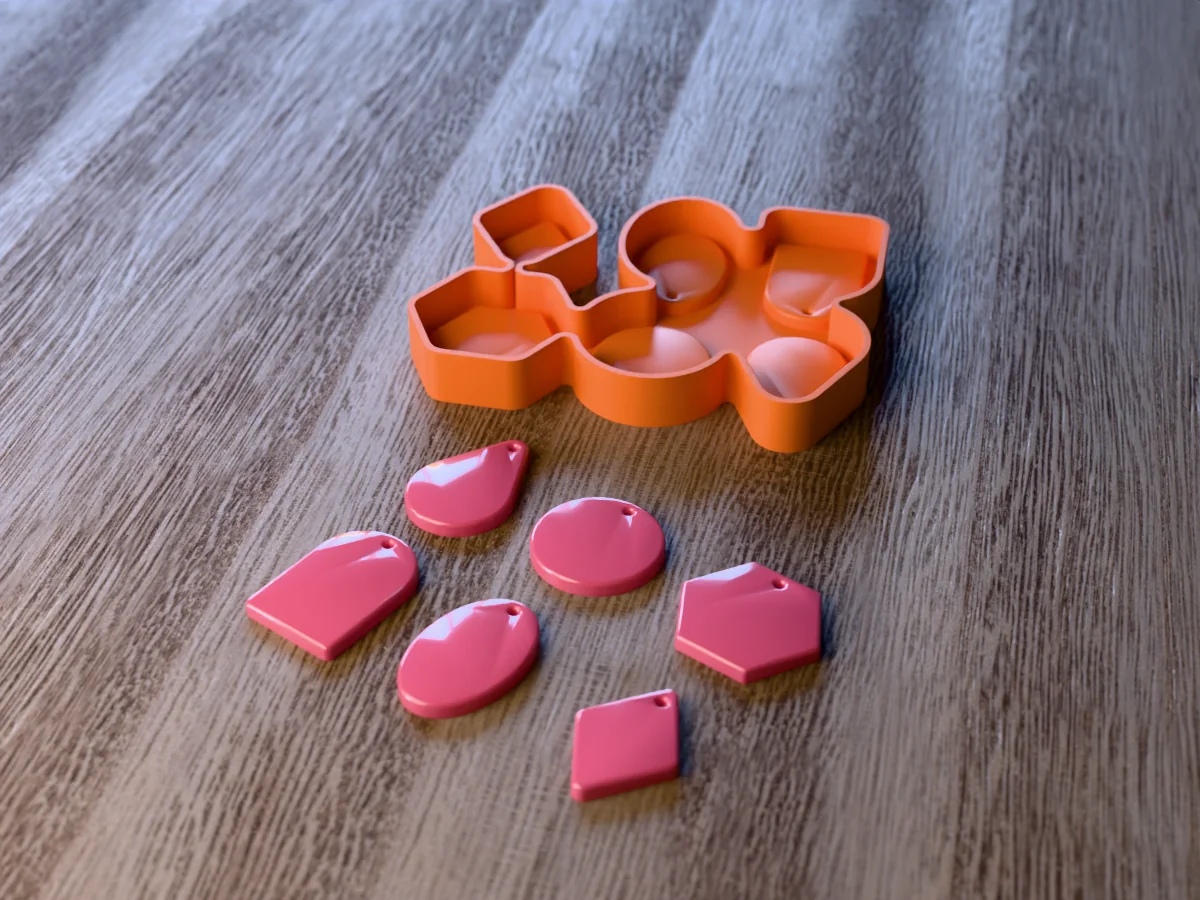
Six resin pendant blanks per pour: teardrop, circle, hexagon, arch, oval and diamond, each with its hole.
 Resin
Resin
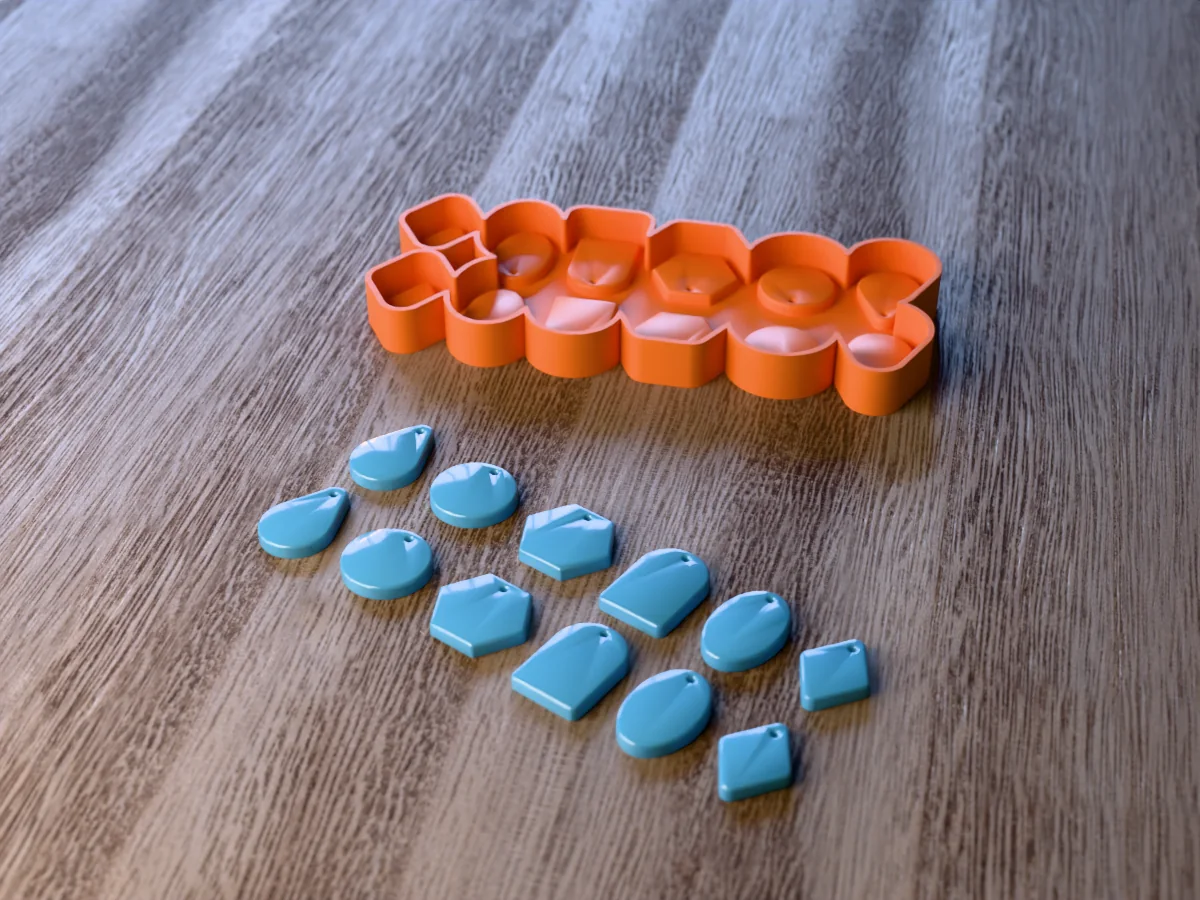
Six pairs of resin earring blanks per pour: teardrop, circle, hexagon, arch, oval and diamond.
 Resin
Resin
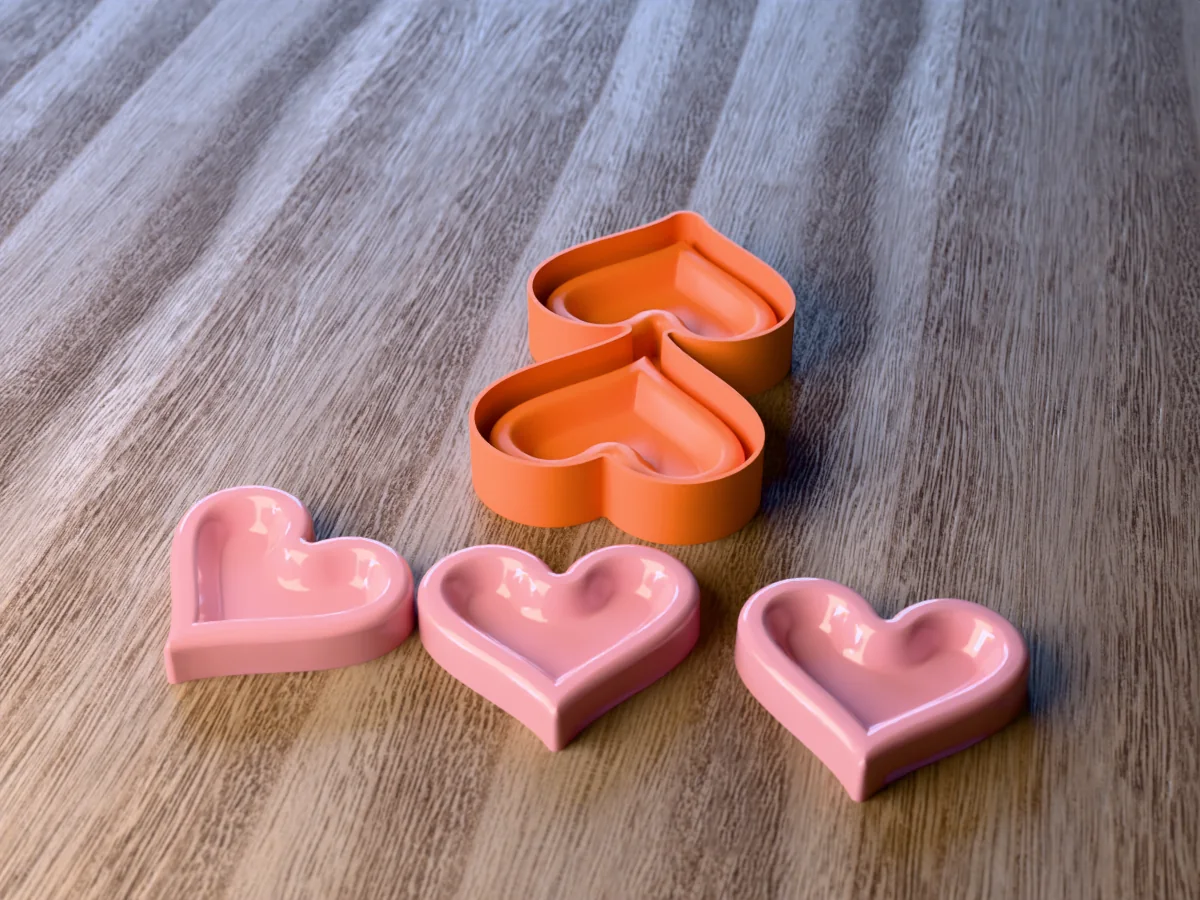
A heart ring dish for resin, Jesmonite or concrete. Two per pour, from a silicone tray you make yourself.
 Resin
Resin
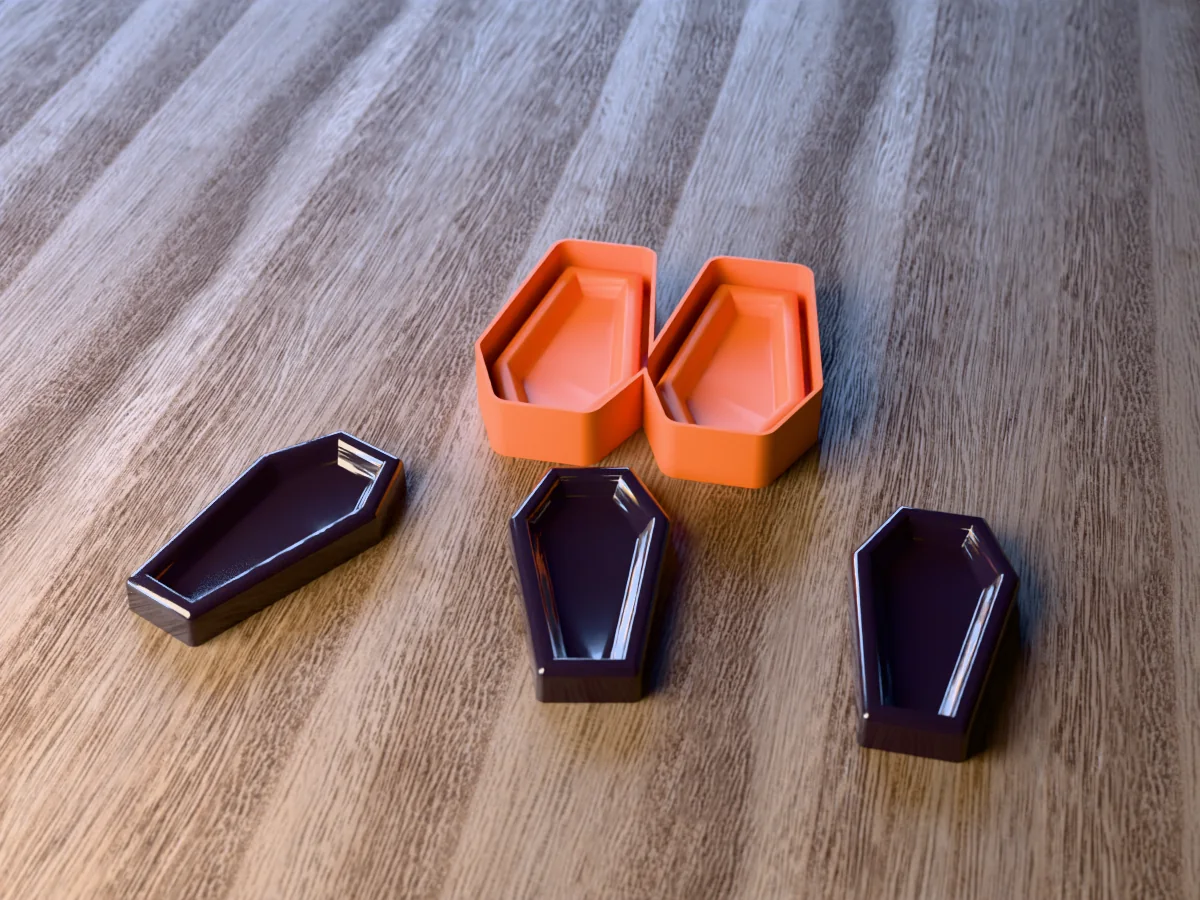
A coffin trinket dish for resin, Jesmonite or concrete. Two per pour, from a silicone tray you make yourself.
 Resin
Resin
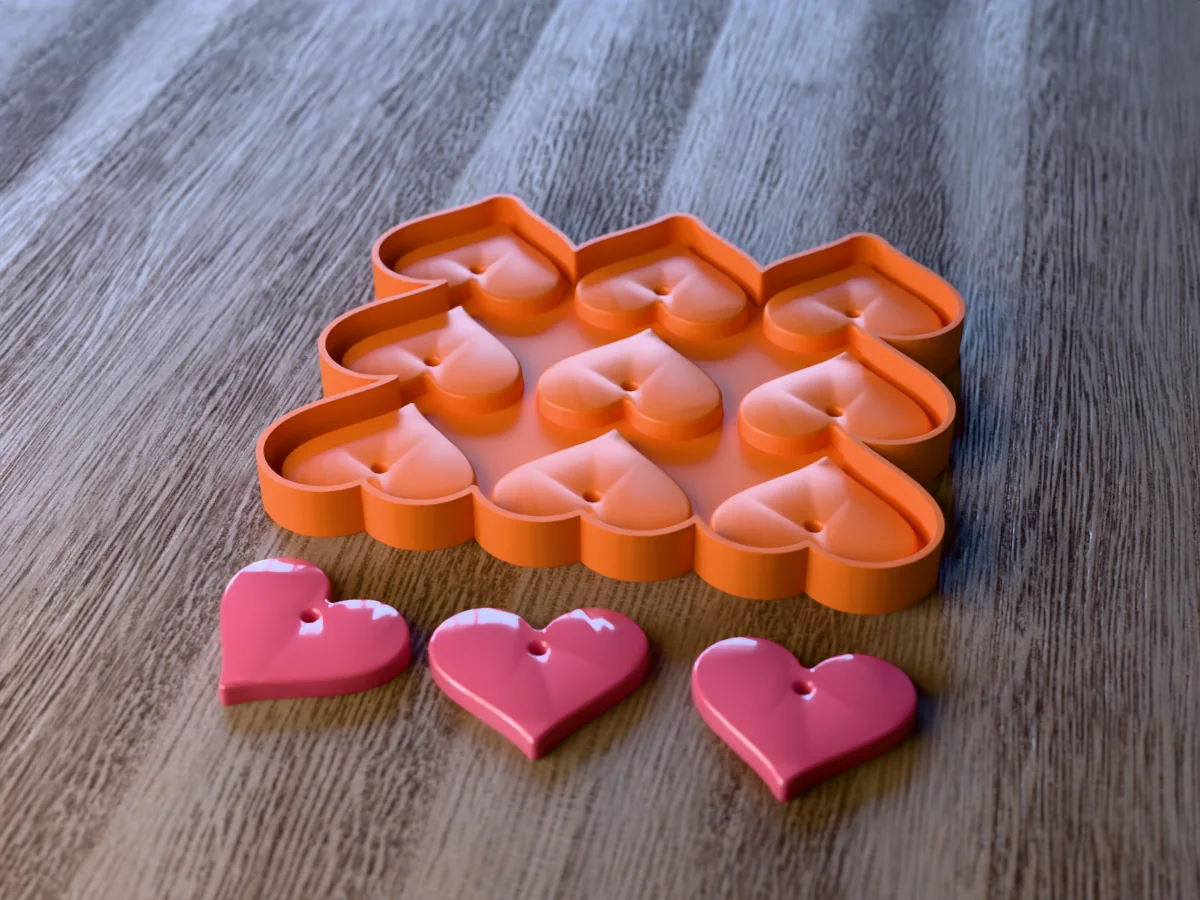
Nine heart resin keychain blanks per pour, each with a hole for the key ring. Silicone you pour yourself.
 Resin
Resin
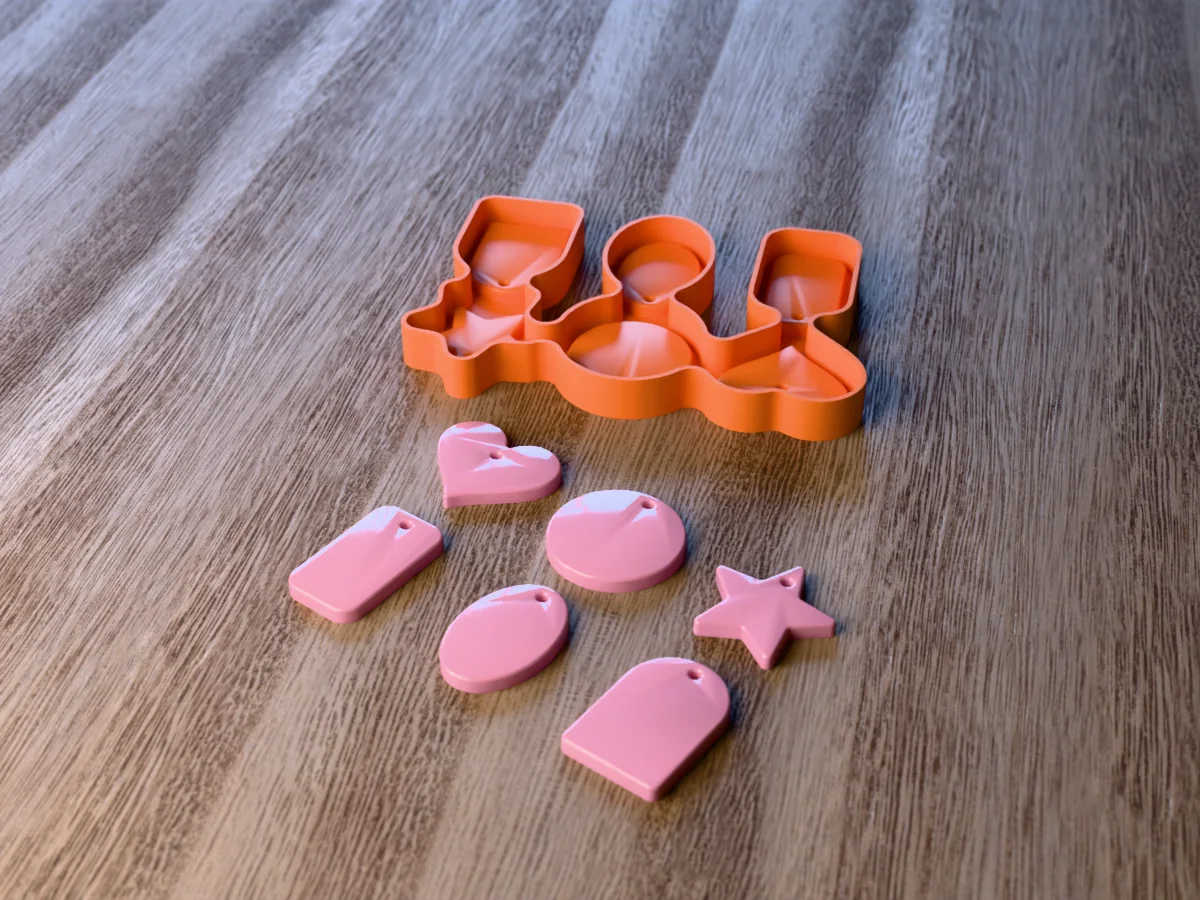
Six resin keychain blanks in one pour: heart, circle, star, dog tag, oval and arch. Each has its hole.
 Resin
Resin
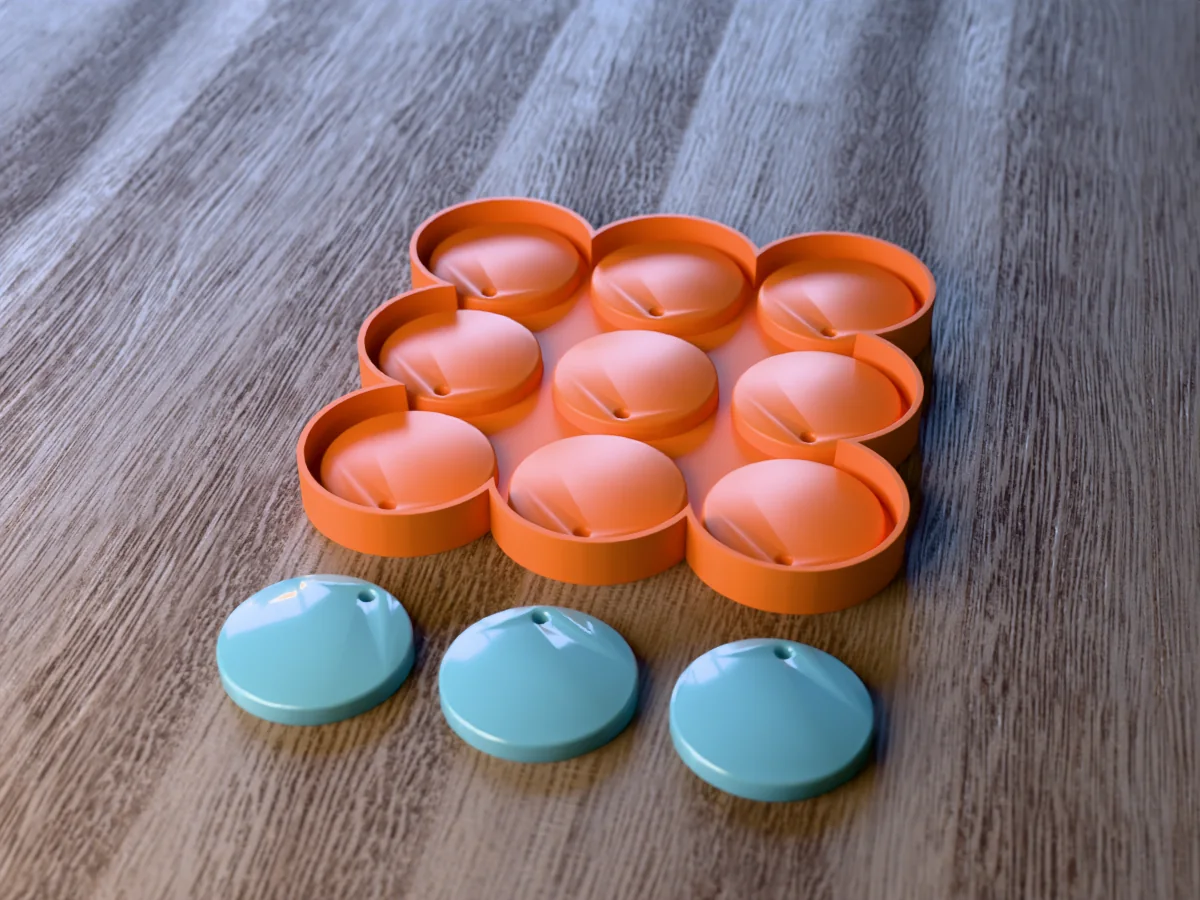
Nine round resin keychain blanks per pour, 48 mm across with a hole for the ring. Silicone you pour yourself.
 Resin
Resin
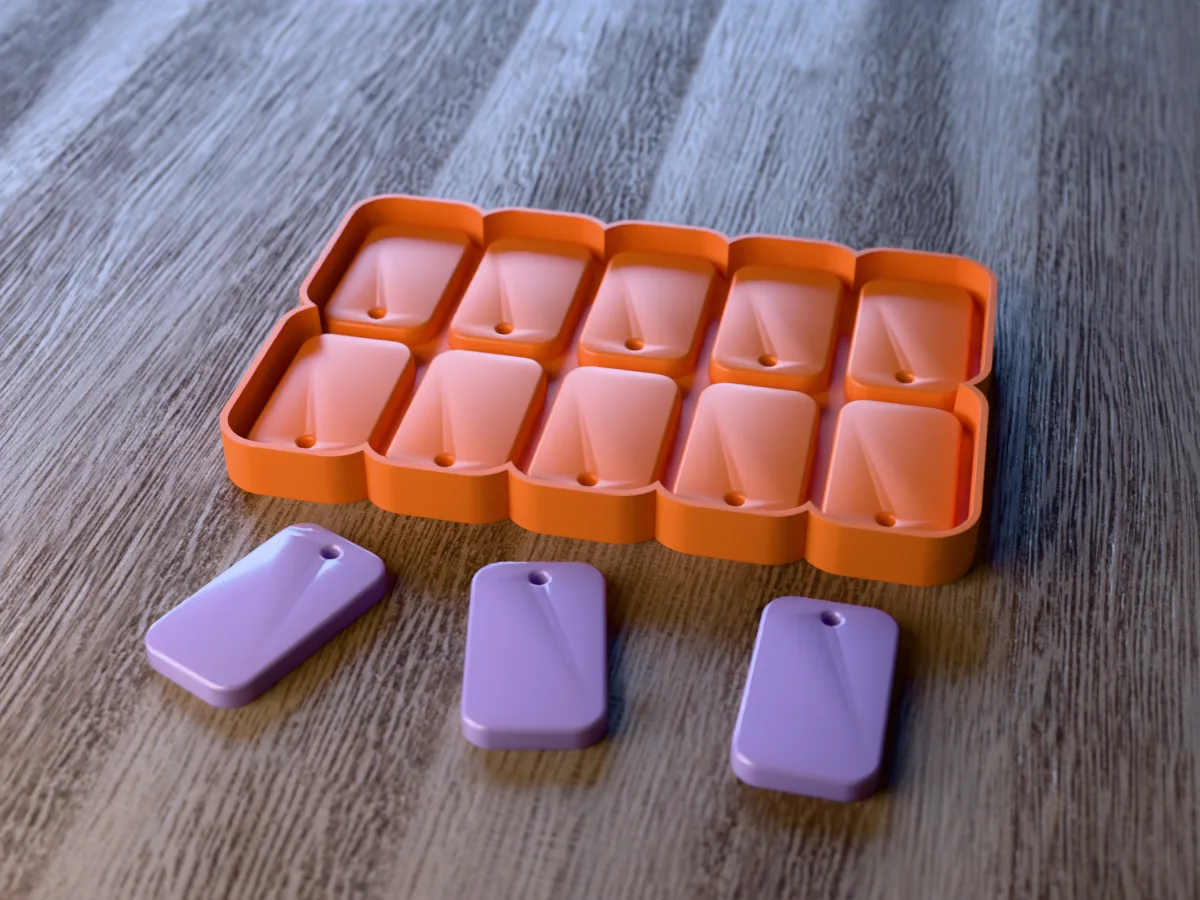
Ten dog tag resin keychain blanks per pour, 30 x 52 mm with a hole at the top. Silicone you pour yourself.
 Resin
Resin
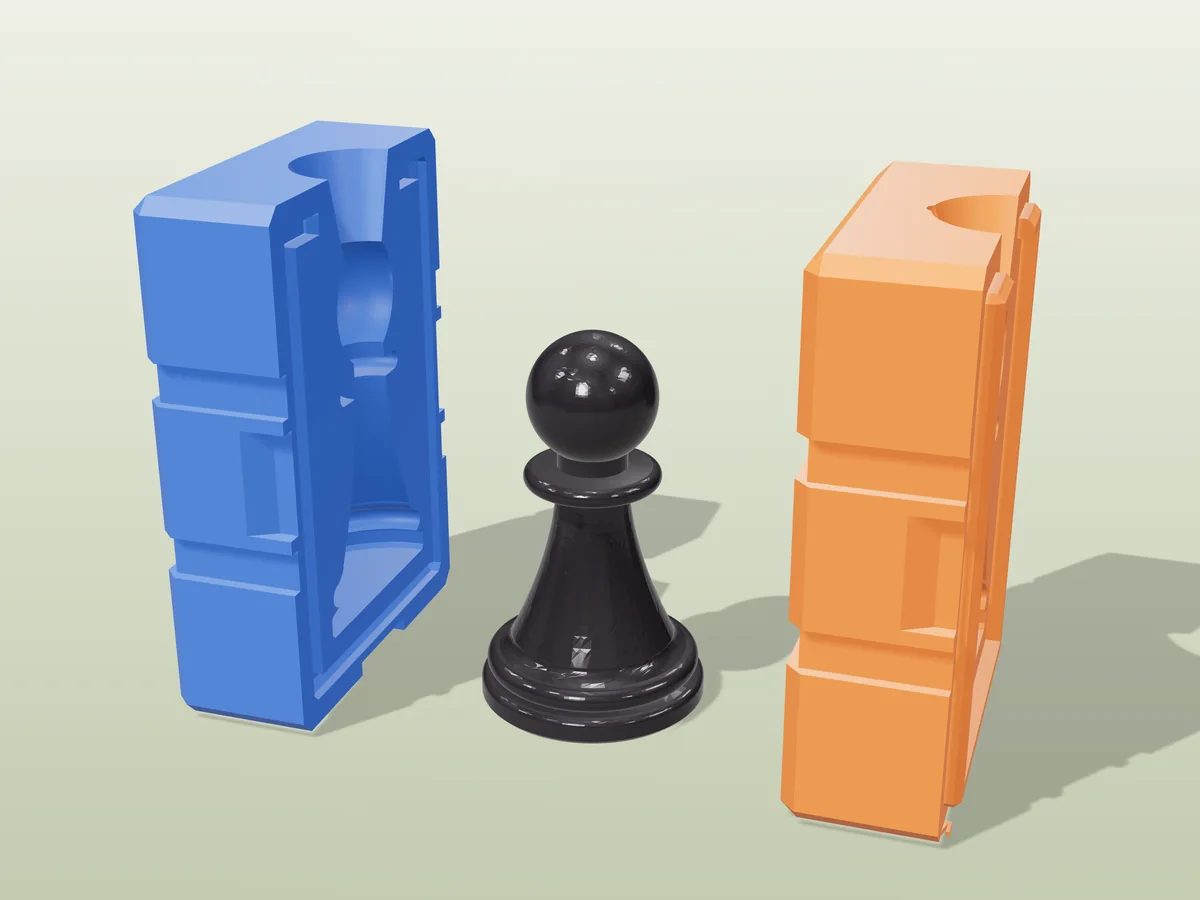
A 50 mm Staunton chess pawn from a rigid two-part print. Cast all sixteen in resin, no silicone.
Epoxy resin grips a bare 3D print and copies every layer line, so almost every design here is a caster: you print it, pour a flexible silicone into it once, and cast resin in the silicone as often as you like. The silicone gives the piece a smooth, glossy back and peels away without a release agent. The few rigid two-part molds say so on their card.
Coasters and trays want a deep-pour epoxy in one go or a coating epoxy in thin layers. Keychains, pendants and earrings have a post that leaves the hole open, so there is nothing to drill afterwards. Pop the bubbles with a quick pass of a heat gun and leave the resin at least 24 hours before you demold.
Each download is a zip with the printed parts, a print sheet and the silicone amount the tool measured. Every design was made with a free generator, so the same tray can hold a shape of your own.
Questions
Only with a release agent, and even then the resin copies every layer line and can bond to the print. For a smooth, glossy piece, pour a silicone mold from the printed caster and cast resin in the silicone instead.
A platinum cure (addition cure) silicone of about Shore 20A to 30A. It is flexible enough to peel off a coaster and gives resin a glossy finish. Tin cure silicone works but wears faster under epoxy.
Mix slowly, pour in a thin stream from one corner, then pass a heat gun or a lighter quickly over the surface a few minutes after pouring. Warming the resin bottles in warm water before mixing makes it thinner and lets bubbles rise faster.
Yes. Drop any STL into the free tray mold maker, switch it to the flexible silicone tray and it builds the caster for you, with as many cavities as fit.