◆ Resin
Heart trinket dish mold
A heart ring dish for resin, Jesmonite or concrete. Two per pour, from a silicone tray you make yourself.
◆ Resin
A heart ring dish for resin, Jesmonite or concrete. Two per pour, from a silicone tray you make yourself.
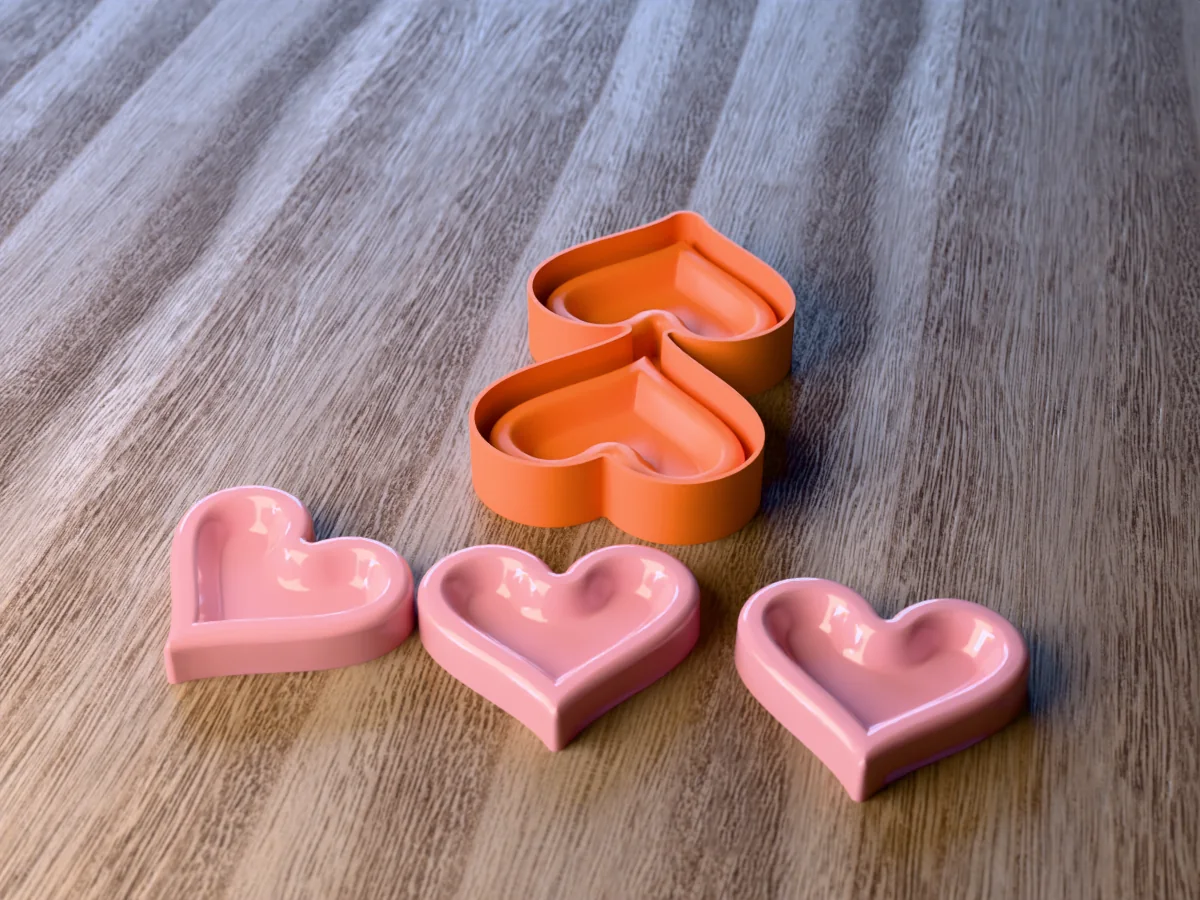
A heart-shaped trinket dish 98 x 85 mm and 17 mm tall: a soft, rounded lip about 7 mm wide round an 11 mm deep well that eases into a flat heart-shaped floor. Deep enough that rings, earrings and a folded necklace stay put on a dresser or beside the sink.
Made with our tray mold generator in its flexible silicone tray mode. You print one part, a caster: an open box whose wall follows two hearts standing in it face up. Pour silicone into it, let it cure and peel it out, and that silicone is a bendy two-cavity tray. The dish is cast upside down in it: the dome in each cavity forms the well, and the poured side becomes the flat bottom.
It is listed under resin and casts just as well in Jesmonite, plaster or a fine concrete. The site's mold advisor sent it to silicone because the curved well would lock two rigid halves, while a flexible tray peels straight off it. The zip carries the printed caster exactly as the tool exported it, one dish on its own as an STL, the master uploaded to the tool, and a print and pour sheet with the silicone figure the tool measured.
Shown as a 3D render of the printed caster with three dishes in front, not a photo.
Print the caster as exported, open side up, no supports. For a glassy resin dish, sand the raised dish shapes smooth or brush on a thin coat of XTC-3D first: the silicone copies every layer line, and resin shows each one.
Mix 257 ml of silicone in one batch and pour it into one corner of the caster in a thin stream, letting it rise over the dish shapes until it is level with the rim. Tap the caster on the table for a minute and let it cure for as long as its datasheet says.
Peel the cured silicone out of the caster. That silicone is your tray: the dome in the middle of each cavity is what forms the well of the dish.
Mix casting resin and pour each cavity slowly to the brim, about 64 ml each. Pass a heat gun or torch over the top to pop the bubbles, cover it against dust and let it cure fully, usually 24 to 72 hours.
Flex the tray and peel it back from the dish rather than pulling the dish out. The poured side is the bottom: sand it flat or add felt pads.
Print details
| Cast material | Resin |
|---|---|
| Printed parts | 1 |
| Size (W x D x H) | 110 x 187 x 29 mm |
| Print bed needed | 188 x 110 mm, 29 mm tall |
| Filament | ~137 g |
| Layer height | 0.2 mm |
| Infill | 15% |
| Supports | Not needed |
| Download | ZIP: printed caster (STL) + one dish (STL) + tool master (STL) + print and pour sheet |
| Added | 2026-09-26 |
Pro early access until October 26, 2026, then free with any account.
Like it or post your print on Thingiverse
Make your own tray mold →Made with the free Tray mold generator. Upload your own model and get the same kind of mold built around it, in your browser.
Free for personal use. Selling the pieces you cast needs a commercial licence (Pro or Founder); passing on the file itself is not permitted on any plan. Full terms.
New to casting? Read the ice cube tray mold guide.
The dish is upside down in the tray, and the dome in the middle is its well. Pour resin until it covers the top of the dome by about 2 mm and let it gel until it is tacky. Lay the flowers on it face down, since that side will show through the floor of the well, then fill to the brim.
The silicone copies the caster exactly, so a print straight off the plate leaves a faint texture that resin shows as a satin sheen. For a glassy dish, sand the caster's hearts to 1000 grit or brush on XTC-3D before you pour the silicone. A damp room clouds epoxy too, so cast somewhere dry.
In resin, yes, straight away. Jesmonite and concrete are porous, so seal them with a clear water-based sealer before a wet soap or a sponge sits in the well, and let the sealer cure for a day. Resin is the best choice for a dish that lives beside the sink.
 ResinPro early access
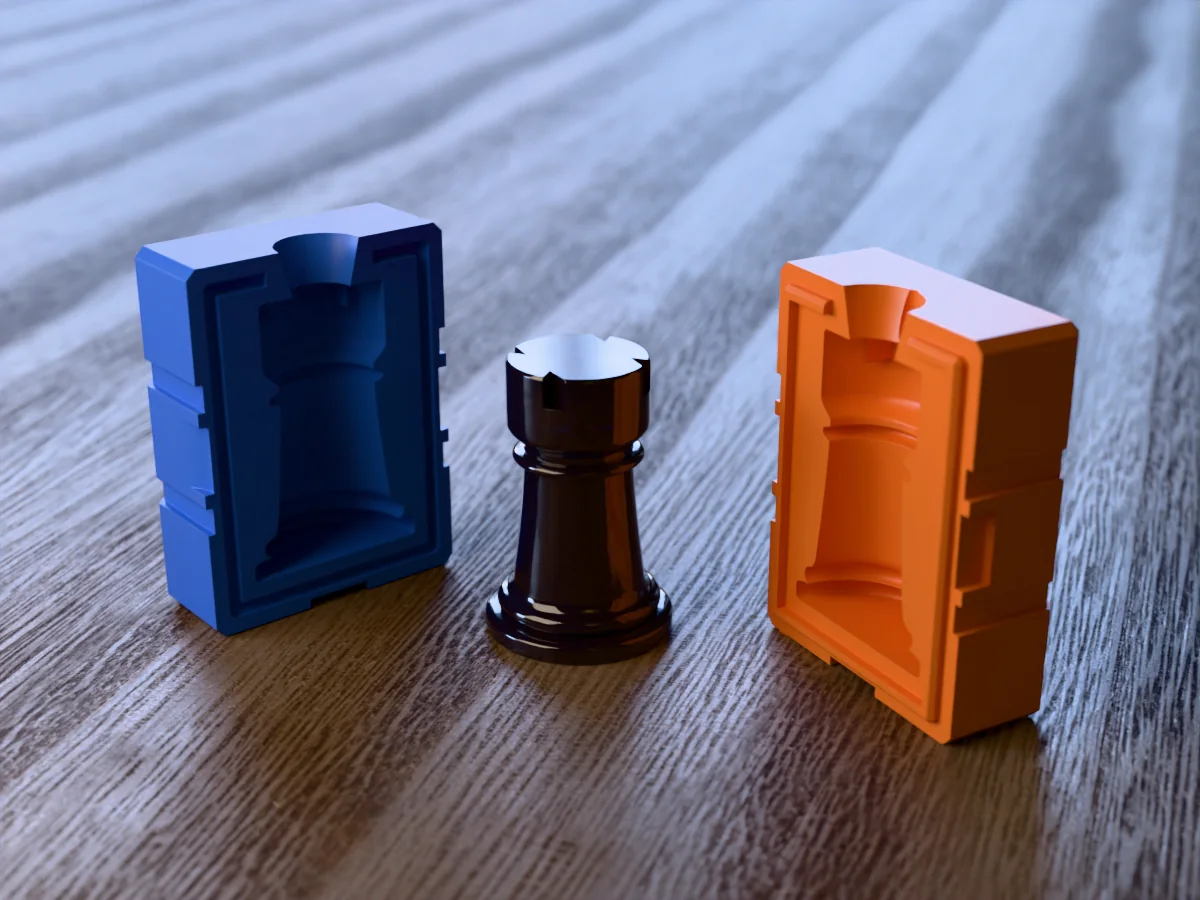
A 57 mm Staunton chess rook with four crenels, from a rigid two-part print. Cast it in resin, no silicone.
 ResinPro early access
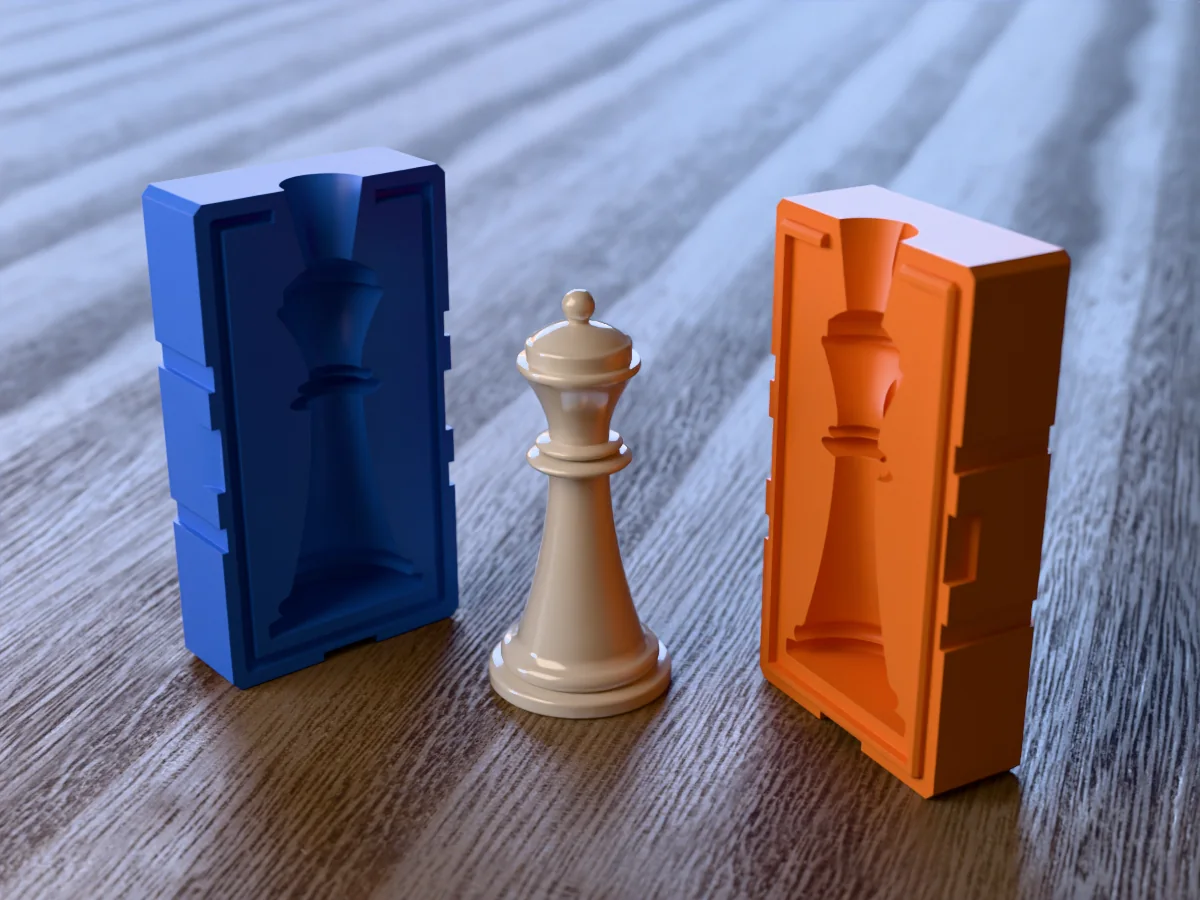
An 88 mm Staunton chess queen with a turned coronet, from a rigid two-part print. Cast it in resin, no silicone.
 ResinPro early access
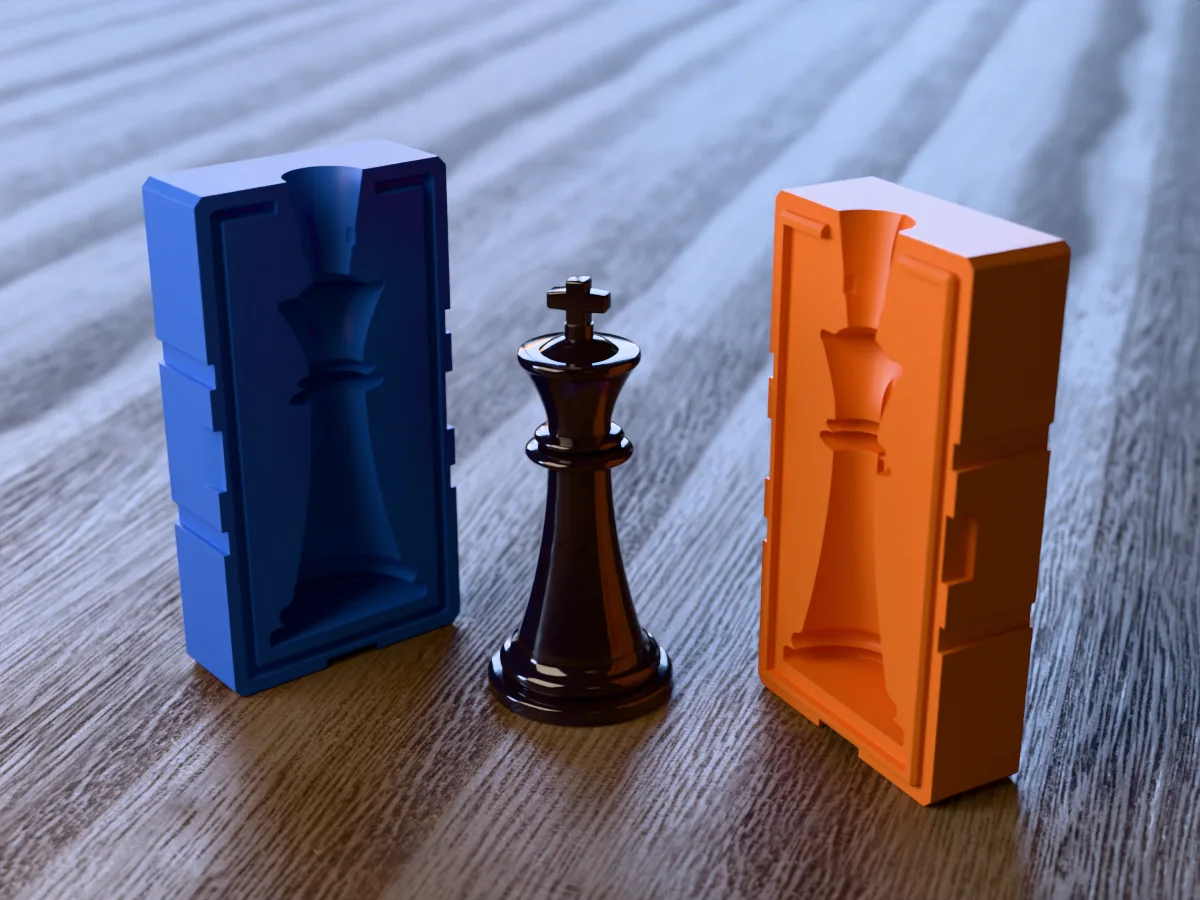
A 95 mm Staunton chess king with a cross, from a rigid two-part print. Cast it in resin, no silicone.
 ResinPro early access
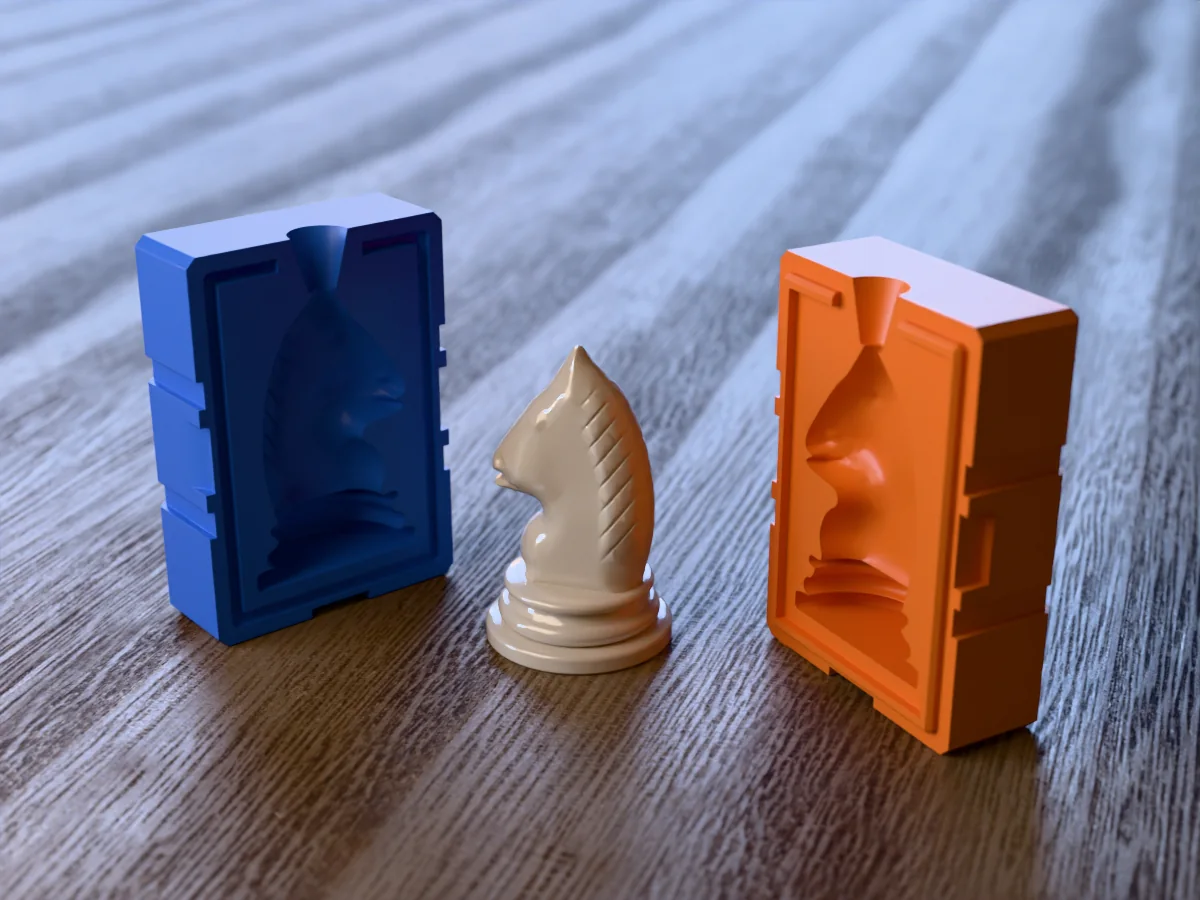
A 62 mm Staunton chess knight, its horse head drawn along the seam of a rigid two-part print. Cast it in resin, no silicone.
 ResinPro early access
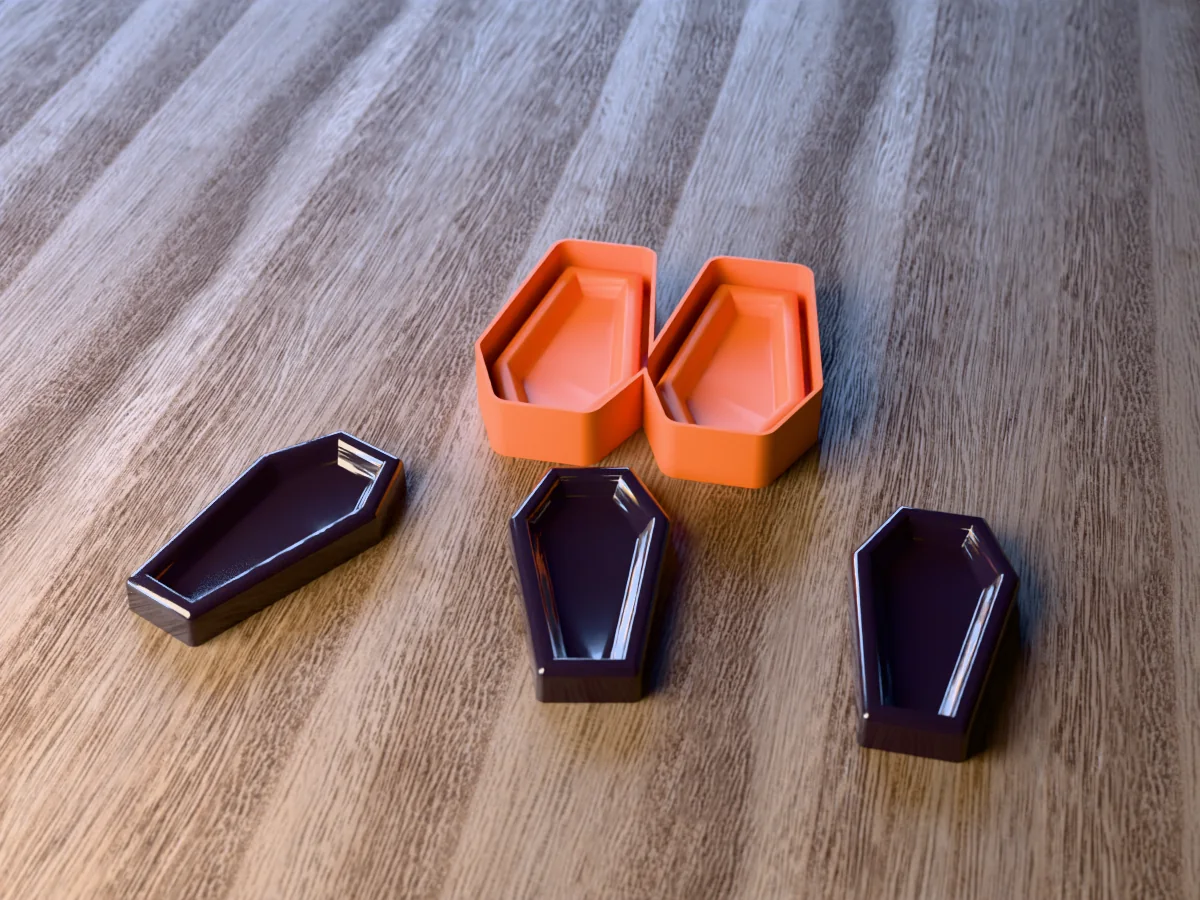
A coffin trinket dish for resin, Jesmonite or concrete. Two per pour, from a silicone tray you make yourself.
 ResinPro early access
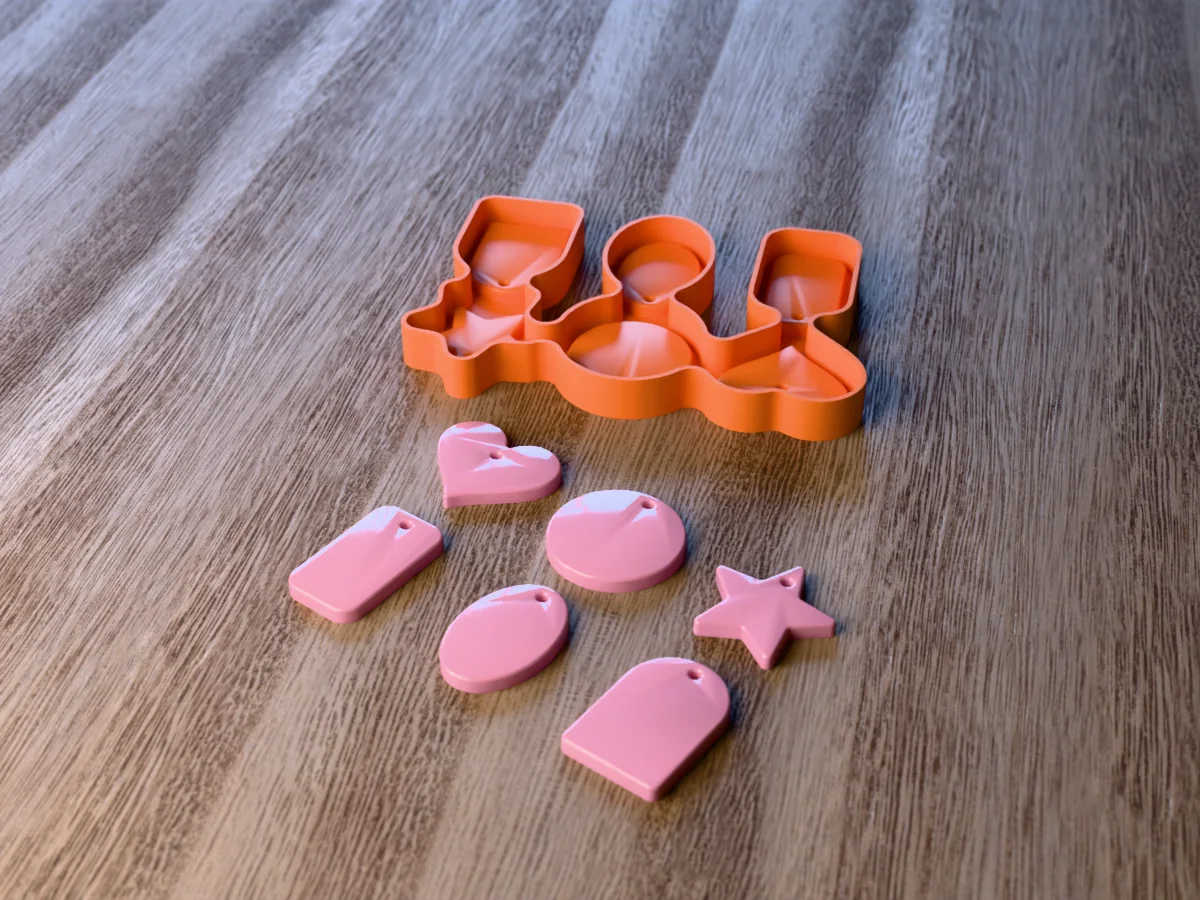
Six resin keychain blanks in one pour: heart, circle, star, dog tag, oval and arch. Each has its hole.
 ResinPro early access
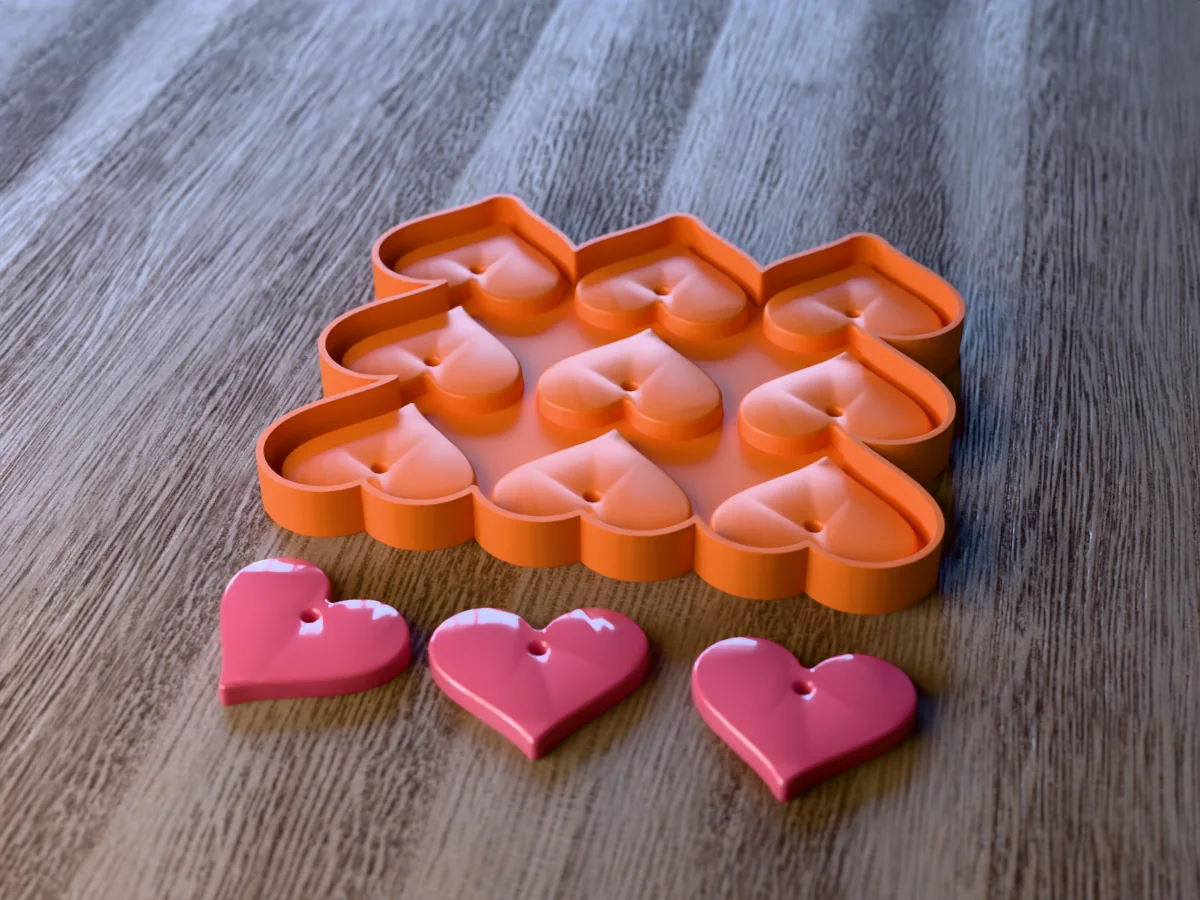
Nine heart resin keychain blanks per pour, each with a hole for the key ring. Silicone you pour yourself.
 ResinPro early access
Nine round resin keychain blanks per pour, 48 mm across with a hole for the ring. Silicone you pour yourself.