◆ Resin
Round resin coaster mold
Two 96 mm round resin coasters per pour, 7 mm deep, with a softly rounded top edge. Silicone you pour yourself.
◆ Resin
Two 96 mm round resin coasters per pour, 7 mm deep, with a softly rounded top edge. Silicone you pour yourself.
A silicone mold for round resin coasters 96 mm across (3.8 inches) and 7 mm thick, two to a tray, sized so the caster for two still prints on a 220 mm bed. The top edge of each coaster is rounded 2.5 mm, so it comes out of the mold with a soft, glossy rim that needs no sanding, and the back is the flat face you pour from.
Made with our tray mold generator in its flexible silicone tray mode: print one part, a caster, pour a platinum silicone into it and peel it out. That silicone is the coaster mold. Resin releases from platinum silicone with a mirror face and no release agent, and a flexible mold peels off a coaster without the stress that cracks a thin edge. Each coaster takes about 50 ml of resin.
Round coasters are the classic resin project: ocean waves, petri dish cells, dried flowers, geode crystals or a simple marbled pour, and a set of four makes a gift. At 7 mm, use a deep-pour casting resin in one go, or a coating resin in two or three thin layers. The zip carries the printed caster exactly as the tool exported it, one coaster on its own as an STL, the master uploaded to the tool, and a print and pour sheet with the silicone figure the tool measured.
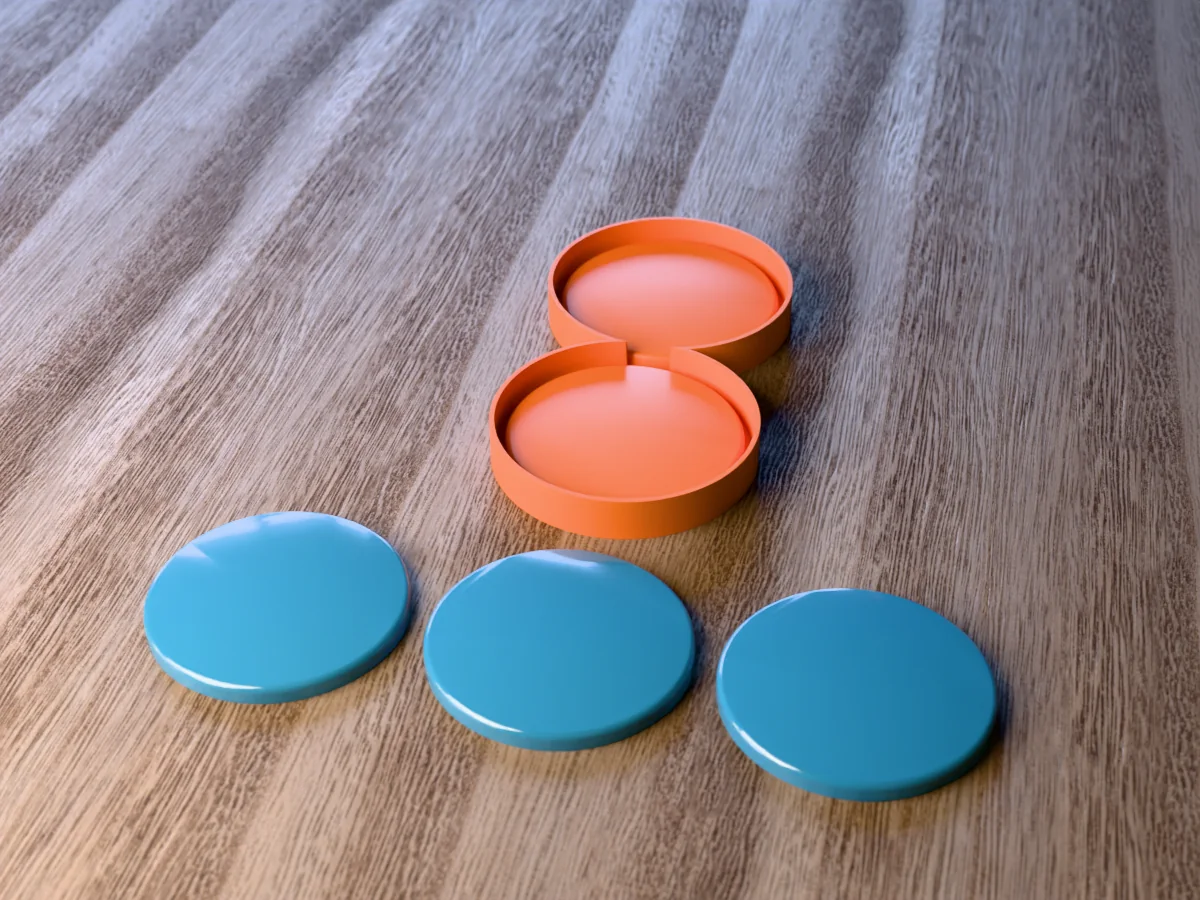
Shown as a 3D render of the printed caster with three ocean blue resin coasters in front, not a photo.
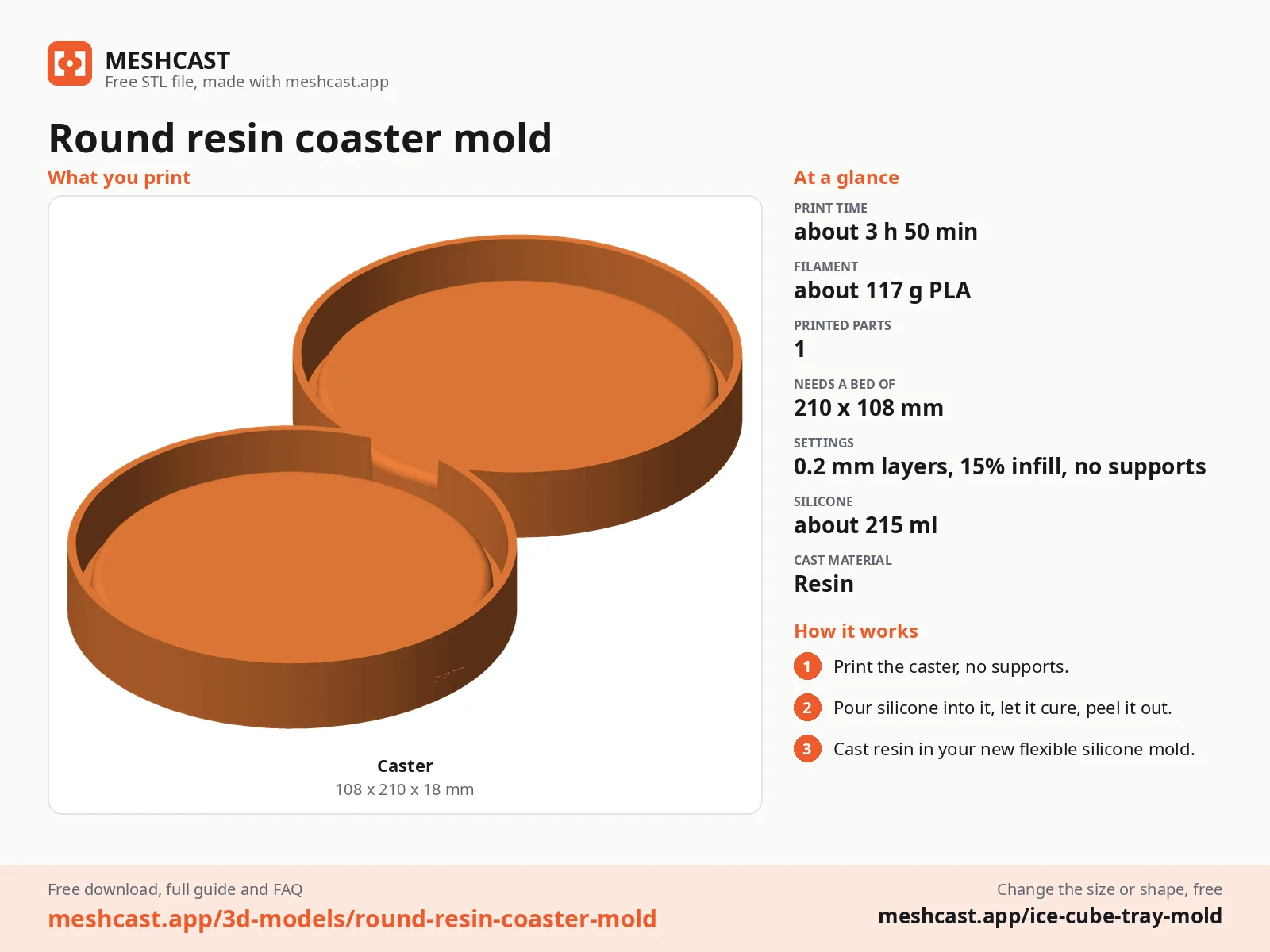
Print the caster as exported, open side up, no supports. Turn on ironing for the top surfaces, or sand the raised shapes smooth and brush on XTC-3D: the silicone copies every layer line, and resin shows each one on its glossy face.
Mix 215 ml of platinum silicone and pour it into one corner of the caster in a thin stream until it covers the shapes to the rim. Tap out the bubbles, let it cure as long as its datasheet says and peel it out. That silicone is your resin mold: platinum silicone gives resin a glossy face and needs no release agent.
Set the mold on a level surface in a ventilated room, gloves on. A 7 mm coaster is a job for a deep-pour or casting epoxy in one pour. A coating (tabletop) epoxy is made for 3 mm or so: pour it in two or three layers, each once the last has gelled, or it overheats and yellows.
Mix about 50 ml per coaster, stir slowly for three minutes, add colour, mica or inclusions, and pour each cavity level with the rim. Remember the side against the silicone is the top of the coaster.
Pass a heat gun or torch over the surface after five minutes and again after fifteen to pop the bubbles, then cover the mold against dust and leave it 24 to 72 hours, as long as your resin says.
Flex the mold and peel it off the coaster. Sand the back flat if it has a lip, add cork or felt pads, and let the coasters cure a full week before a warm mug goes on them.
Print details
| Cast material | Resin |
|---|---|
| Printed parts | 1 |
| Size (W x D x H) | 108 x 210 x 19 mm |
| Print bed needed | 210 x 108 mm, 19 mm tall |
| Filament | ~117 g |
| Layer height | 0.2 mm |
| Infill | 15% |
| Supports | Not needed |
| Download | ZIP: printed caster (STL) + one coaster (STL) + tool master (STL) + print and pour sheet |
| Added | 2026-09-27 |
Pro early access until October 27, 2026, then free with any account.
Like it or post your print on Thingiverse
Make your own tray mold →Made with the free Tray mold generator. Upload your own model and get the same kind of mold built around it, in your browser.
Free for personal use. Selling the pieces you cast needs a commercial licence (Pro or Founder); passing on the file itself is not permitted on any plan. Full terms.
New to casting? Read the ice cube tray mold guide.
Pour a blue layer with a little white at one edge, let it gel for 20 to 40 minutes, then add a thin line of white resin along the edge of the blue and blow it gently with a heat gun on low: the white spreads into lacy cells that read as surf. Sand or beige resin on the other side makes the beach.
Warm mugs are fine once the resin has cured for a full week. Most epoxies soften again at 50 to 60 C, so a mug straight from the kettle can leave a ring. For hot drinks, pick a resin that states a heat resistance of 100 C or more, and add cork or felt pads to the back.
Resin shrinks slightly as it cures and pulls in from the walls, which leaves the poured back a touch concave. It does not matter on the back of a coaster, but you can top it up with a thin second pour after 24 hours, or sand the back flat and add felt pads so it sits level.
 ResinPro early access
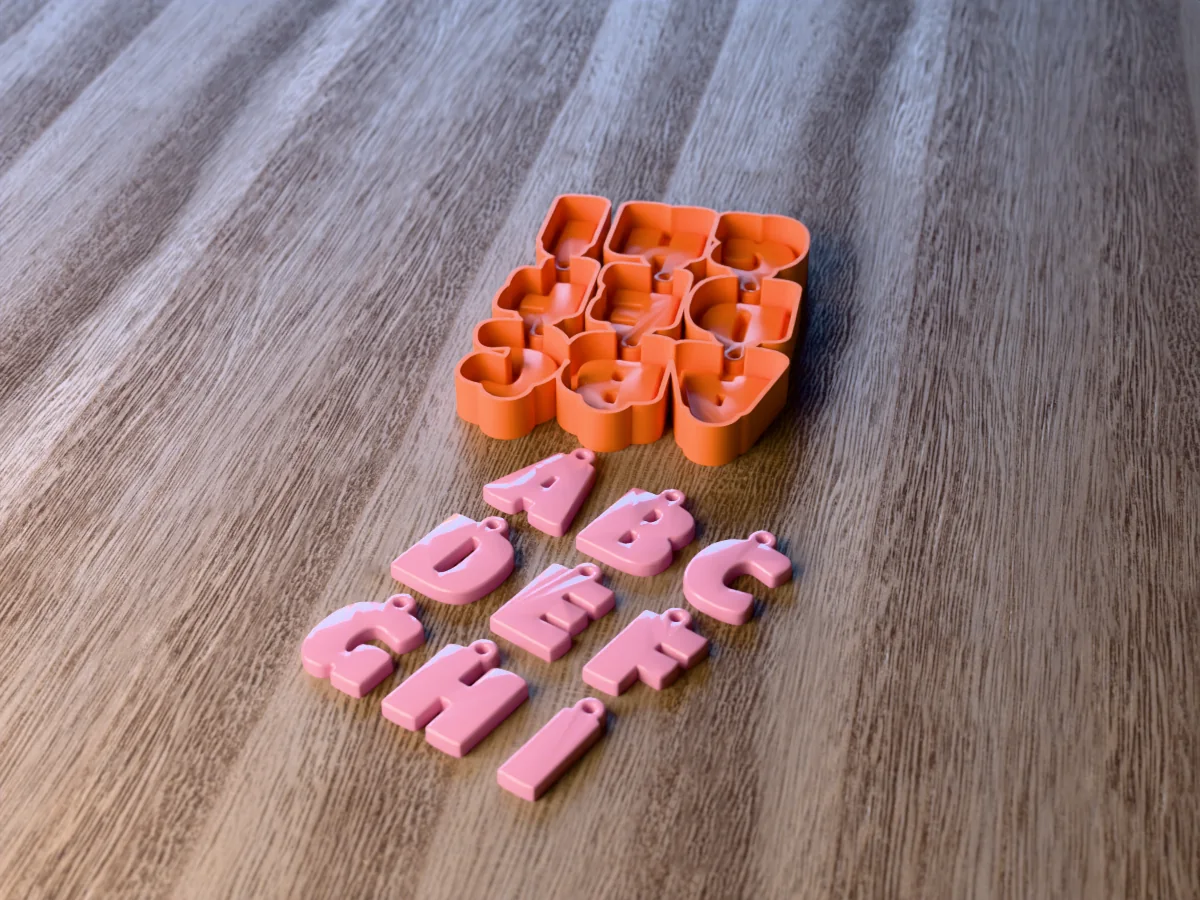
Nine bubble letter keychains, A to I, each with its own key ring hole. From a silicone mold you pour yourself.
 ResinPro early access
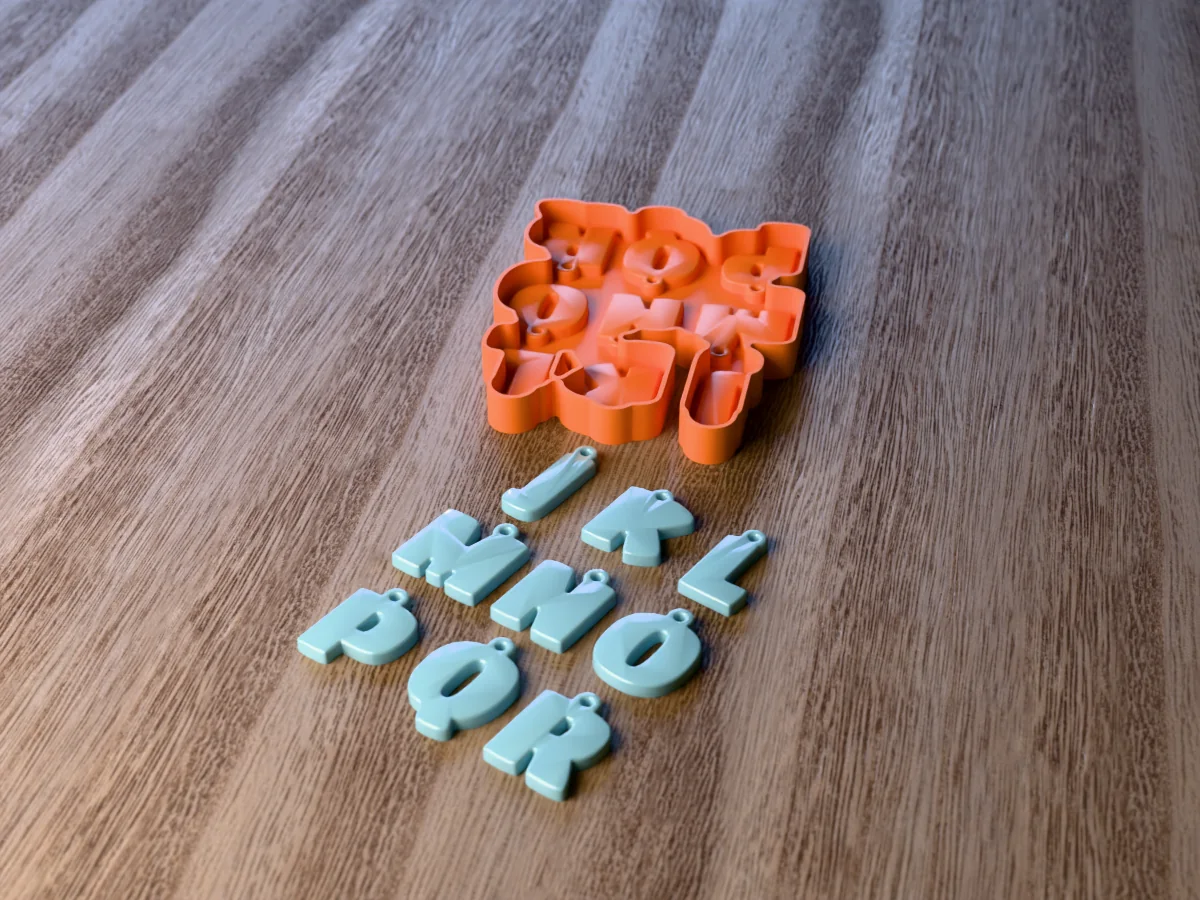
Nine bubble letter keychains, J to R, each with a key ring hole. The middle tray of a full resin alphabet.
 ResinPro early access
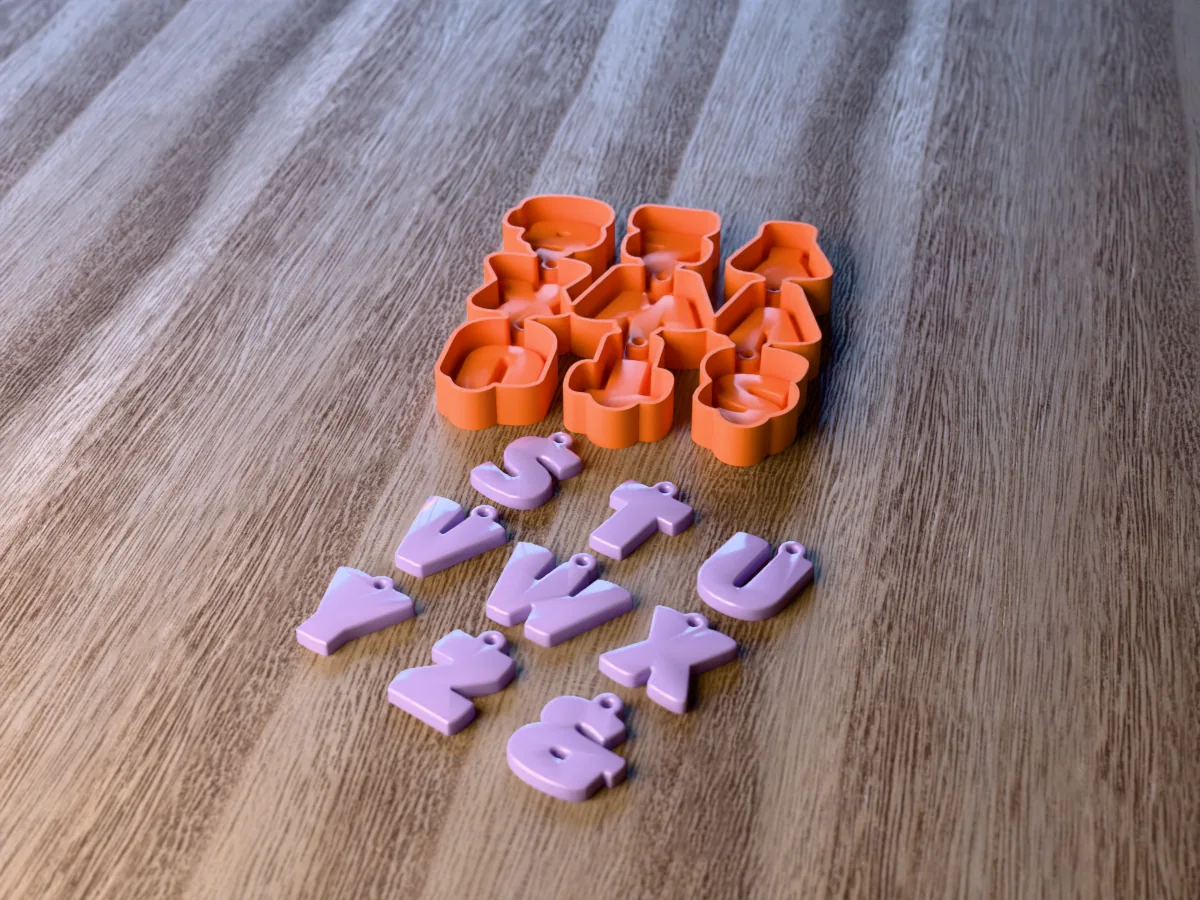
Eight bubble letter keychains, S to Z, and an ampersand, each with a key ring hole. Finishes the resin alphabet.
 ResinPro early access
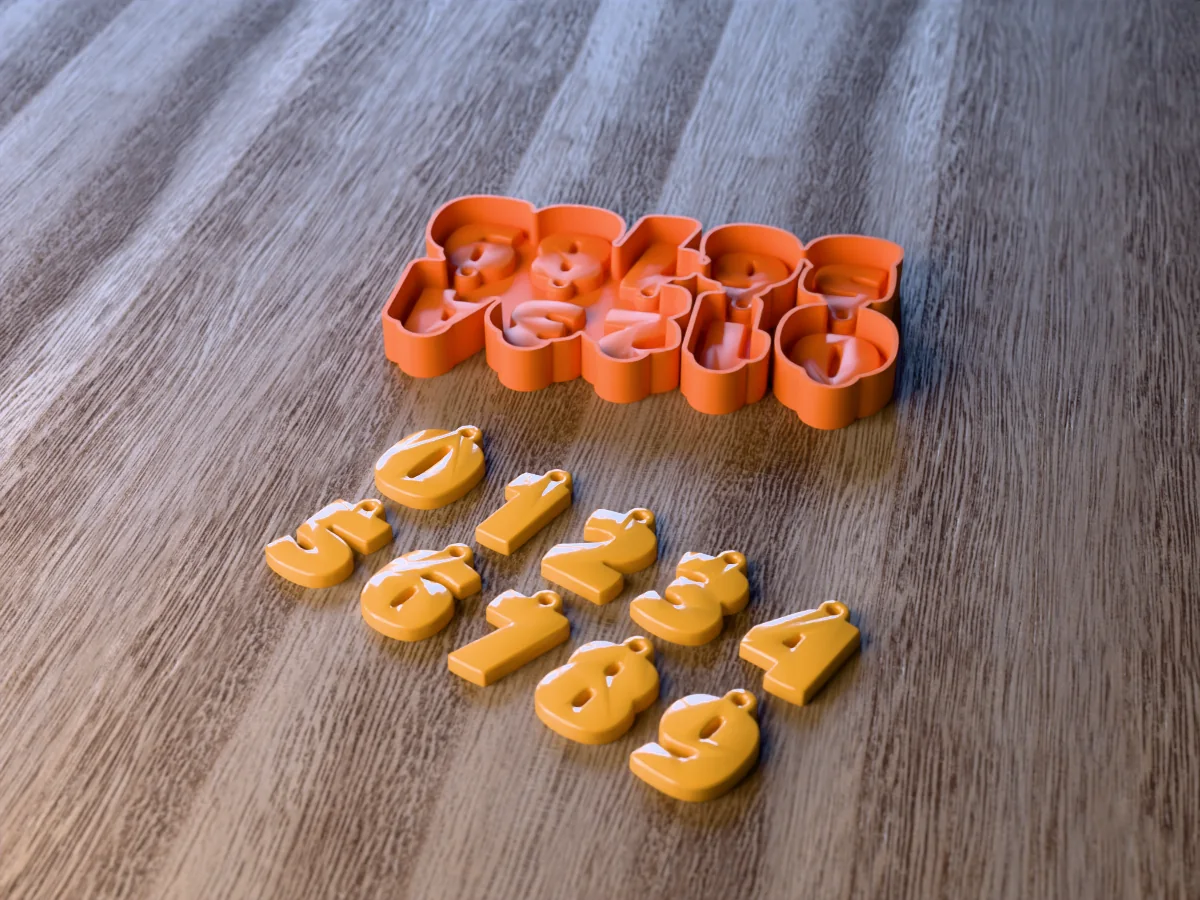
Ten bubble number keychains, 0 to 9, each with a key ring hole. Birthdays, jersey numbers and house keys.
 ResinPro early access
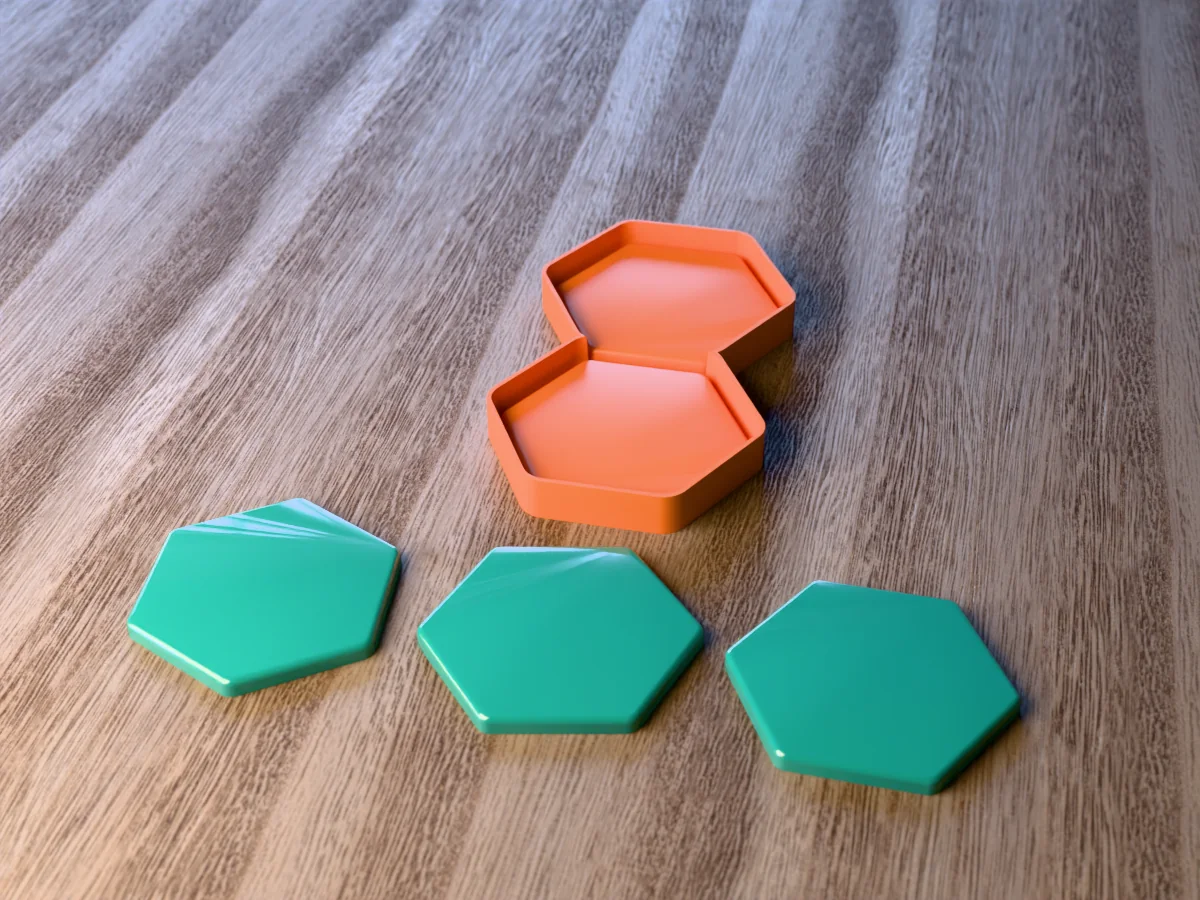
Two hexagon resin coasters per pour, 94 mm across the flats and 7 mm deep. Silicone you pour yourself.
 ResinPro early access
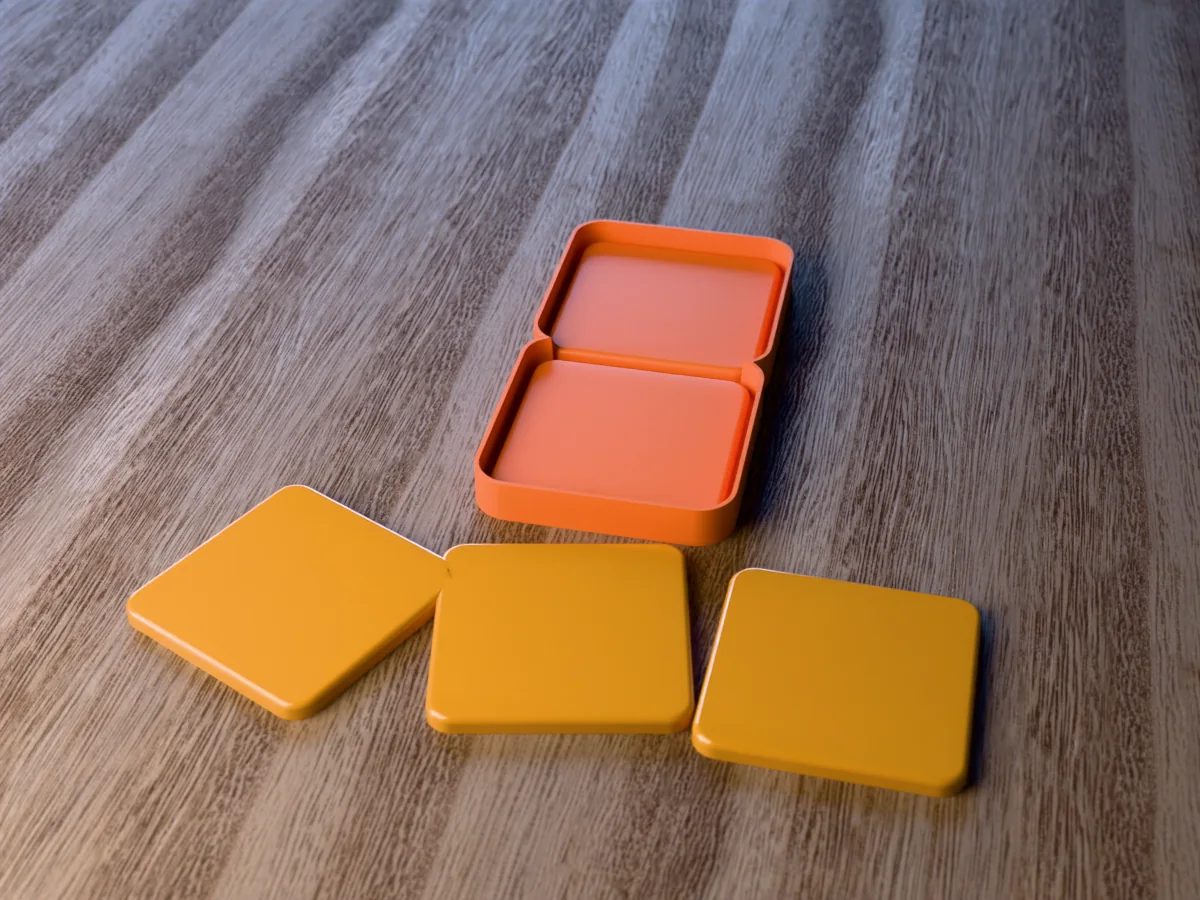
Two 96 mm square resin coasters per pour, 7 mm deep, with rounded corners and edge. Silicone you pour yourself.
 ResinPro early access
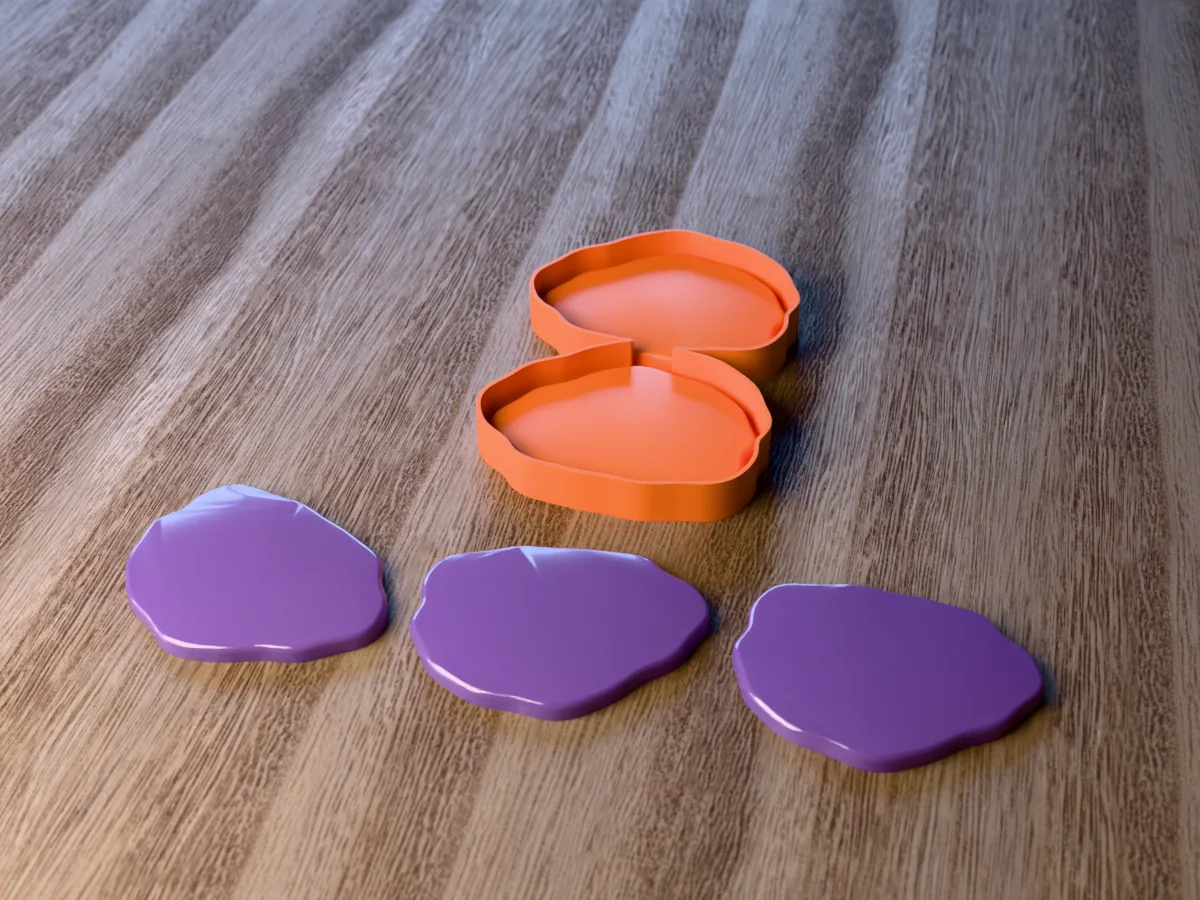
Two agate slice resin coasters per pour: an irregular stone outline 112 x 90 mm, 7 mm deep. Silicone you make.
 ResinPro early access
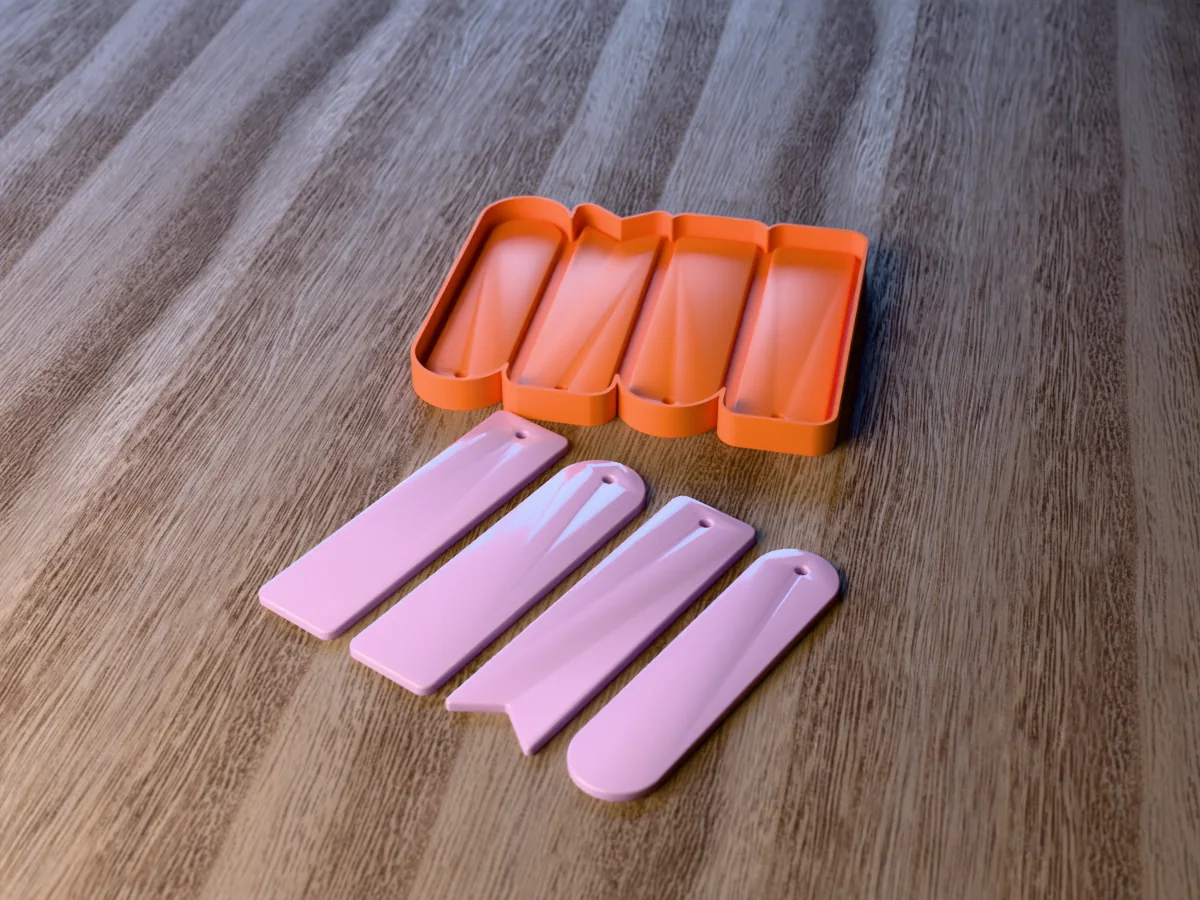
Four resin bookmarks per pour: rectangle, arch, ribbon tail and capsule, each with a tassel hole.