Make a candle of your face from a photo
This guide was drafted with AI assistance.
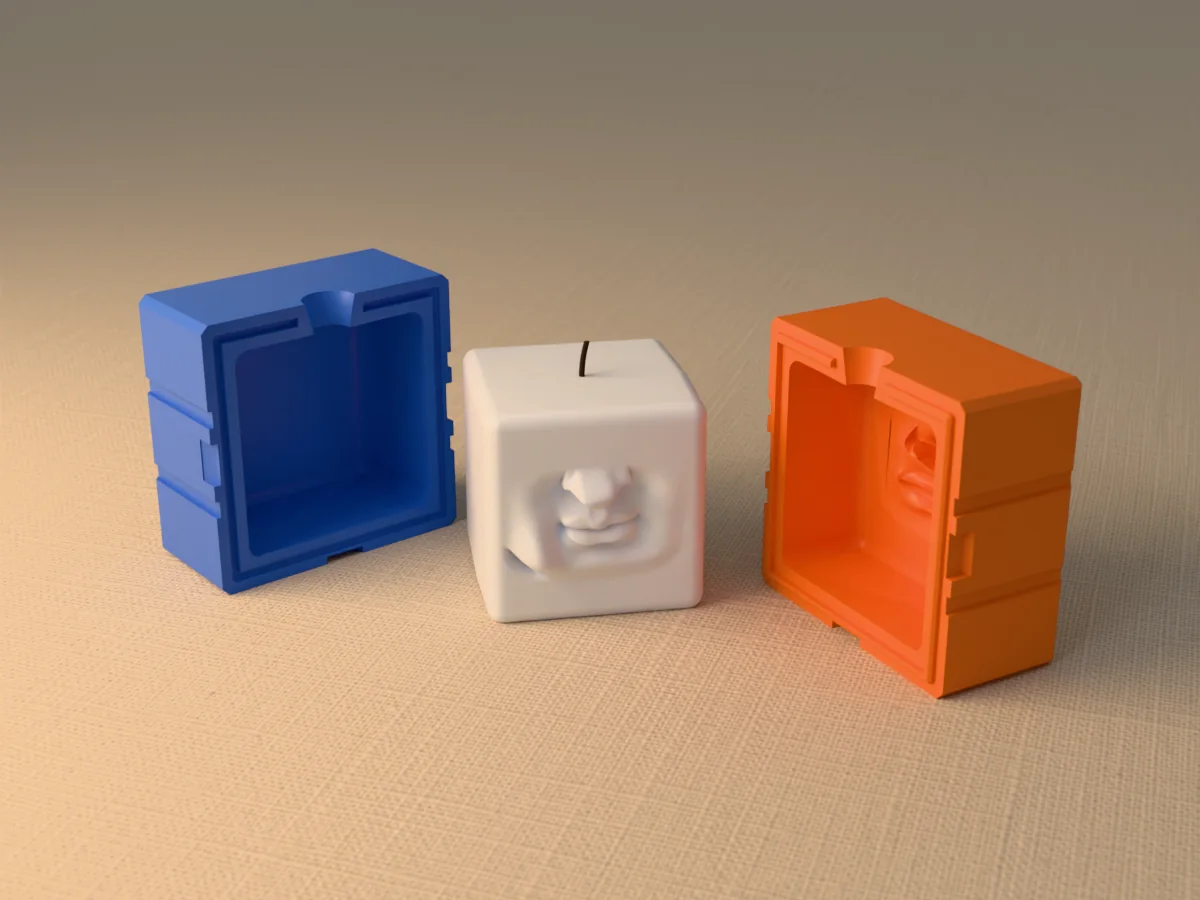
You can make a face candle of anyone from one photo: the Meshcast head generator turns the photo into a 3D bust, one click sends it to the silicone mold maker, you print the mold shell, pour silicone, and then cast as many candles, soaps or plaster heads as you like. No sculpting, no scanning.
The short answer
- Photo to 3D bust in the head generator (Bust template).
- "Use in a mold generator" opens the bust in the silicone mold maker, which builds a printable shell around it.
- Print the bust and the shell, pour silicone between them, let it cure.
- Pour wax with a wick (or melt-and-pour soap) into the silicone mold. Repeat.
Why a silicone mold
A face is full of undercuts: the nose, the ears, the chin and the back of the hair all hook into a rigid mold and lock the cast inside. Silicone stretches past them and springs back. A rigid printed mold only works for a very smooth, simplified head, and the rigid box mold shows the undercuts before you print. The undercuts guide explains why.
1. Make the head
- Photo: straight at the camera, soft light, nothing over the face. Extra photos from the side or back (up to three) give the hair a real shape.
- Style: Realistic for a classical bust, Cartoon for something softer. Colour does not matter here: choose One color, the wax gives the colour.
- Template: Bust. It stands on a flat cut under the neck, which becomes the pour opening of the mold.
- Size: 70 to 90 mm tall is a typical face candle; past about 100 mm the silicone bill grows fast.
2. Make the mold
- On the finished head, press Use in a mold generator. The bust opens in the silicone mold maker's contoured mode: a two-part shell that follows the head, so it needs much less silicone than a square box.
- Leave the defaults for a first mold. The tool places the pour hole and the registration keys that line the two halves up; the flat neck is the side it stands on.
- Print the master (the head itself) and the shell parts. PLA is fine; 0.12 mm layers on the master, because every layer line ends up on the candle.
- Sand or prime the master if you want a glassy candle. Silicone copies everything.
3. Pour the silicone
- Platinum-cure silicone, Shore 10A to 20A, for candles and soap. Softer releases the nose and ears more easily; harder holds the shape of a large head. Tin-cure works for wax but smells and shrinks; see platinum vs tin cure.
- Some PLA and resin prints stop platinum silicone curing at the surface. A coat of clear acrylic or shellac on the master prevents it; the silicone not curing guide has the details.
- Mix by weight, pour slowly into one low point, let it cure (often 4 to 24 hours, read your kit), then open the shell and peel the silicone off the master.
- The full walk-through is in the silicone mold guide.
4. Cast wax or soap
- Wax: a pillar or sculpture blend (paraffin or a soy-paraffin blend) holds detail best; pure container soy is too soft. Pour at roughly 70 to 80 °C, after the wick is threaded through the top of the head and centred at the neck.
- Soap: melt-and-pour base at about 60 °C. Spritz the mold with rubbing alcohol first to burst bubbles in the face.
- Plaster or concrete: works too, for a bookend or a planter look.
- Let it set fully before peeling; a face tears at the nose if you rush. The candle making guide covers wicks, fragrance load and curing.
Why no other face generator does this
PrintPal, Bambu MakerLab, Meshy and STLAI all stop at the 3D file. To mold it you export the STL, cut a flat base, find a mold tool and set it up. Meshcast was built as a mold tool first, so the head generator hands its bust straight to the mold makers: the same face can become a candle, a soap, a plaster bust and a printed figure without leaving the site. If you already have a head from another tool, the silicone mold maker takes any STL.
What a photo can become
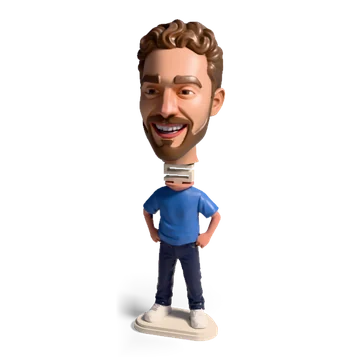
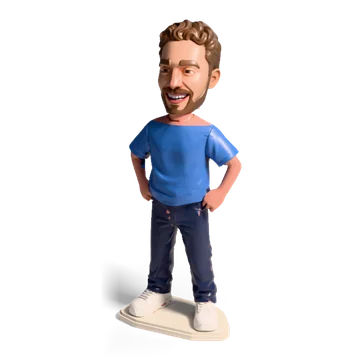
Open the head generator →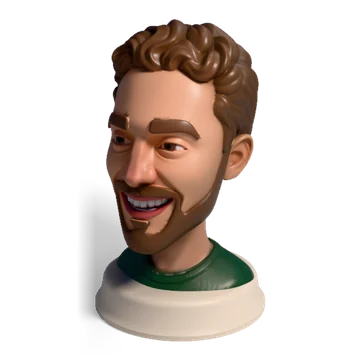



Questions
Can I make a candle of someone's face from a photo?
Yes. Make a 3D bust from the photo with the Meshcast head generator, send it to the silicone mold maker, print the master and the mold shell, pour silicone, and cast wax with a wick in the silicone mold.
What silicone should I use for a face candle mold?
Platinum-cure silicone around Shore 10A to 20A. It releases the nose and ears without tearing and does not shrink. Seal a PLA master with clear acrylic or shellac first so the silicone cures at the surface.
Can I use a rigid 3D printed mold instead of silicone?
Only for a very smooth, simplified head. Noses, ears and chins are undercuts that lock a cast inside a rigid mold; silicone stretches past them.
What wax works best for face candles?
A pillar or sculpture blend (paraffin, or soy-paraffin) holds fine detail and releases cleanly. Pure container soy wax is too soft for a freestanding face.
Can I make soap with the same mold?
Yes. The same silicone mold casts melt-and-pour soap at about 60 °C, plaster, concrete or resin.
Made by meshcast.app. Temperatures and cure times are typical ranges; follow the data sheet of your wax, soap base and silicone kit. Questions? Email us.