Mold release agents: what to use for every material
This guide was drafted with AI assistance.
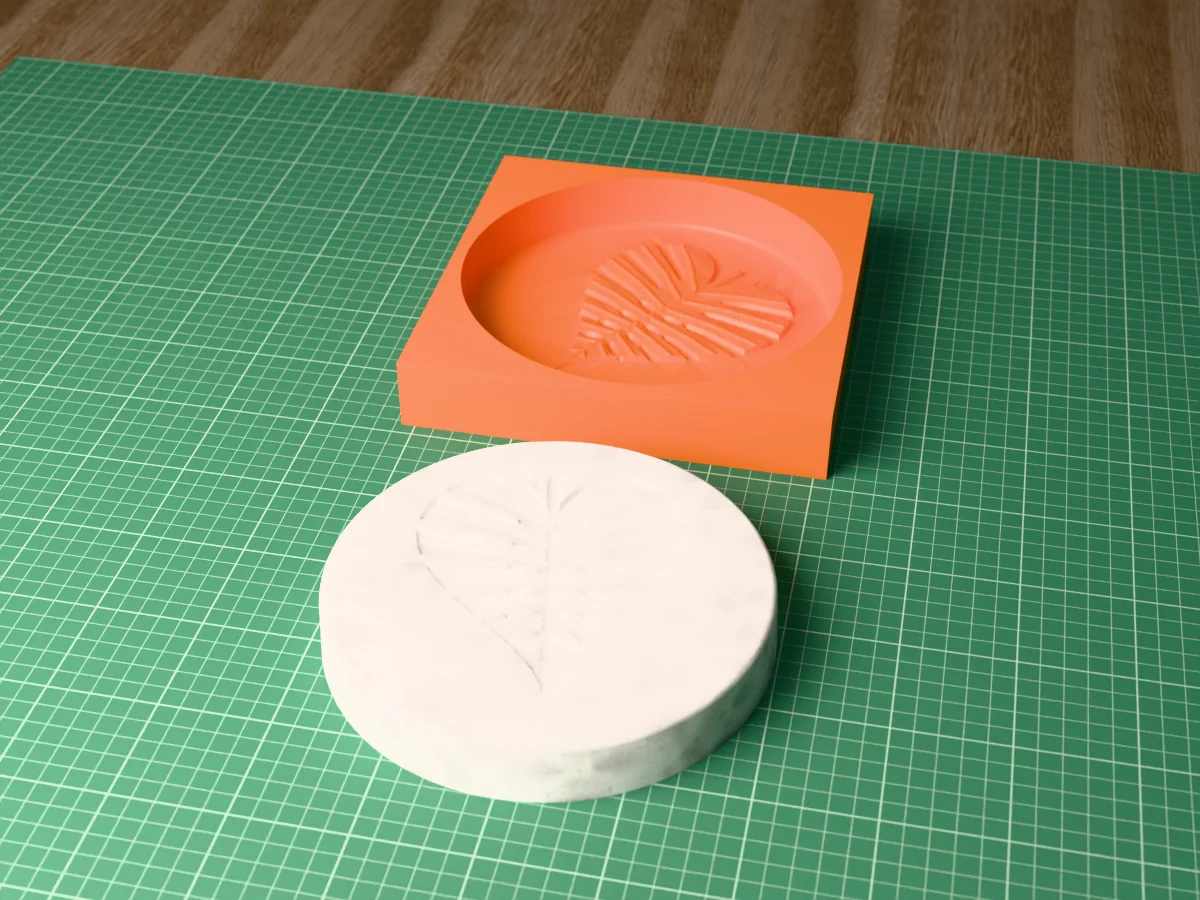
Match the release to the casting material: paste wax for resin, thin buffed oil for plaster and concrete, silicone spray for wax in rigid molds, and a dedicated silicone release when pouring silicone against silicone (oil will not stop platinum-cure from fusing). Always thin, always buffed, reapplied before every pour.
Casting material → release agent
| Casting material | Best release | Budget alternative | Avoid |
|---|---|---|---|
| Epoxy resin | Paste wax (car wax), 2–3 thin buffed coats | Petroleum jelly thinned with mineral spirits | Soap films, too weak for resin |
| Polyurethane resin | Paste wax + PVA film on top | Paste wax alone (often enough) | Skipping PVA on stubborn PU pours |
| Plaster / jesmonite | Thin mineral or vegetable oil, buffed nearly dry | Dish-soap solution dried to a faint film | Pooled oil, greasy, pitted cast surface |
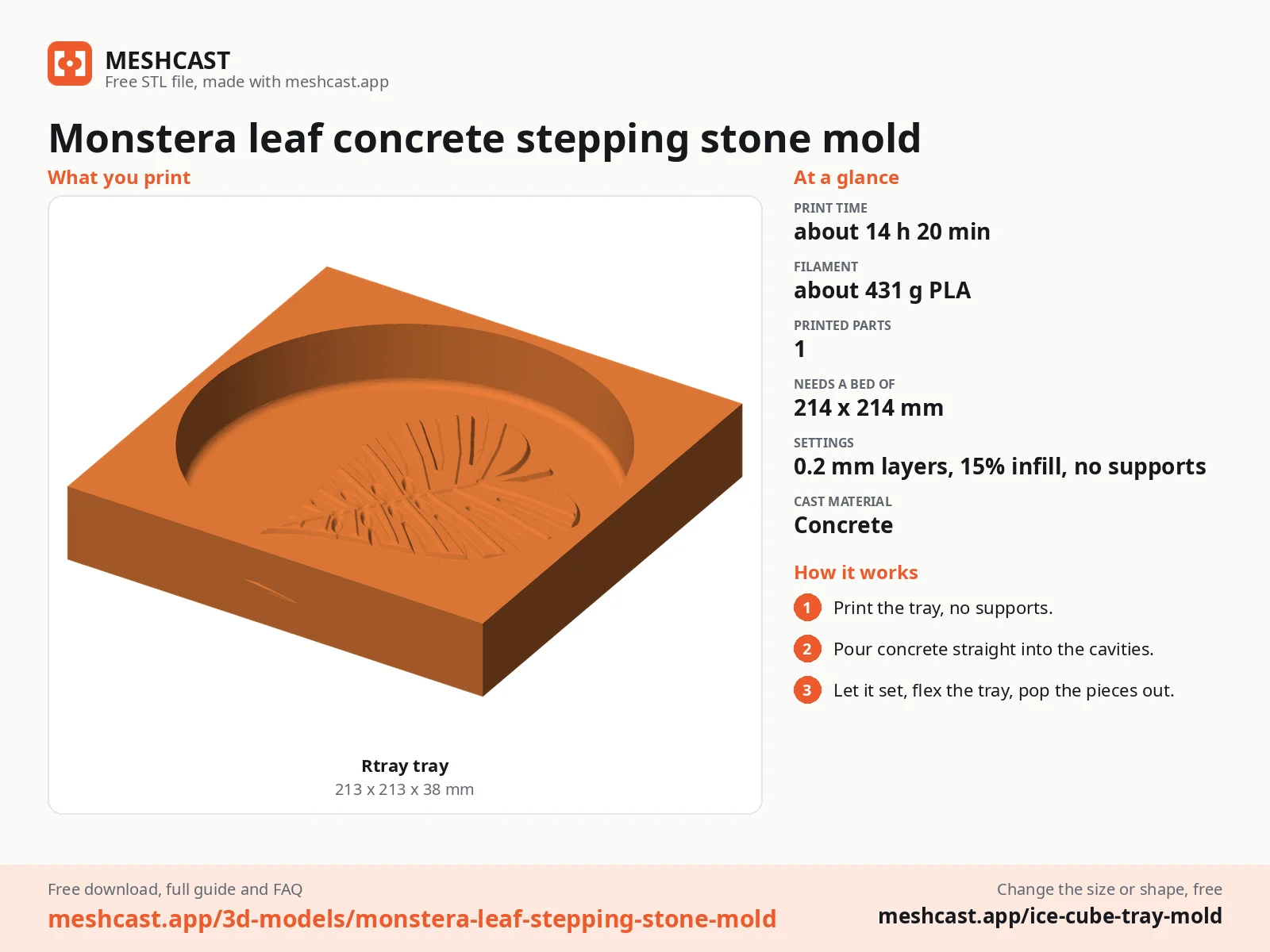
| Concrete / cement | Form-release oil, applied generously | Thin mineral oil | Dry walls, concrete is abrasive and grips hard |
| Candle wax | None in silicone; light silicone spray in rigid prints | Cooking spray | Heavy coats that pool and print onto the cast |
| Soap (CP / melt-and-pour) | None in silicone; wipe of mineral oil in rigid molds | Vegetable oil | Anything scented or pigmented |
| Silicone into silicone | Dedicated silicone-to-silicone release | Second pour in tin-cure (does not bond to platinum-cure) | Oil or soap alone, won't stop fusing |
Why printed molds grip harder than smooth molds
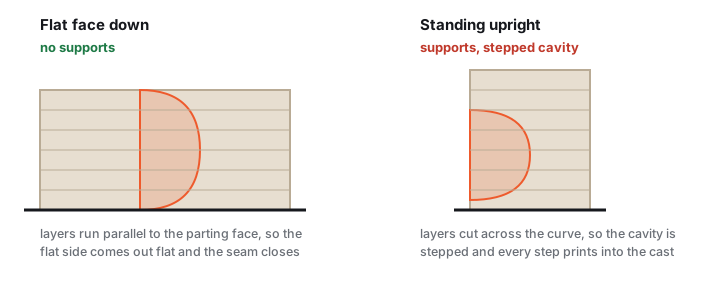
An FDM print is covered in fine horizontal ridges. Liquid casting material flows into those layer-line valleys and, once set, mechanically locks onto them, even materials that "don't stick" chemically. A release agent on a printed mold does two jobs: preventing adhesion and filling the layer-line texture so the cast can slide free.
Smoothing the cavity pays off too: a coat of epoxy or a few minutes of sanding reduces how much release you need and improves the cast surface. Some filaments (notably PP and TPU) release far more easily, see PLA vs PETG vs PP vs TPU.
Apply it right, five rules
- Start clean. Wipe out dust and old residue; bits of the last pour are anchor points for the next.
- Go thin and even. Coat the layer-line valleys, then buff nearly dry. Pooled release prints brush marks and bubbles onto the cast.
- Reach everywhere. Work agent into corners and fine detail with a soft brush, missed spots are where casts grab.
- Let it set. Wax must haze and be buffed; PVA and soap films must dry; sprays need a minute to flash off.
- Reapply per pour for resin, plaster and concrete. A buffed wax barrier can survive 2–3 pours, but a refresh is cheap insurance.
Mistakes that ruin a cast
- Too much agent, the number-one cause of poor surface finish. Thin and buffed beats thick and pooled.
- Wrong type for the material, oil against silicone-into-silicone, or soap under stubborn PU resin.
- Ignoring undercuts. No release fixes geometry that mechanically locks the cast, design draft in (see draft angles & undercuts) or use a flexible mold.
- Skipping reapplication. "It released fine last time" is how molds tear on pour number four.
- Pouring onto wet release. Trapped solvent bubbles into the cast surface.
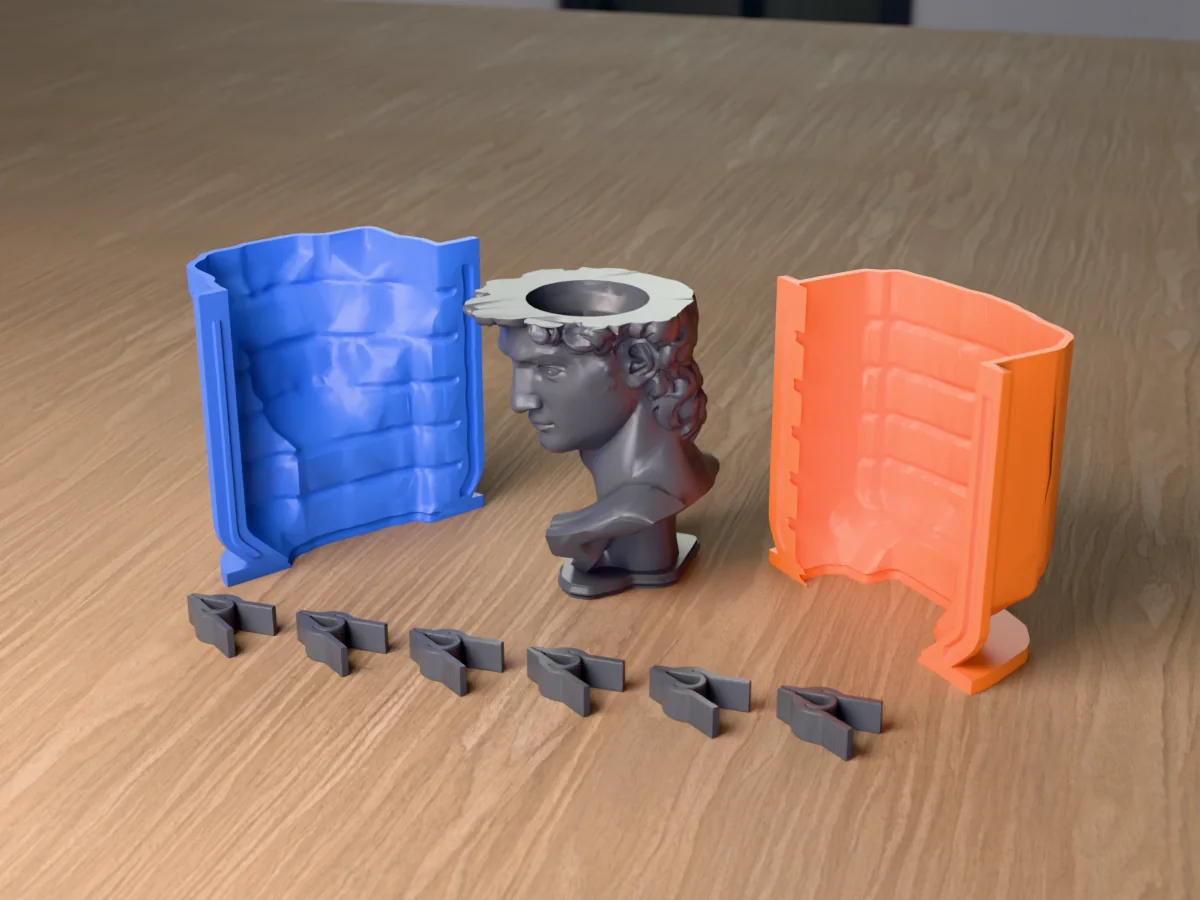
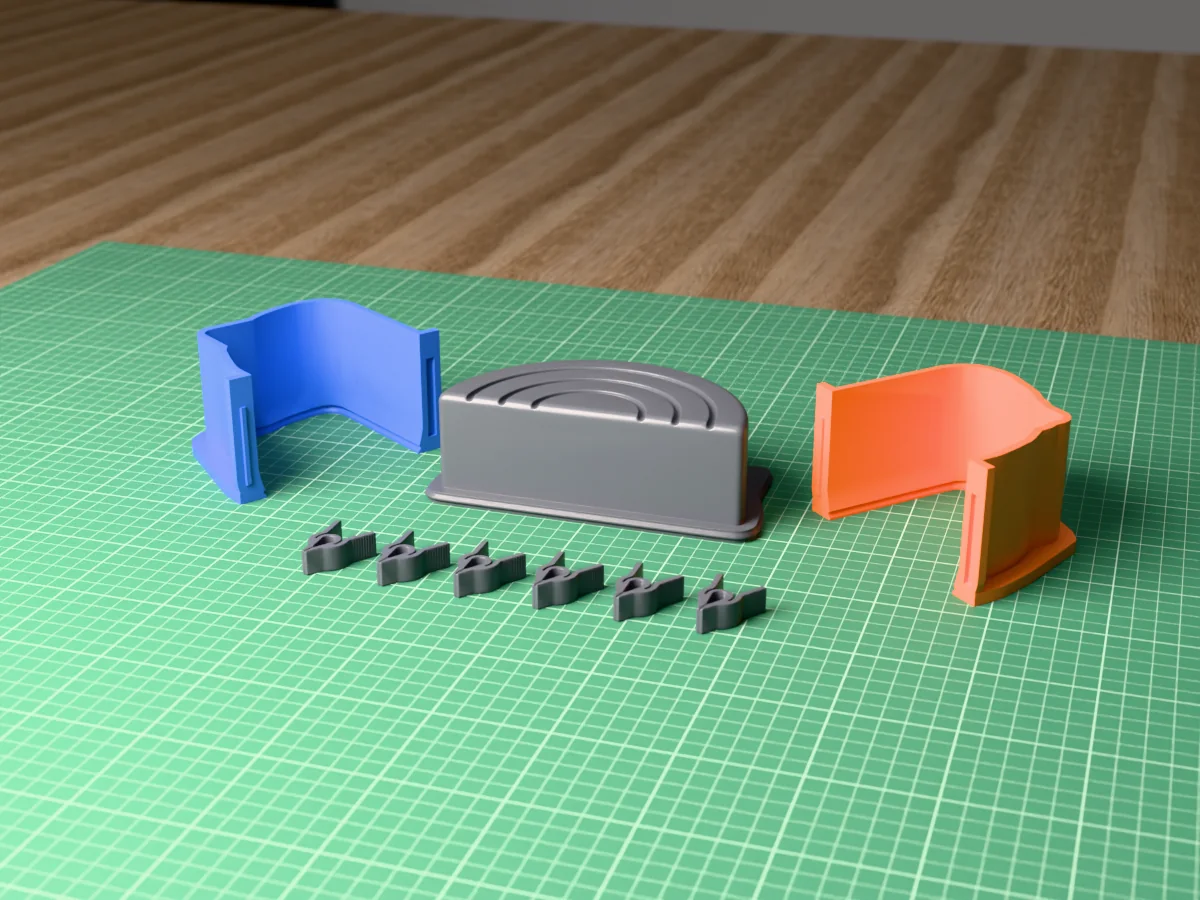
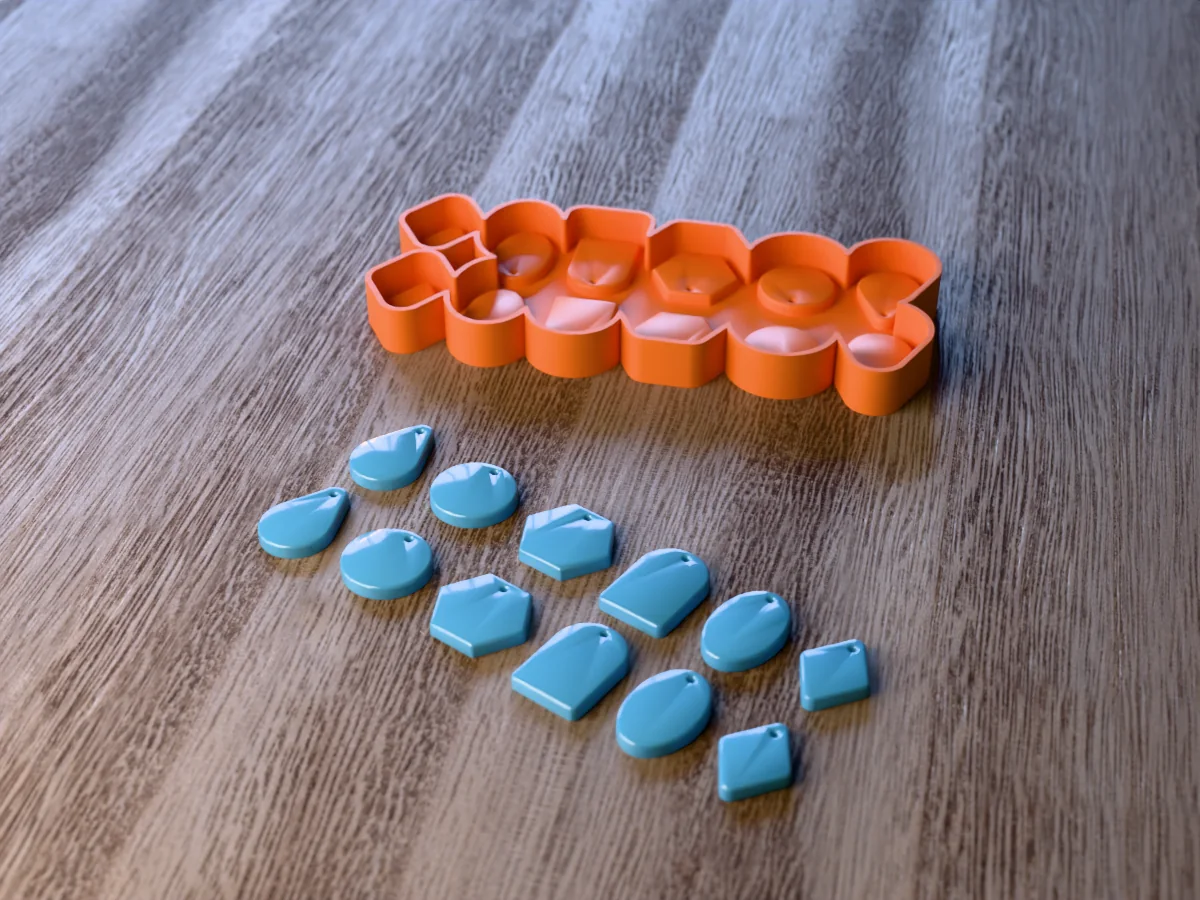
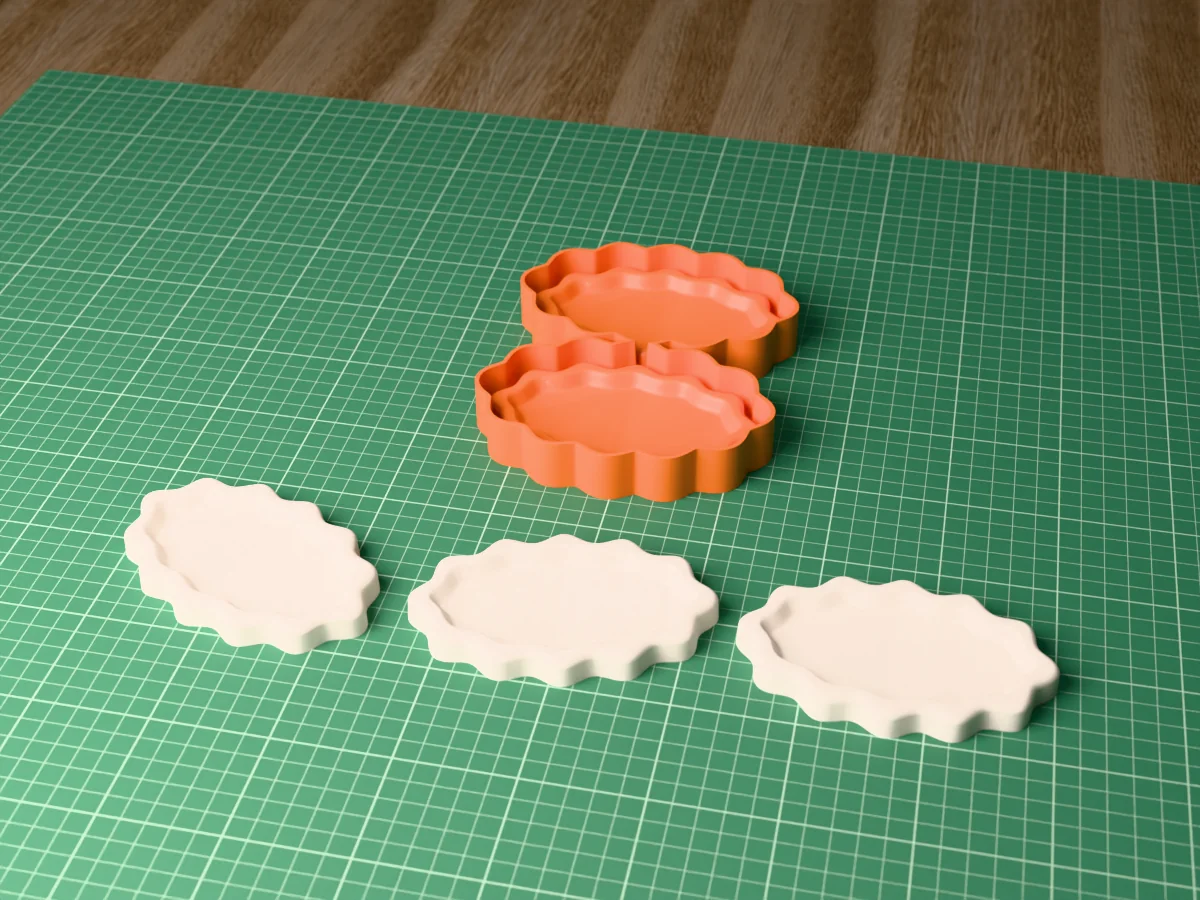
Casts that need a release agent
All free designs →
Release troubleshooting
The cast sticks even though I used release
Cause Three things, and it is usually the first: the coat was too thin and never reached the bottom of the layer-line valleys, which is exactly where the grip is.
Second Wrong type for the material. Oil on a silicone-into-silicone pour does nothing at all, and oil under a water-based mix like jesmonite makes fish-eyes.
Third Applied and then disturbed. Handling the cavity after coating wipes it off the high points, which are the first surfaces the cast touches.
Fix Brush rather than spray so you can see the coverage, work it into corners, then buff back any pooling. Pooled release blurs detail, so thin and even beats thick.
Do I need a release agent at all?
Almost always, yes, and the reason is specific to printing: FDM layer lines are tiny mechanical keys. A material that releases happily from a smooth mold will still grip a raw printed surface.
The alternative Smooth the cavity instead. Sanding, or an epoxy coat, or printing in resin removes the keys rather than filling them, and a smoothed mold needs far less release for the rest of its life.
What can I use from the kitchen or the garage?
Plaster, concrete Thin vegetable or mineral oil, wiped on and buffed almost dry.
Resin in a rigid mold Petroleum jelly thinned with a little mineral spirits, brushed in.
Repeat use A buffed paste car wax lays down a barrier that survives two or three pours.
Fine detail A dusting of talc, because a powder cannot pool the way a liquid does.
Avoid Cooking spray. It works once and then builds a residue that gets tacky.
Do I have to reapply every pour?
For resin, plaster and concrete: yes, a light coat before every pour.
Exception A buffed paste wax barrier genuinely lasts two or three pours.
It is still cheap insurance. Thirty seconds of re-coating against a cast welded into a mold you spent six hours printing is not a close call.
Made by meshcast.app. Got stuck? Email a photo and I'll help you debug.