Silicone molds vs direct-print molds: which should you use?
If you run a small 3D-printing business - or you're starting to offer custom molds alongside your regular product line - you'll hit this question early: should you print the mold directly, or use your printer to create a master and cast it in silicone? Both approaches are genuinely useful. Neither is universally better. The right answer depends on what you're making, how many you need, and what the mold is going to be poured with. This guide breaks it down so you can make the call confidently.
What we're actually comparing
Before getting into the specifics, it helps to be clear about the two workflows:
Direct-print molds - you design a mold cavity in CAD and print it as a rigid (or semi-flexible) part. The printed object is the mold. You pour wax, resin, soap, chocolate, or whatever casting material directly into it.
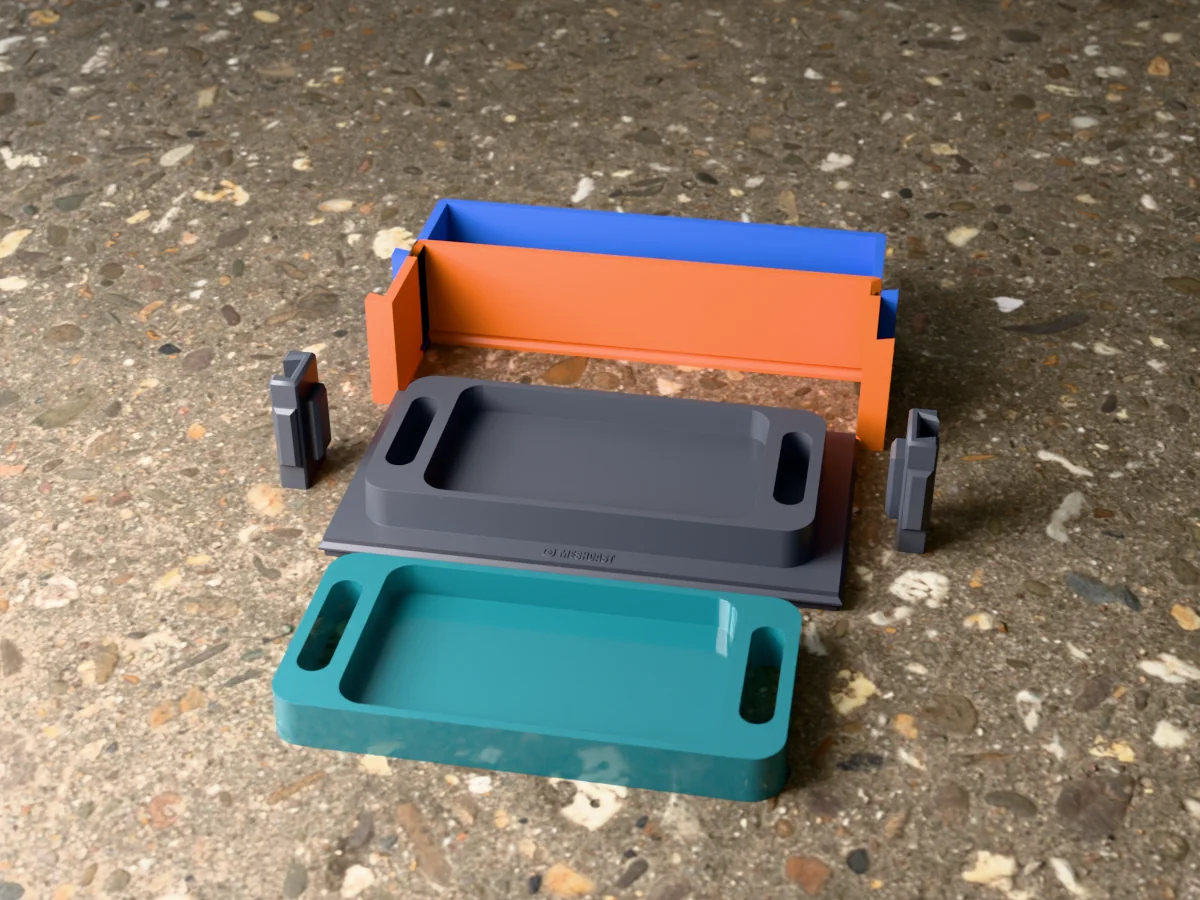
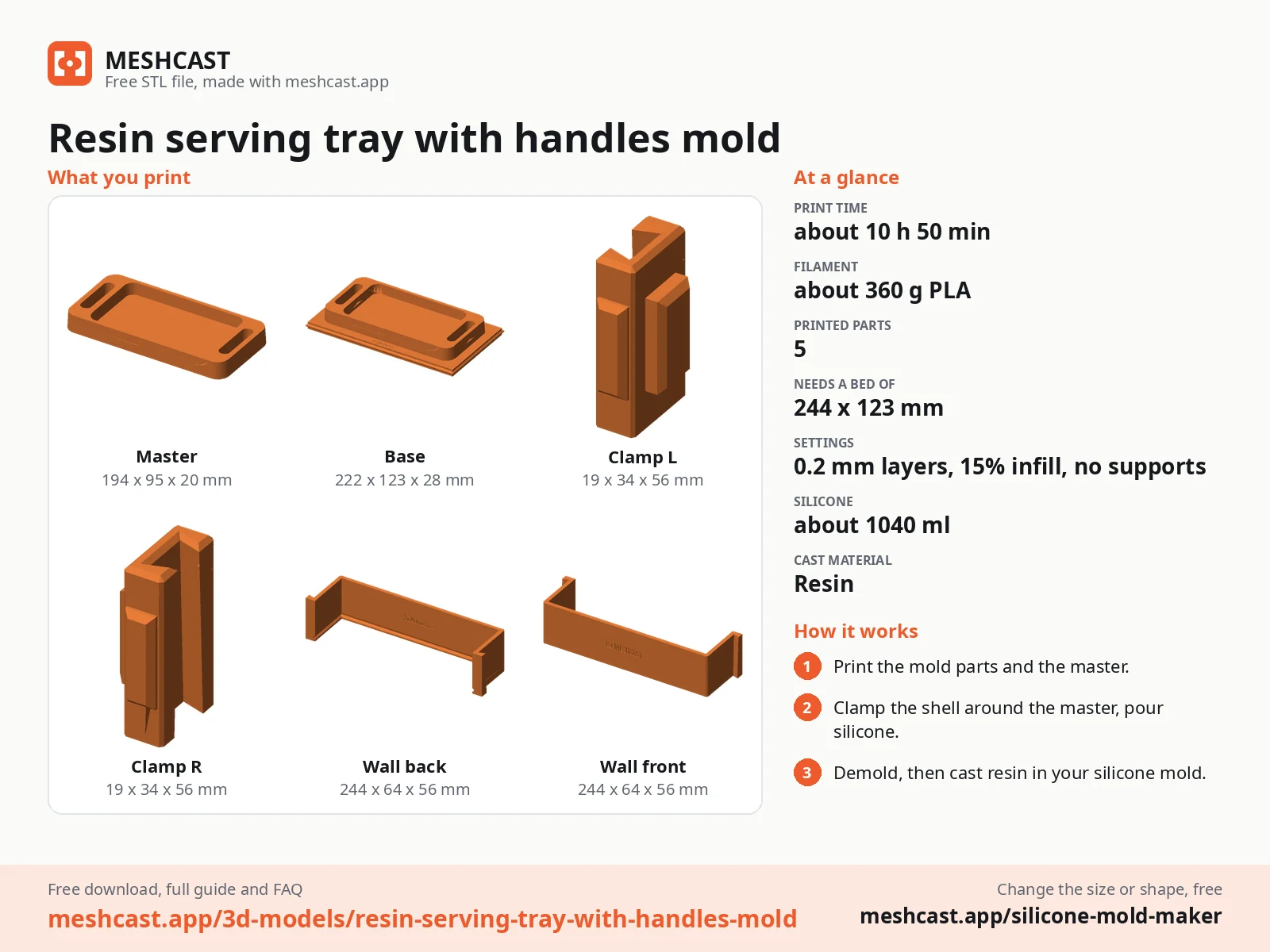
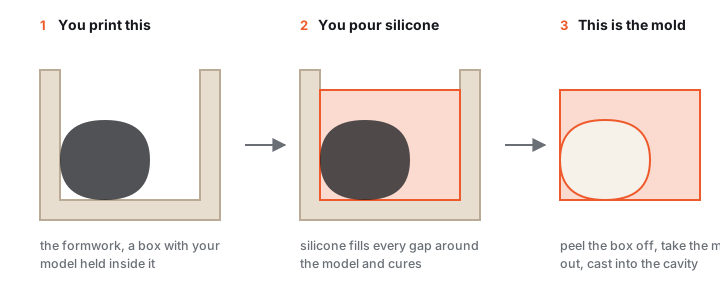
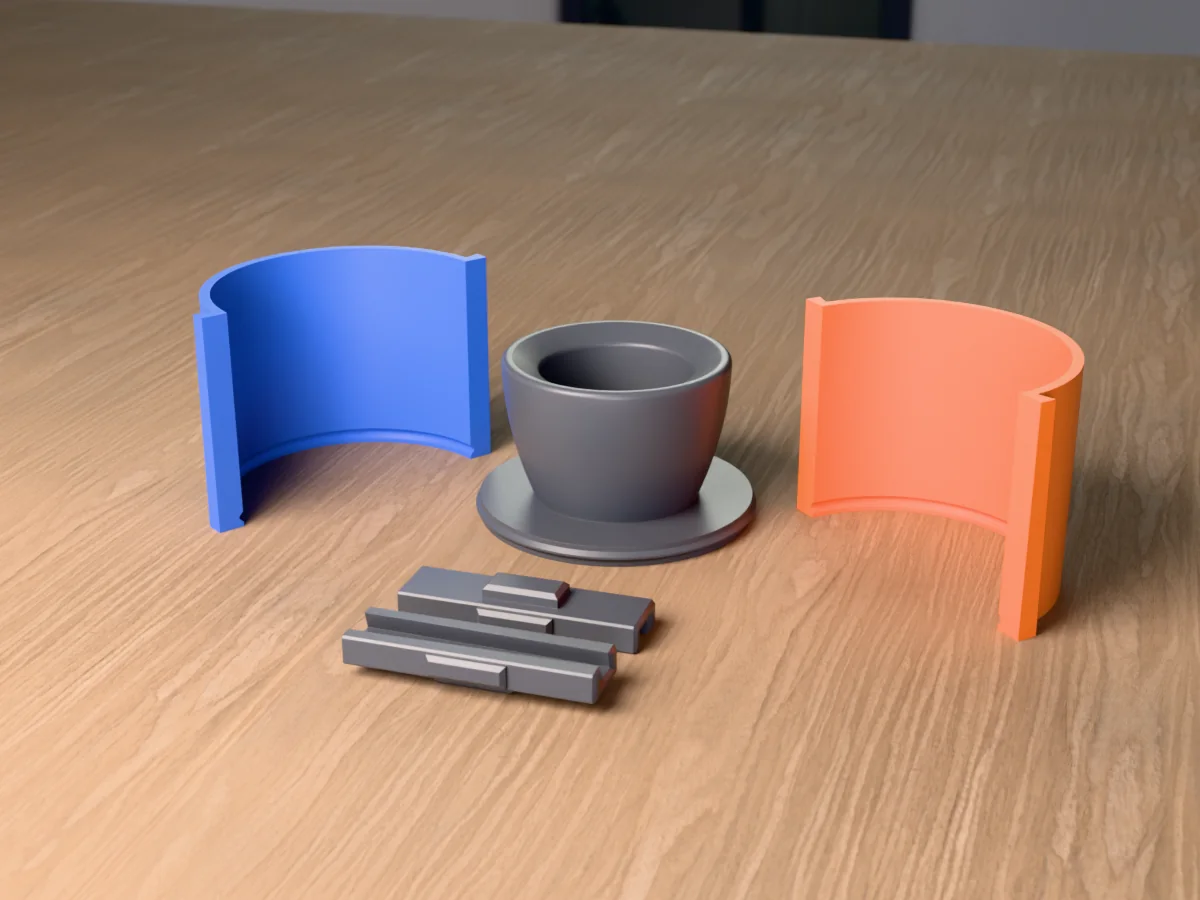
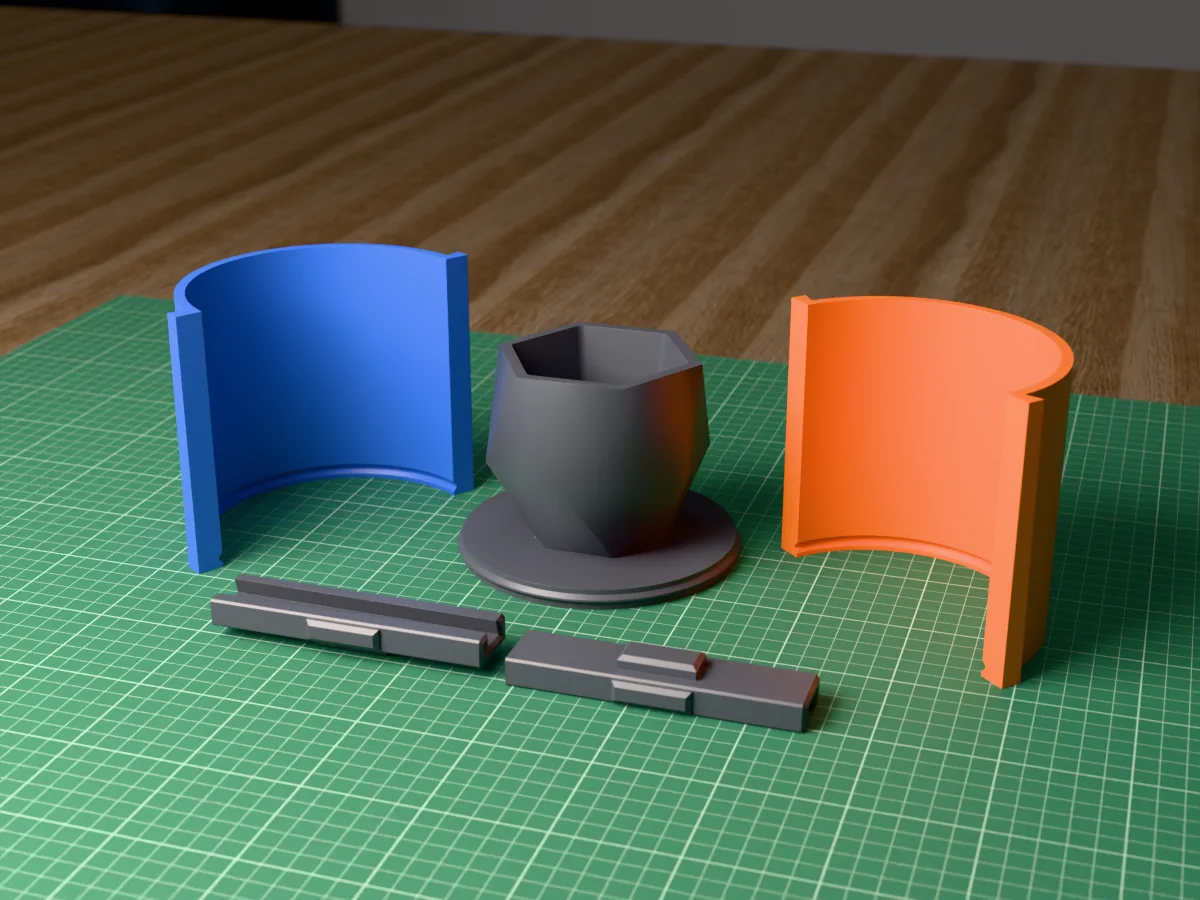
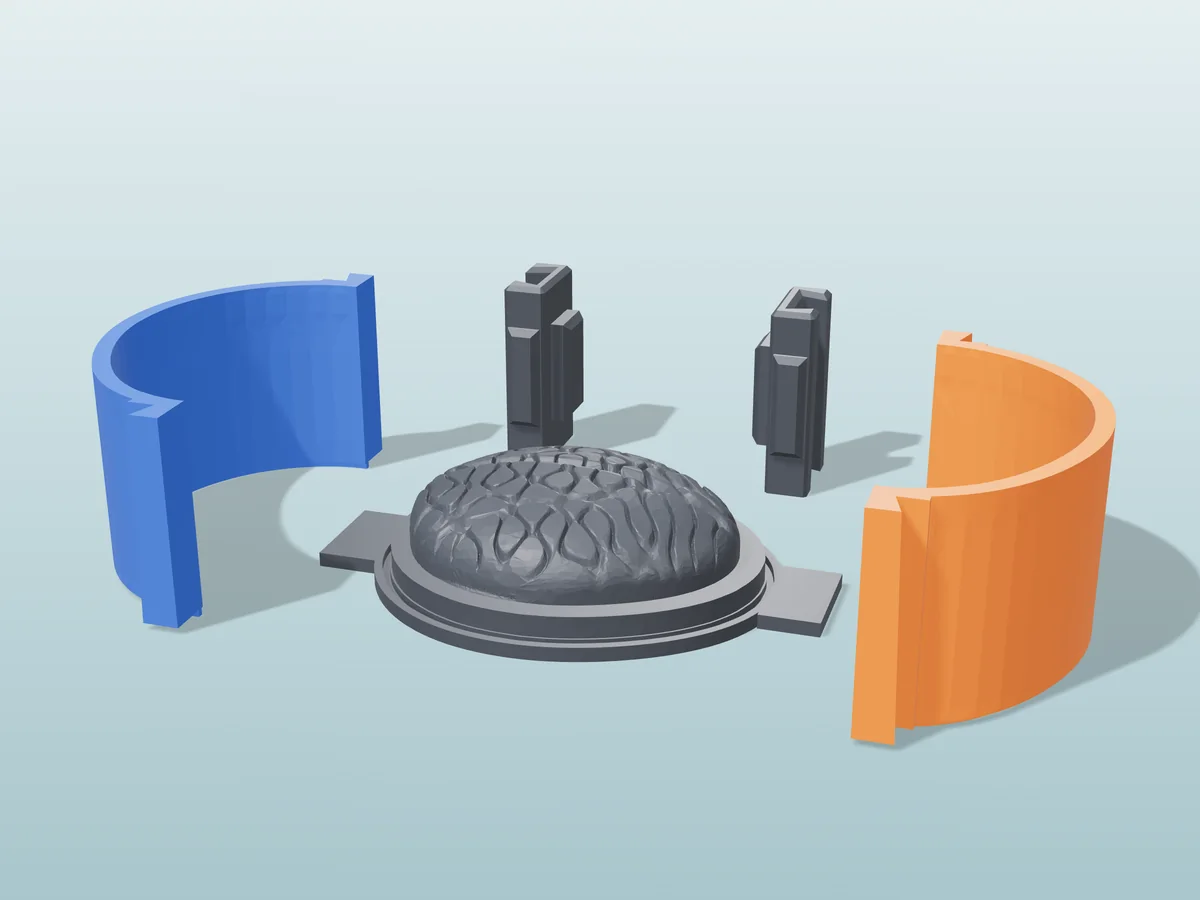
Silicone molds (cast from a 3D-printed master) - you print a positive master (the shape of the object you want to cast), build a containment box around it, and pour liquid silicone over it. Once cured, you peel the silicone off the master and use the resulting flexible mold for all your actual pours.
There's also a third hybrid approach - printing a rigid mold housing and casting silicone into it - but for most small operations, the two above cover the realistic options.
The case for direct-print molds
Speed and cost to first use
Direct-print molds have essentially zero setup overhead beyond design time. You model the cavity, print it, and you're casting the same day. There's no silicone to mix, no cure time to wait, no wasted material if the mold geometry turns out wrong. For prototyping or testing a new shape, this is unbeatable.
Cost is also minimal. A simple direct-print mold in PLA or PETG might use 50-150g of filament - call it €1-3 in material. A single iteration is cheap enough that you can print five versions and throw away four.
Dimensional precision
FDM-printed molds hold their shape rigidly, which means highly predictable cast dimensions. Silicone has give - it stretches slightly during demolding, especially on tall vertical walls, which can introduce minor dimensional variation. For parts where exact geometry matters (functional inserts, tray molds, parts that need to fit together), the rigid print is often more accurate.
Good for flat or low-relief shapes
Tray molds, slab molds, and low-relief shapes (think: small embossed tiles, bar soap molds, simple geometric shapes) work well as direct prints. There are no undercuts to worry about, demolding is straightforward, and the layer lines in the mold walls don't significantly affect the cast surface.
Who this is NOT for
Anyone casting with high-pour-temperature materials. Standard PLA softens around 60°C - hot candle wax (poured at 65-85°C typically), fresh soap batter, or polyurethane resins that generate exothermic heat can all warp or deform a PLA mold. PETG extends that range to ~80°C and handles most wax applications, but it's still not heat-proof. If you're casting anything that pours hot, material choice matters enormously - PP or high-temp resins can extend usability, but this is a real constraint. See our filament comparison for the full breakdown.
Also not ideal for: shapes with undercuts (anything that locks the casting in the rigid mold), complex 3D geometry, or anything requiring a glossy finish straight out of the mold. Printed layer lines will transfer directly onto the cast surface. You can sand and coat the mold interior with epoxy resin to smooth it, but that adds time and effort.
The case for silicone molds
Flexibility is the key advantage
Silicone molds flex during demolding, which means they can handle undercuts, complex curvature, and fine detail that a rigid mold simply cannot release cleanly. If you're making candles with intricate surface texture, detailed soap bars, resin pendants with raised geometry, or anything with a re-entrant shape - silicone is usually the only practical option.
The demolding process with silicone is also far more forgiving. You peel, flex, and pop - no forcing, no stuck casts, no broken parts during release.
Surface quality
Silicone captures the master's surface extremely faithfully, including fine texture and detail. More importantly, the silicone cavity surface itself is naturally smooth and non-stick, which means casts come out with much better surface quality than a raw FDM-printed mold wall. The mold does the surface finishing work for you - which matters a lot if you're selling a finished product.
Durability and run count
A well-made platinum-cure silicone mold can last 50-100+ uses for candle and soap casting, and 20-50 uses for resin. That's respectable longevity for a mold that cost €15-40 in silicone to make. Tin-cure silicone is cheaper but degrades faster - it's fine for low-run use but breaks down noticeably within a year of regular use.
The key point for a small business: once you have a working silicone mold for a popular design, you're set for a production run without needing to reprint anything. Your 3D printer moves on to the next job while the silicone mold handles repetitive casting.
Heat resistance
Food-grade and mold-making silicones typically handle 200-250°C continuously - well beyond anything you'll pour for candles, soap, or resin. No deformation, no warping, no risk of the mold failing mid-pour. This is a significant operational advantage over direct-print molds made from standard filaments.
Who this is NOT for
Anyone who needs the mold today. Silicone needs 4-24 hours to cure (depending on the product and whether you're using a pressure pot), which means you can't rush it. There's also a meaningful material cost: good platinum-cure silicone runs €30-80/kg, and even a small mold might use 200-400g. If a shape doesn't sell, that investment is sunk.
The workflow also adds complexity. Mixing ratios have to be accurate, air bubbles need to be managed (a pressure pot helps enormously), and pouring too fast or unevenly can ruin the mold. It's learnable, but it's not just "hit print and walk away."
Also: silicone molds are flexible, which means they can distort under their own weight if not properly supported during casting. Tall, narrow silicone molds usually need a rigid housing (printed or otherwise) to hold their shape while the casting material sets.
Head-to-head: when to use which
| Situation | Best approach |
|---|---|
| Testing a new shape quickly | Direct-print |
| Production run of a proven design | Silicone |
| Simple flat or geometric cavity (soap bars, tiles) | Direct-print |
| Complex 3D shape with undercuts | Silicone |
| Casting wax or soap (poured hot) | Silicone (or PETG/PP direct-print - check your pour temp) |
| Casting cold-pour resin | Either - direct-print if flat, silicone if detailed |
| You need a glossy cast surface | Silicone |
| You need exact dimensional repeatability | Direct-print |
| You're offering custom one-off designs | Direct-print (or short-run silicone if detail is key) |
| You're building a catalogue of repeatable shapes | Silicone |
| Budget is tight | Direct-print |
| You're scaling a popular SKU | Silicone |
The smart workflow: use both
The most efficient 3D-printing mold operations don't pick one approach - they use the two in sequence.
Step 1: Print a direct mold to validate the design. Before investing silicone in a shape, print it directly and do a test pour. Check geometry, wall thickness, fill behavior, and demolding. Iterate fast and cheap.
Step 2: Once the design is locked, cast it in silicone. When a shape is proven and you know it sells, the silicone mold becomes your production tool. Better surface quality, better heat resistance, handles undercuts, and frees up your printer for the next design. The silicone & ice-cube guide walks through pouring food-safe silicone over a printed master end-to-end.
Step 3: Keep the master in your library. Your 3D-printed master is a file - it costs nothing to store, and you can reprint it anytime to cast a fresh silicone mold if the old one wears out or you want to scale up. This is a genuine advantage over traditional mold-making, where masters are physical objects that can be lost or damaged.
This two-stage workflow also lets you offer something interesting to customers: custom mold design as a service, where they pay for the design and initial cast, and you keep the master for repeat orders.
A note on material choice for direct-print molds
If you're going the direct-print route, filament choice directly affects what you can actually cast:
- PLA - works only for cold-pour applications (cold-process resin, non-exothermic castings). Too heat-sensitive for hot wax or soap. Decent for testing.
- PETG - handles most candle wax pour temperatures and is a reasonable production choice for low-temperature casting. More robust than PLA, easier than PP.
- PP (Polypropylene) - the best direct-print mold material for heat resistance and chemical resistance. Naturally watertight, handles hot pours, releases well due to its low surface energy (the same property that makes it hard to glue is what makes demolding easy). Hard to print but excellent results once dialled in.
- TPU - gives you a semi-flexible direct-print mold that partially mimics silicone's release behavior. Can handle modest undercuts and is more forgiving during demolding than rigid prints. Worth considering for small, detailed shapes if you're not ready to work with silicone.
FAQ
Can I pour silicone directly into a 3D-printed mold?
Yes - this is actually a common workflow. You print a two-part rigid mold housing, pour liquid silicone into the cavity, let it cure, and the result is a flexible silicone insert in a rigid shell. It combines the precision of a printed mold with silicone's release and surface properties.
How many times can I use a silicone mold?
For candle and soap casting: typically 50-100 uses with proper care. For resin: 20-50 uses before the surface starts to degrade and affect cast quality. Platinum-cure silicone outlasts tin-cure significantly - worth the extra cost if you're running production quantities.
Do I need a pressure pot for silicone molds?
Not strictly, but it helps a lot. A pressure pot (typically run at 40-60 PSI) compresses any air bubbles in the silicone during cure, giving you a denser, bubble-free mold. For fine-detail molds, it's close to mandatory. For simple shapes, you can get away without one if you pour slowly and let the silicone self-level.
Can I use PLA for candle molds?
Only for cold applications or low-temperature pours. Most candle wax is poured at 65-85°C, which is right at or above PLA's heat-deflection temperature. The mold may survive a few pours, but warping is a real risk. PETG is a safer choice for direct-print candle molds.
What's the cheapest way to start making molds with a 3D printer?
Start with direct-print molds in PETG for simple shapes, and test your designs before committing to silicone. Once you have a shape that sells, invest in a small batch of platinum-cure silicone (500g-1kg) and cast a production mold from your printed master. Total startup cost for a first silicone mold: under €30 in materials.