◆ Plaster
Sidewalk chalk tray mold
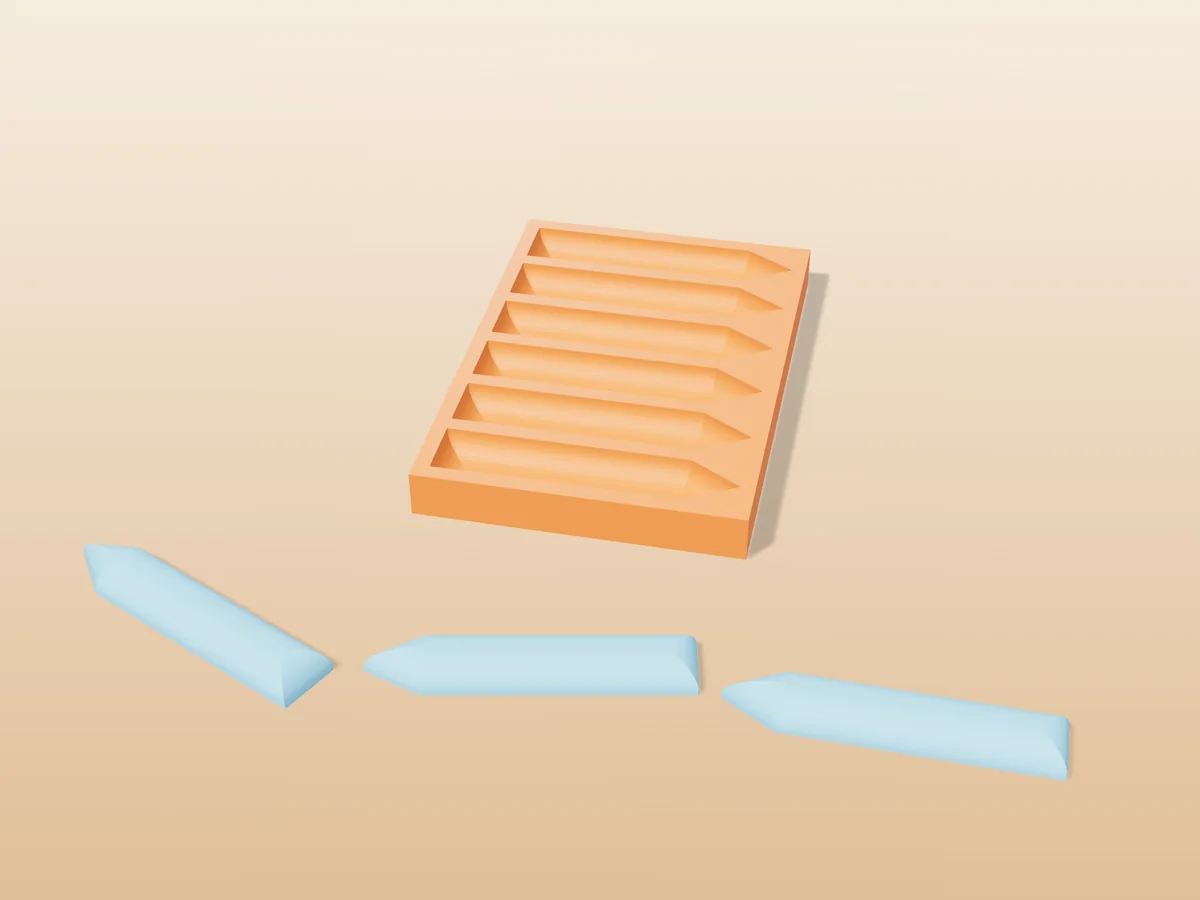
Six chunky sidewalk chalk crayons from plaster and poster paint, cast in a printed tray.
Want your own version? Make it free in our tray mold tool. A free account gives you free downloads every week.
◆ Plaster
Six chunky sidewalk chalk crayons from plaster and poster paint, cast in a printed tray.
Want your own version? Make it free in our tray mold tool. A free account gives you free downloads every week.
A printed tray for six sidewalk chalk sticks, each 110 mm long and 22 mm wide, with a rounded back that sits well in a small hand and a pointed tip for drawing lines.
Made with our tray mold generator in its rigid tray mode: print the tray, wipe in a release agent and pour coloured plaster straight in. Homemade chalk is plaster of Paris, water and paint, a good rainy-day project with children before a sunny one.
The zip carries the tray exactly as the tool exported it, one chalk stick on its own as an STL, the master uploaded to the tool, and a print and pour sheet with the volume of each cavity.
Shown as a 3D render of the printed tray with three blue chalk sticks in front, not a photo.
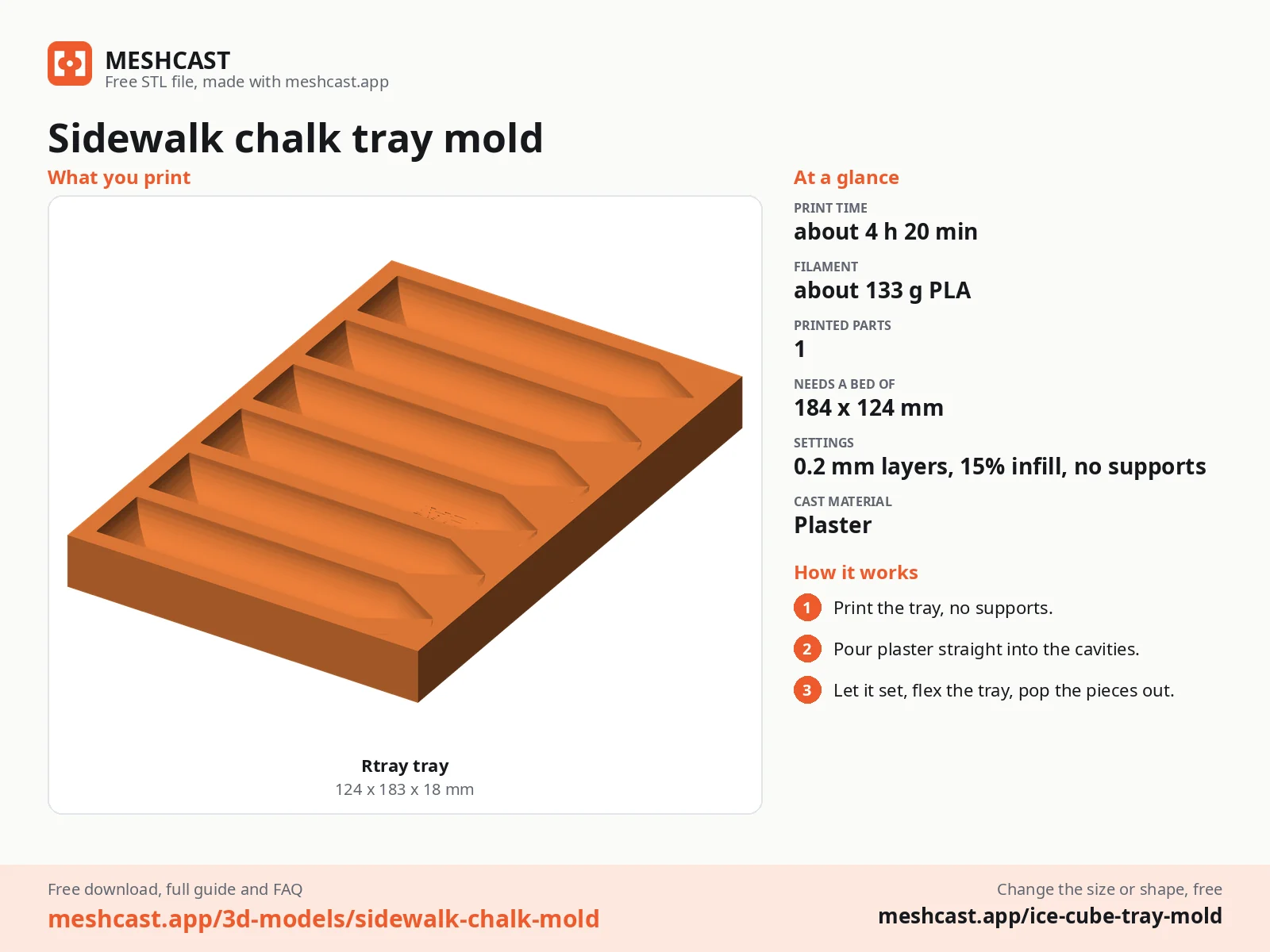
Print the tray as exported, cavities up, no supports. PLA is fine: plaster only gets warm as it sets.
Wipe a thin film of mold release, petroleum jelly or cooking spray into every cavity, including the fine detail.
Mix casting plaster to a pouring cream (add pigment now if you want colour), fill each cavity and tap the tray on the table for a minute to lift the bubbles.
Leave it for an hour until the plaster is warm and hard, then flex the tray corners and tip the pieces out. Let them dry for a day before you add oils or paint.
Print details
| Cast material | Plaster |
|---|---|
| Printed parts | 1 |
| Size (W x D x H) | 124 x 183 x 18 mm |
| Print bed needed | 184 x 124 mm, 19 mm tall |
| Filament | ~133 g |
| Layer height | 0.2 mm |
| Infill | 15% |
| Supports | Not needed |
| Download | ZIP: printed tray (STL) + one chalk stick (STL) + tool master (STL) + print and pour sheet |
| Added | 2026-09-24 |
Made with the free Tray mold generator. Upload your own model and get the same kind of mold built around it, in your browser.
Free download. Opens the Thingiverse listing in a new tab.
Free for personal use. Selling the pieces you cast needs a commercial licence (Pro or Founder); passing on the file itself is not permitted on any plan. Full terms.
New to casting? Read the ice cube tray mold guide.
Roughly two parts plaster of Paris to one part water, with two or three tablespoons of tempera paint mixed into the water first. Stir until smooth, pour within a few minutes, and let the sticks dry for a full day after demolding, or they crumble on the pavement.
Yes, with an adult doing the mixing: dry plaster dust should not be breathed in, and setting plaster gets warm. Pouring the coloured mix into the tray and choosing colours is the fun part, and safe for small hands with gloves.
Too much water, too much paint, or not enough drying time. Keep paint to a small share of the liquid, and let the sticks dry for 24 to 48 hours somewhere warm before they meet the pavement.
 Plaster
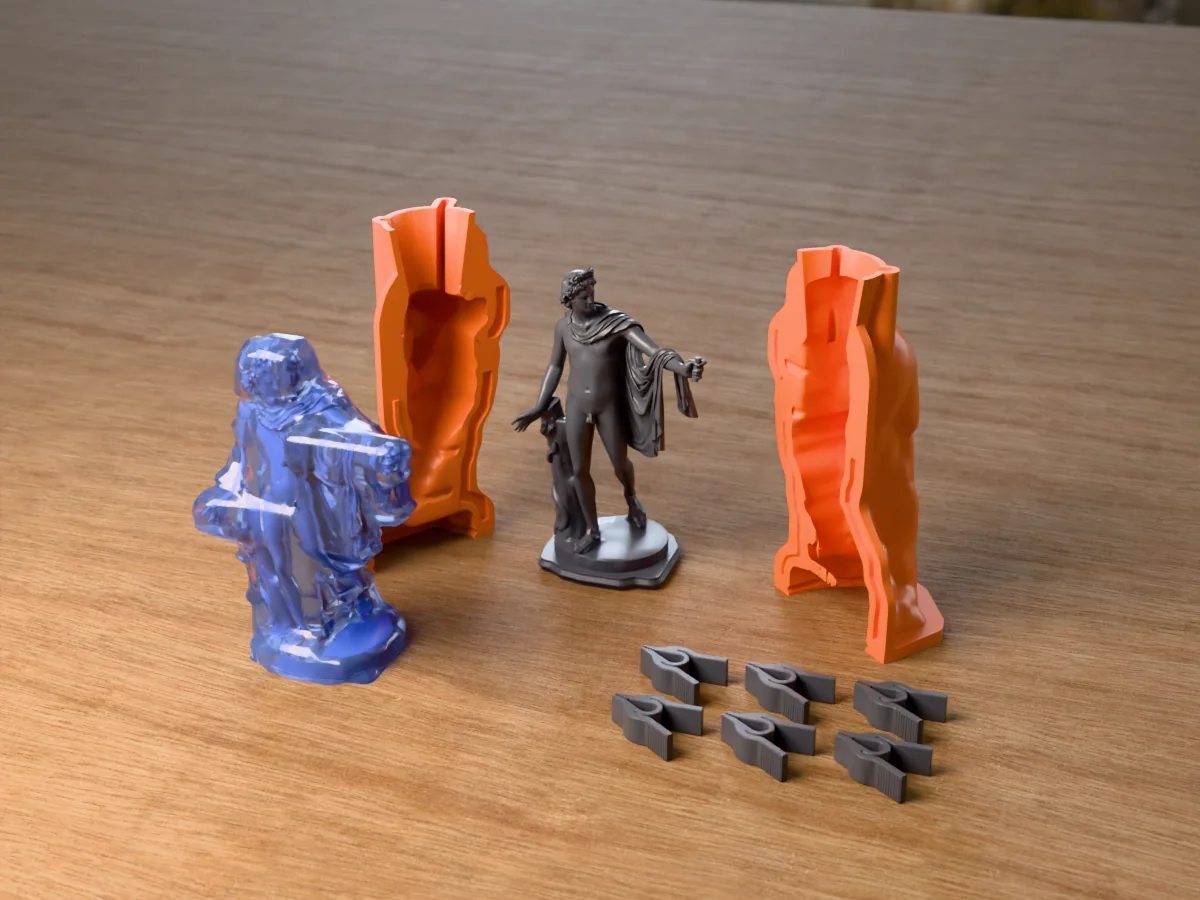
Cast a 140 mm Apollo Belvedere in plaster or concrete, from a public-domain museum scan.
 Plaster
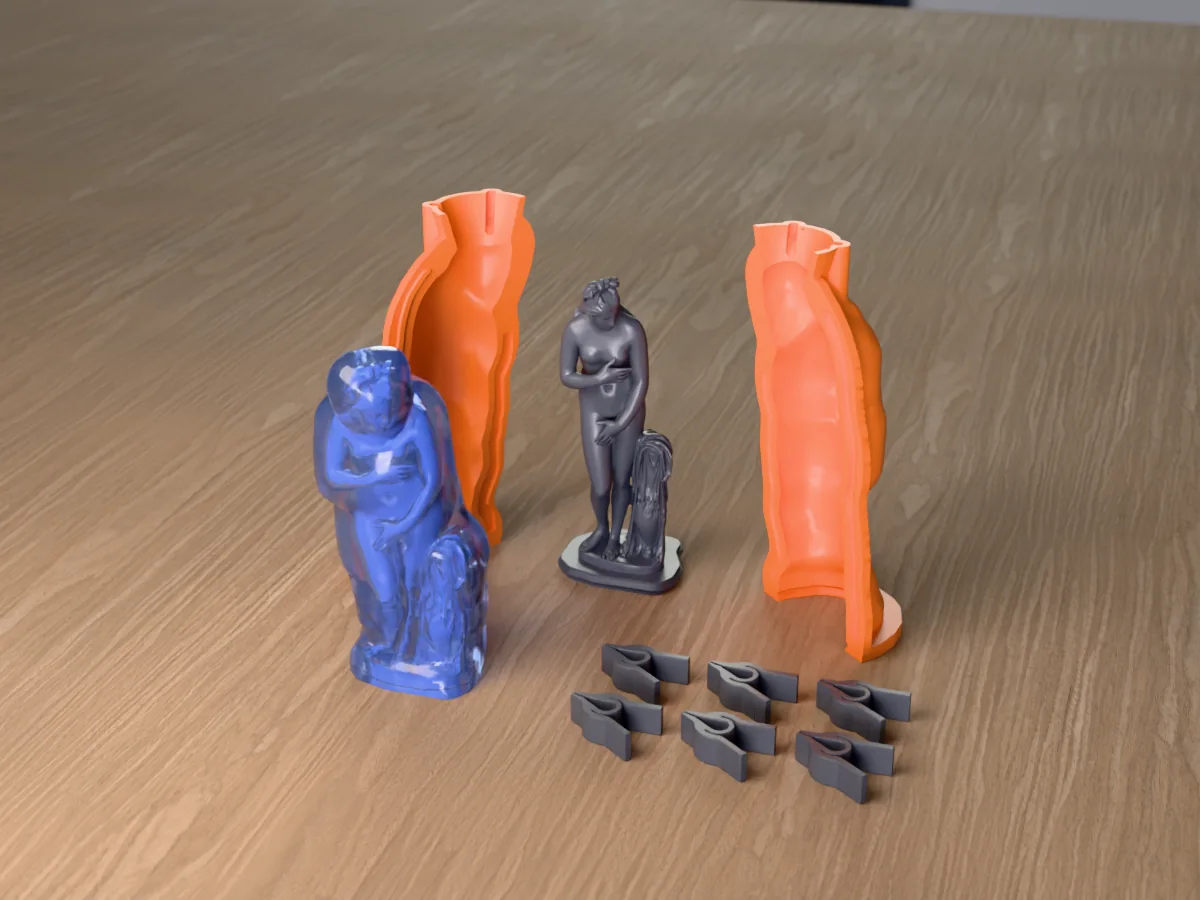
Cast a 140 mm Capitoline Venus in plaster or concrete, from a public-domain museum scan.
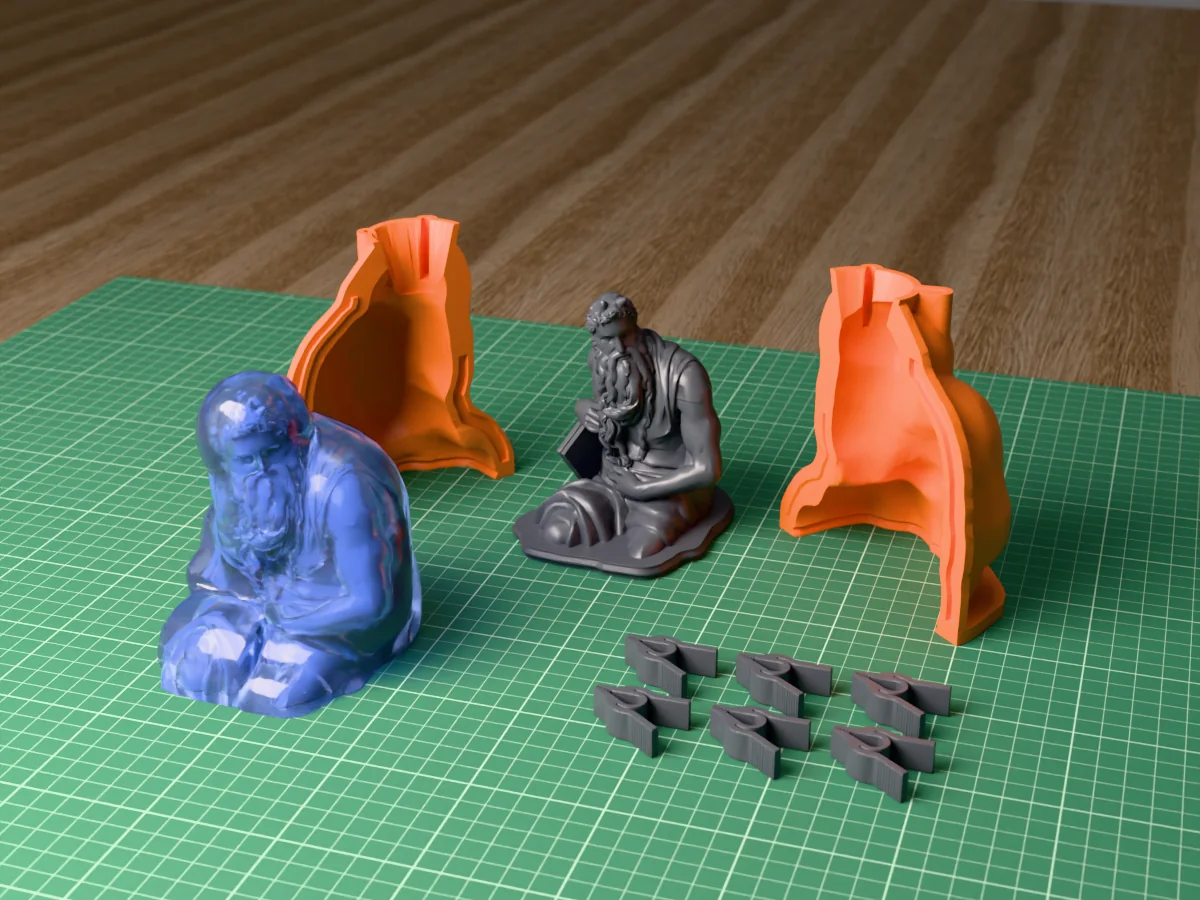 Plaster
Cast Michelangelo's Moses as a 105 mm seated statue in plaster or concrete, from a museum scan.
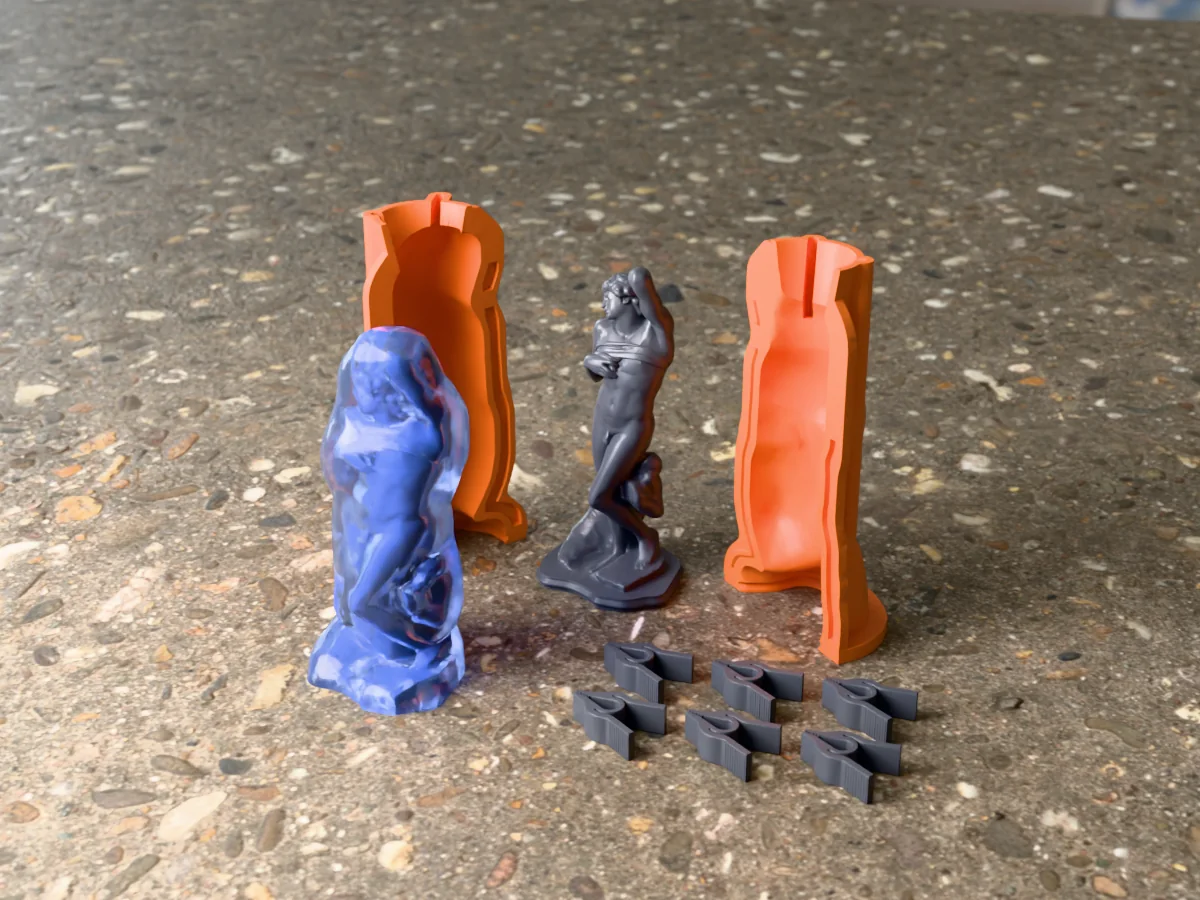 Plaster
Cast Michelangelo's Dying Slave as a 140 mm statue in plaster or concrete, from a museum scan.
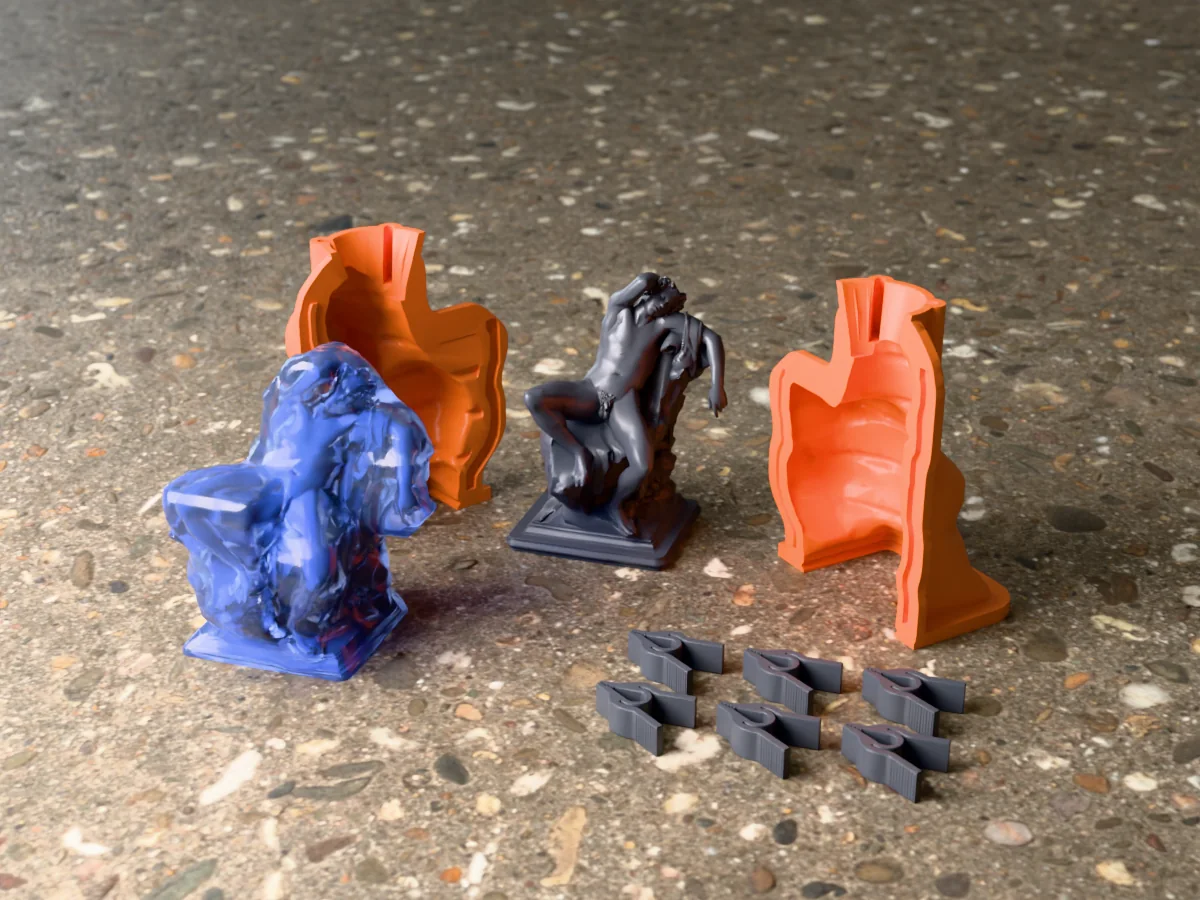 Plaster
Cast the Barberini Faun as a 110 mm reclining statue in plaster or concrete, from a museum scan.
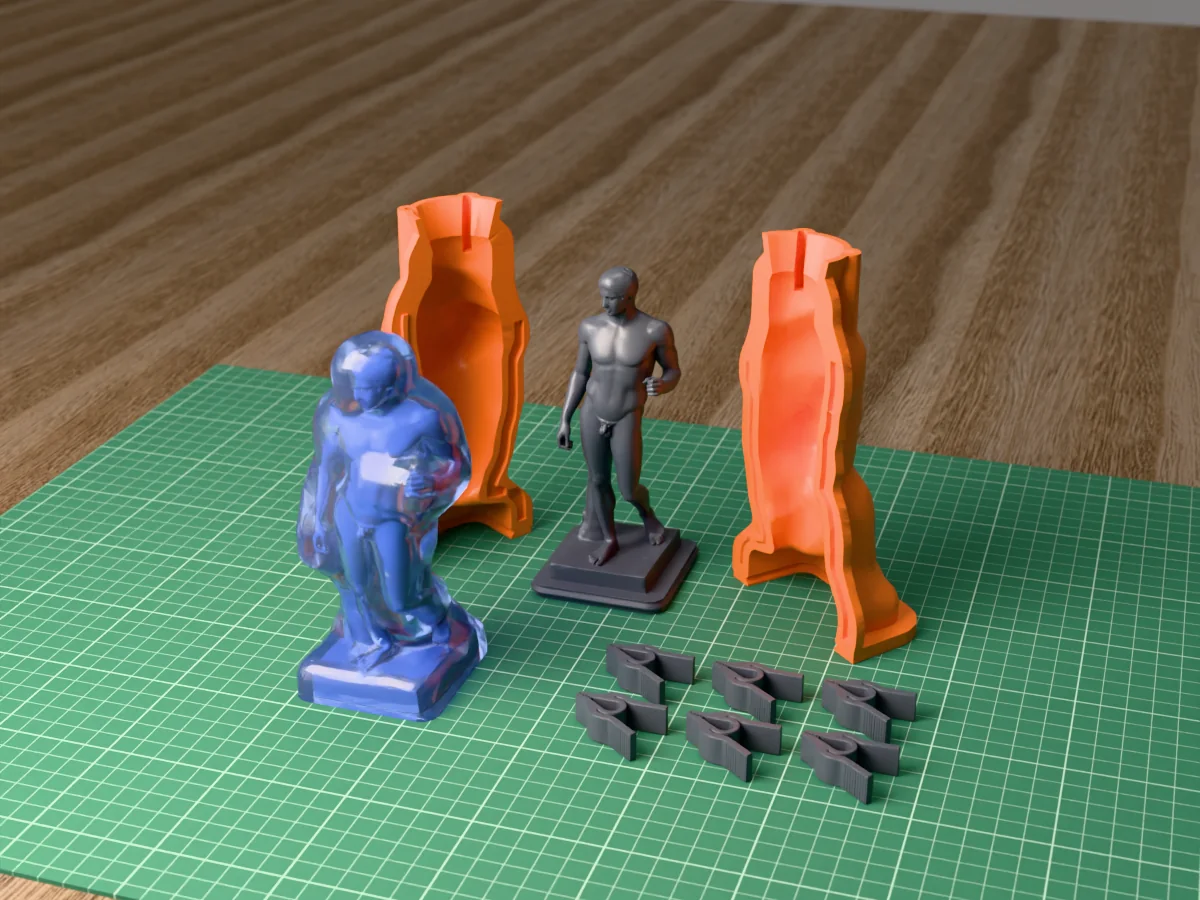 Plaster
Cast the Doryphoros, the Spear-Bearer of Polykleitos, as a 140 mm statue in plaster or concrete.
 Plaster
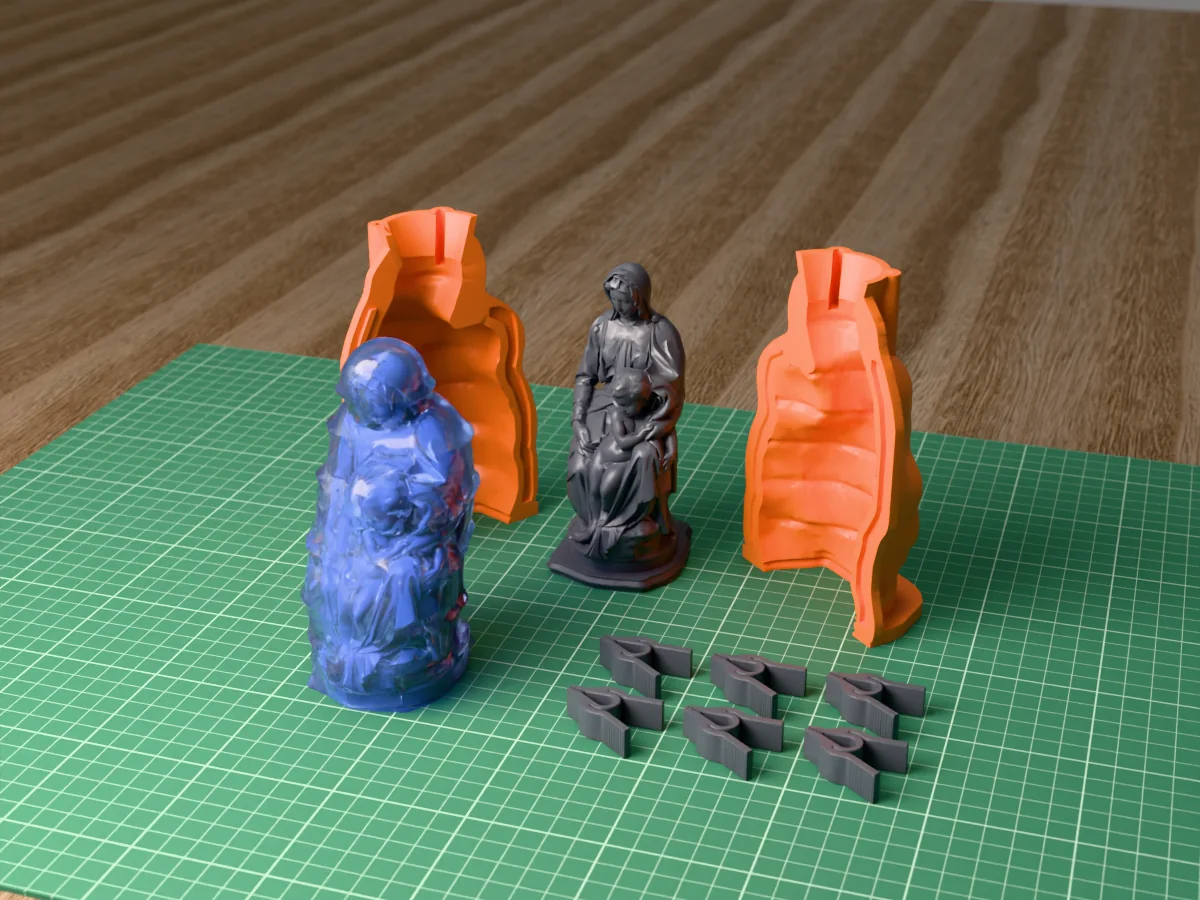
Cast Michelangelo's Bruges Madonna as a 125 mm statue in plaster or concrete, from a museum scan.
 Plaster
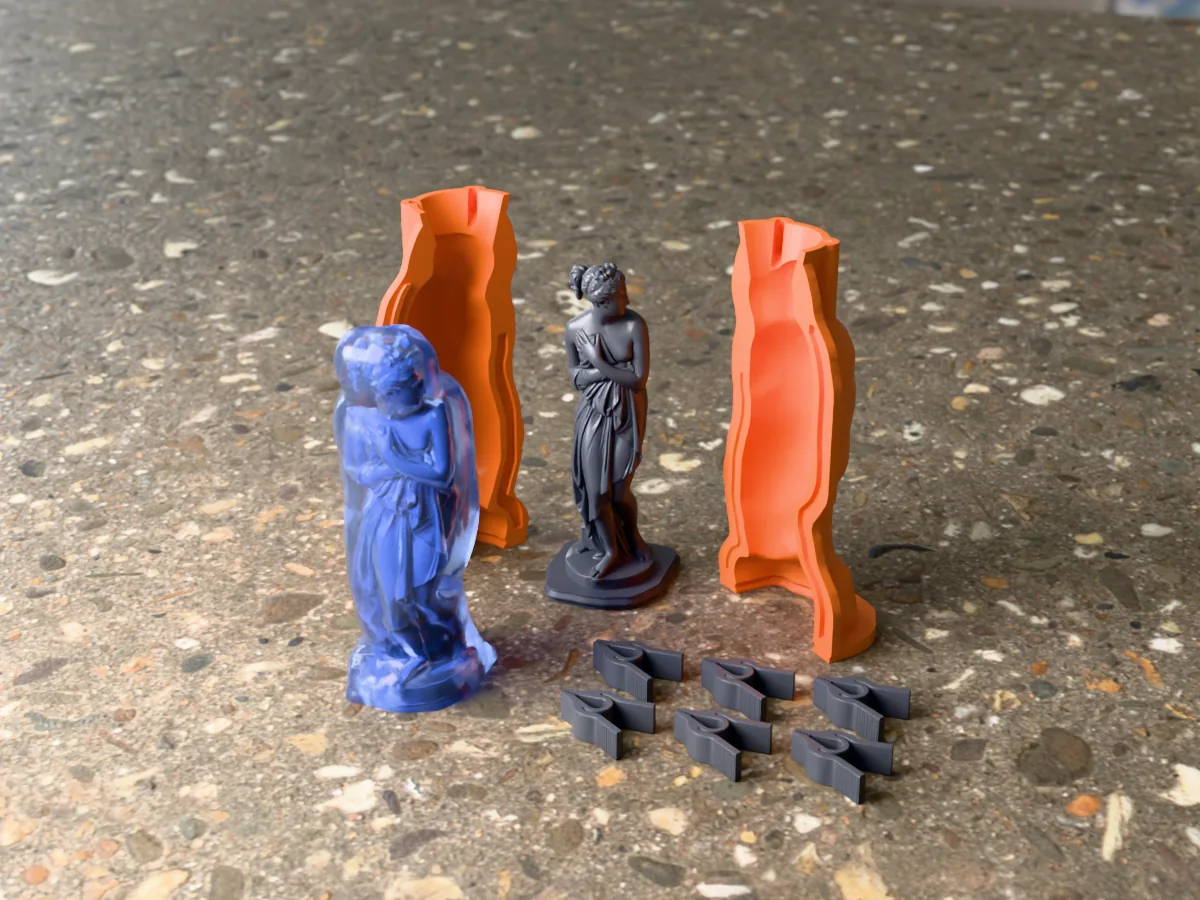
Cast Canova's Venus Italica as a 140 mm statue in plaster or concrete, from a museum scan.