◆ Concrete
Concrete pen holder mold
A twisted hexagon pen holder, 95 mm tall, to cast in concrete or Jesmonite, as a silicone mold from printed parts.
◆ Concrete
A twisted hexagon pen holder, 95 mm tall, to cast in concrete or Jesmonite, as a silicone mold from printed parts.
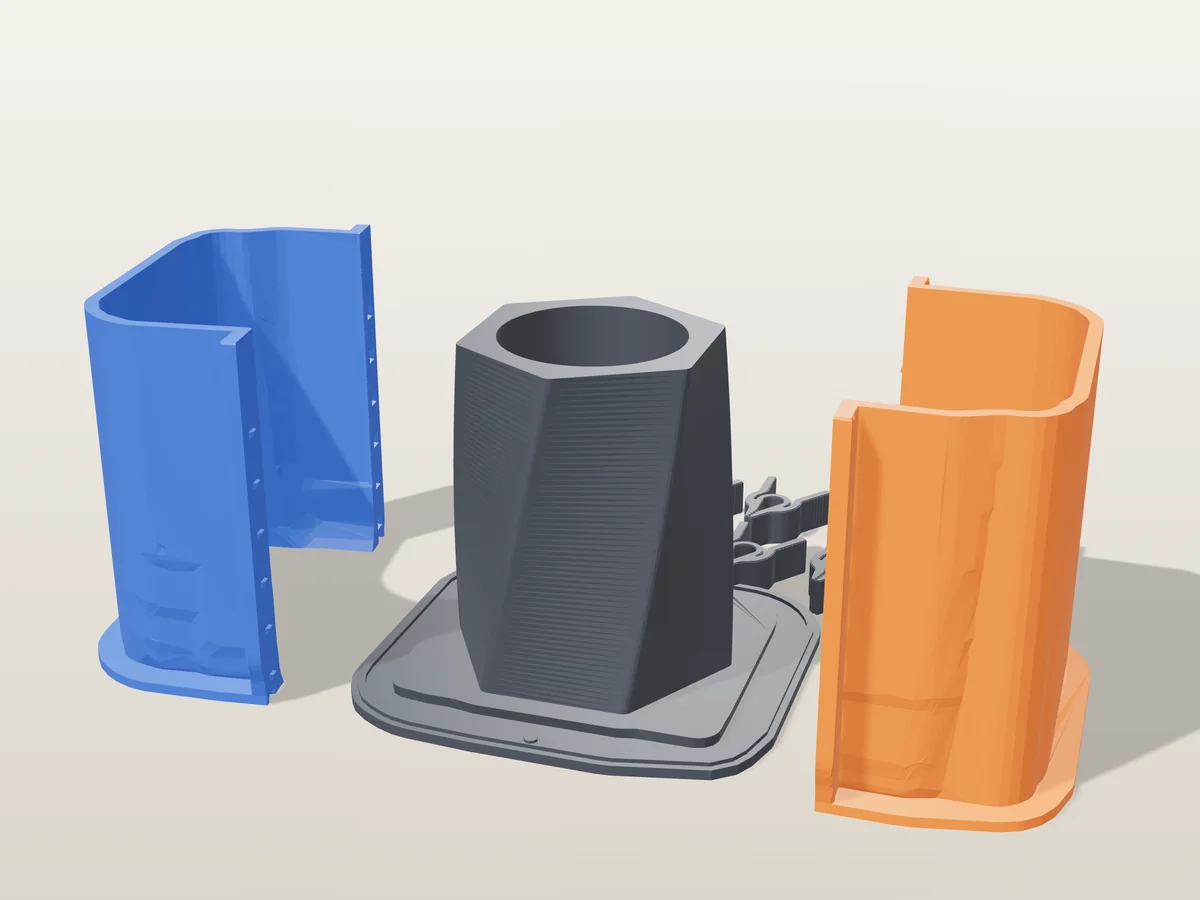
A desk pen holder 95 mm tall and 72 mm across the flats: a hexagonal cup whose faces twist 30 degrees from bottom to top and taper slightly, around a round well 52 mm wide and 83 mm deep with a soft floor. It holds pens, brushes, scissors, makeup brushes or a small succulent.
Made with the hugging-shell mode of our silicone mold maker, which the site's own mold advisor picks for this shape: it stands tall, and a shell that follows the twisted sides uses less silicone than a square box. Print the base with the holder fused onto it upright, the two shell halves and the clamps, and pour about 800 ml of silicone into the open top. It fills the well as it rises and becomes the core, so the cast comes out hollow with no separate insert.
Cast a set in grey concrete, white Jesmonite or a pastel pigment, alongside the matching concrete phone stand. The zip carries every printed part, the holder master as its own STL, the tool's own print-settings sheet and a recipe file for the generator.
Shown as a 3D render of the printed mold parts pulled apart around the master, not a photo.
Print the base, which has the master already fused onto it, the two shell halves and the clamps (all of them are in clamps.stl). No supports.
Stand the shell halves on the base around the master and push the printed clamps over the seams. Steel binder clips work too, the seats for them are built into the shell.
Tape the outside seams or run a bead of hot glue along them, because silicone finds every gap.
Mix 855 ml of silicone in one batch, pour it into the open top in a thin stream, and fill level with the rim.
Once it has cured, unclip the shell, lift it off and peel the silicone off the master. That silicone is your mold.
Turn the silicone over and set it back in the shell to keep its shape: the opening is the bottom of the holder, a hexagonal ring round the silicone core. Pour a fluid concrete mix or Jesmonite slowly down one side, tap the shell for a minute to raise the air, and strike the bottom flat.
Demold after a day by peeling the outer silicone off and then twisting the cast gently off the core. Sand the bottom flat, seal it, and stick on felt pads.
Print details
| Cast material | Concrete |
|---|---|
| Printed parts | 9 |
| Size (W x D x H) | 128 x 122 x 110 mm |
| Print bed needed | 126 x 119 mm, 110 mm tall |
| Filament | ~344 g |
| Layer height | 0.2 mm |
| Infill | 15% |
| Supports | Not needed |
| Download | ZIP: 9 printed parts in 4 STL files + pen holder master (STL) + print sheet + recipe |
| Added | 2026-09-25 |
Pro early access until October 25, 2026, then free with any account.
Make your own silicone mold →Made with the free Silicone mold maker generator. Upload your own model and get the same kind of mold built around it, in your browser.
Free for personal use. Selling the pieces you cast needs a commercial licence (Pro or Founder); passing on the file itself is not permitted on any plan. Full terms.
New to casting? Read the silicone mold maker guide.
The wall is 6 to 10 mm thick, so the mix has to flow: use a fine concrete with no gravel, or Jesmonite, a little wetter than for a slab. Pour in a thin stream down one side so the air is pushed ahead of it, and vibrate the mold for a full minute.
Yes, for a small succulent or an air plant. It has no drainage hole, so add a layer of gravel first and water sparingly, and seal the inside so the concrete does not wick water and stain.
Not if you demold in the right order: peel the outer silicone off first, then twist the cast gently off the core. The core is thick and tapers slightly, and the soft floor of the well has no sharp edge for a tear to start at.
 ConcretePro early access
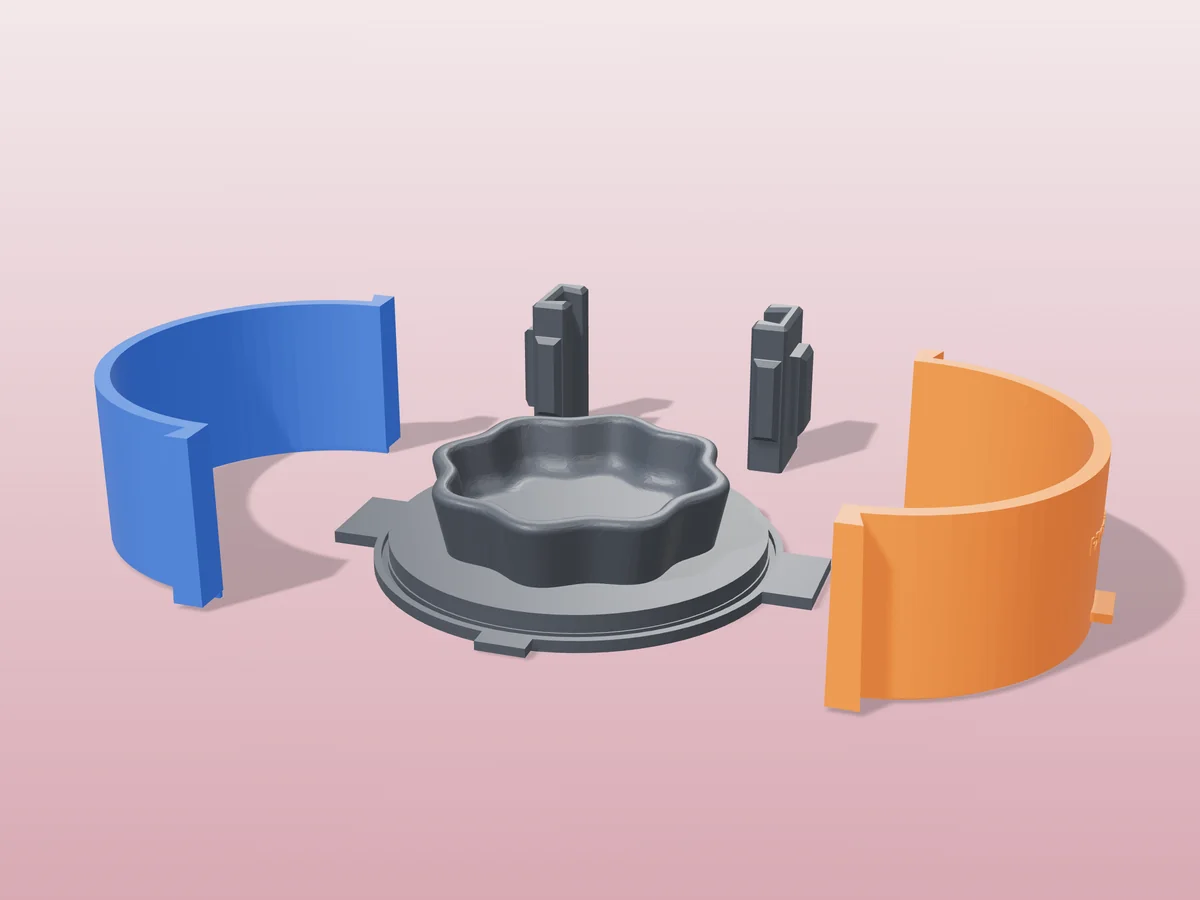
A 100 mm scalloped trinket dish to cast in concrete or Jesmonite, as a silicone mold from printed parts.
 ConcretePro early access
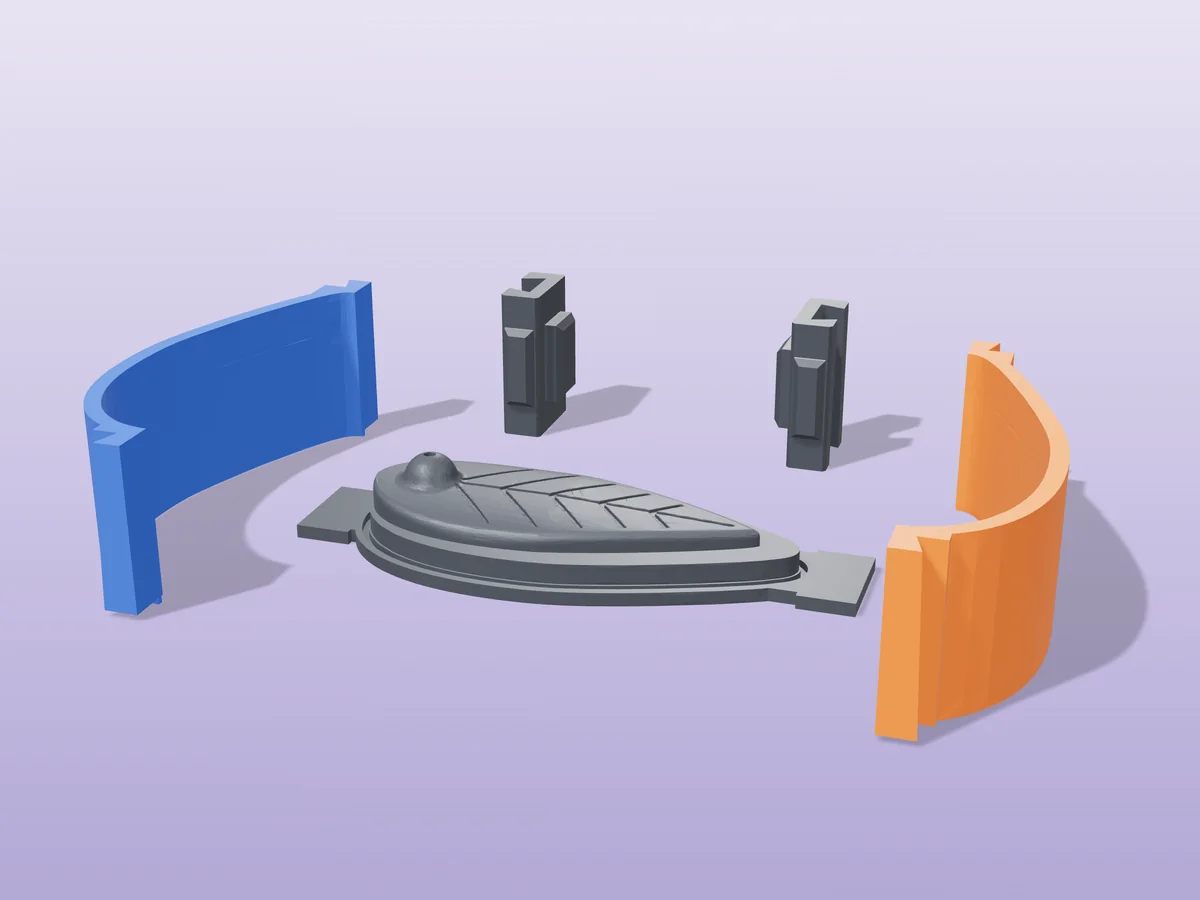
A 116 mm leaf incense holder with pressed-in veins and a stick hole, to cast in concrete, as a silicone mold.
 ConcretePro early access
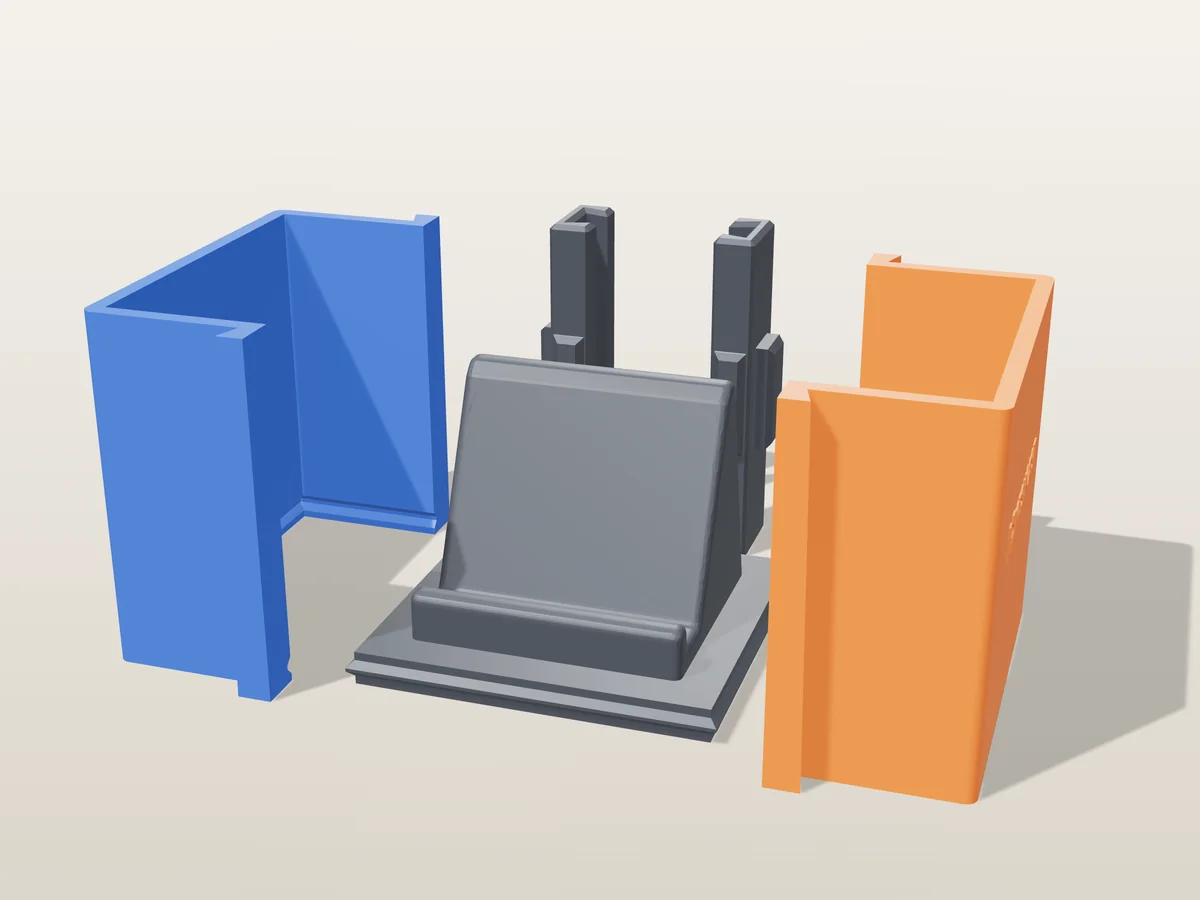
A heavy concrete phone and tablet stand, 80 mm wide, as a silicone mold from printed parts.
 ConcretePro early access
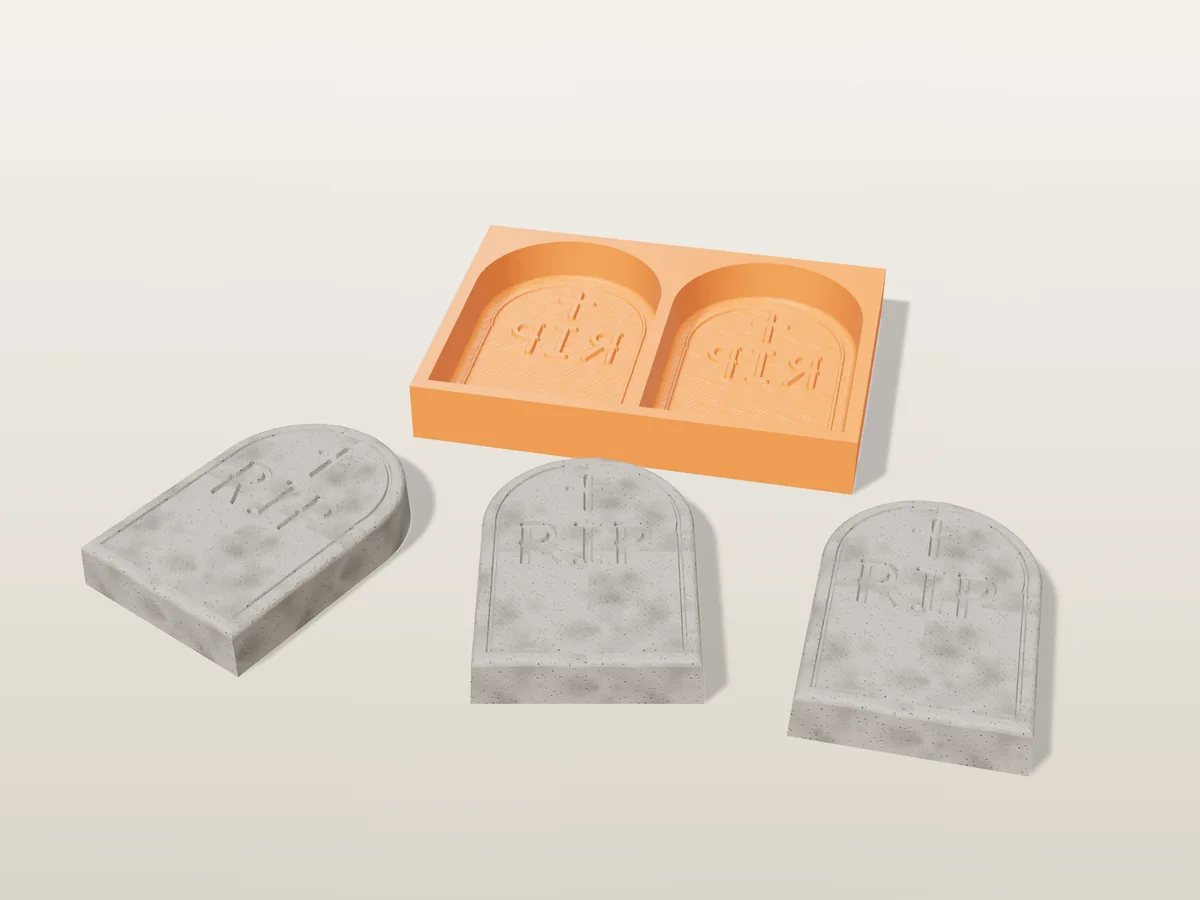
Two carved R I P tombstones for a Halloween graveyard, cast in concrete straight in a printed tray.
 ConcretePro early access
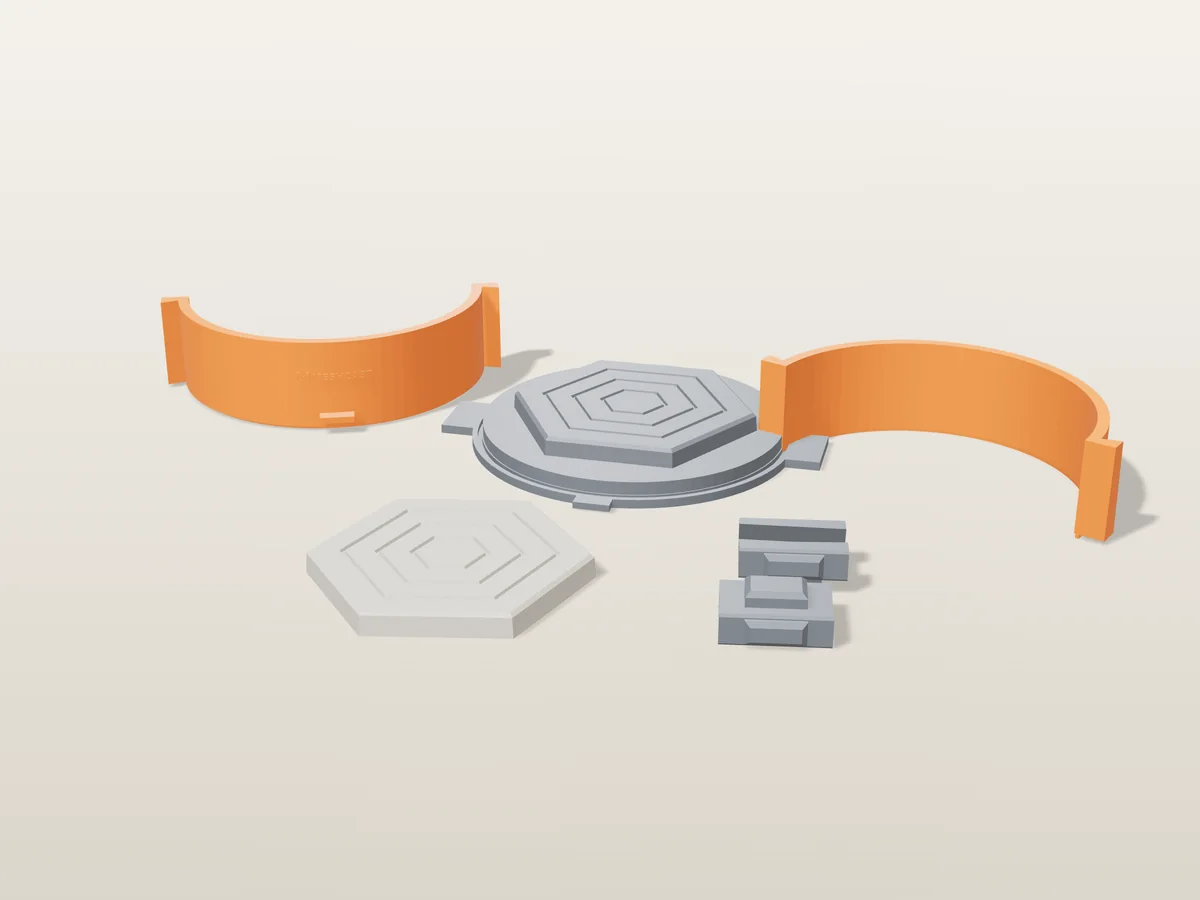
A 100 mm hexagon coaster with three nested grooves, as an open-face silicone mold.
 ConcretePro early access
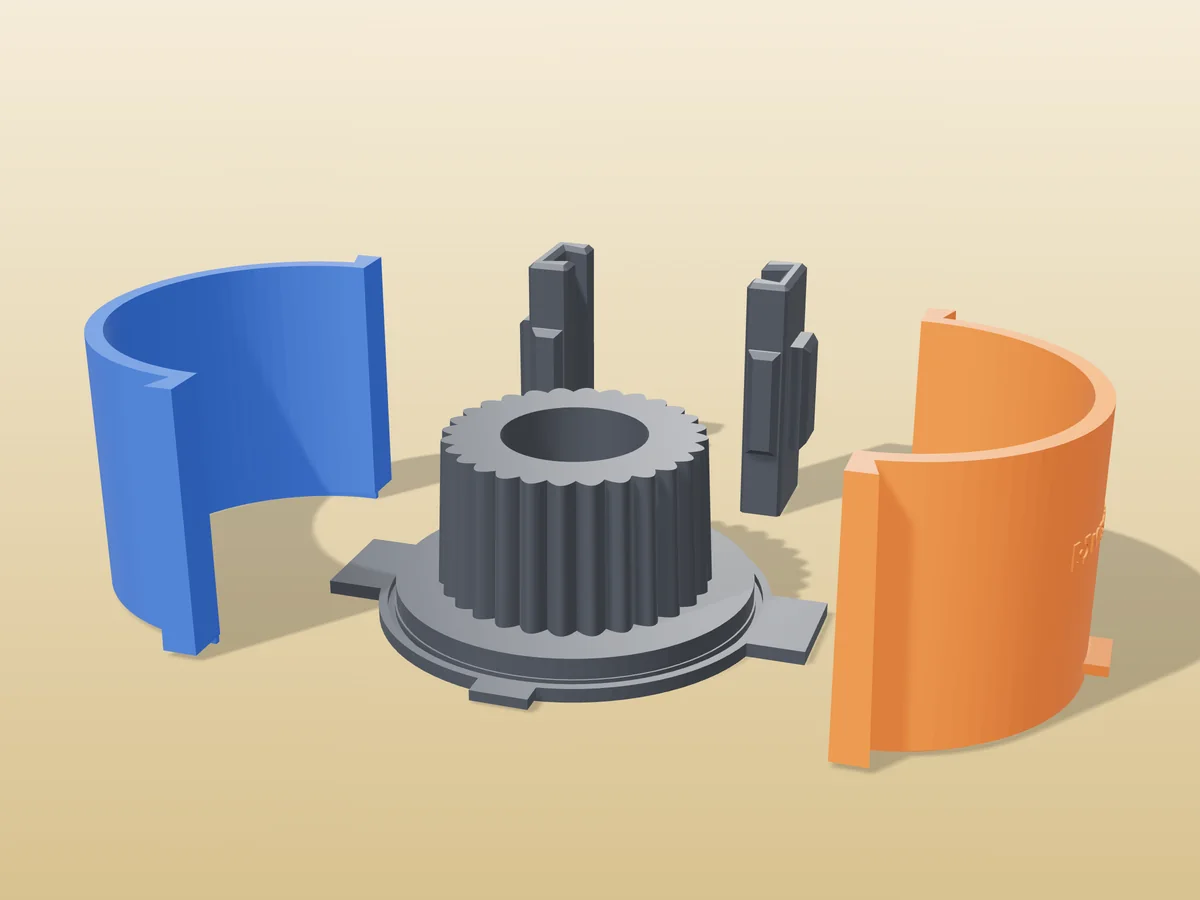
A fluted concrete tealight holder, 78 mm across, as a silicone mold from printed parts.
 ConcretePro early access
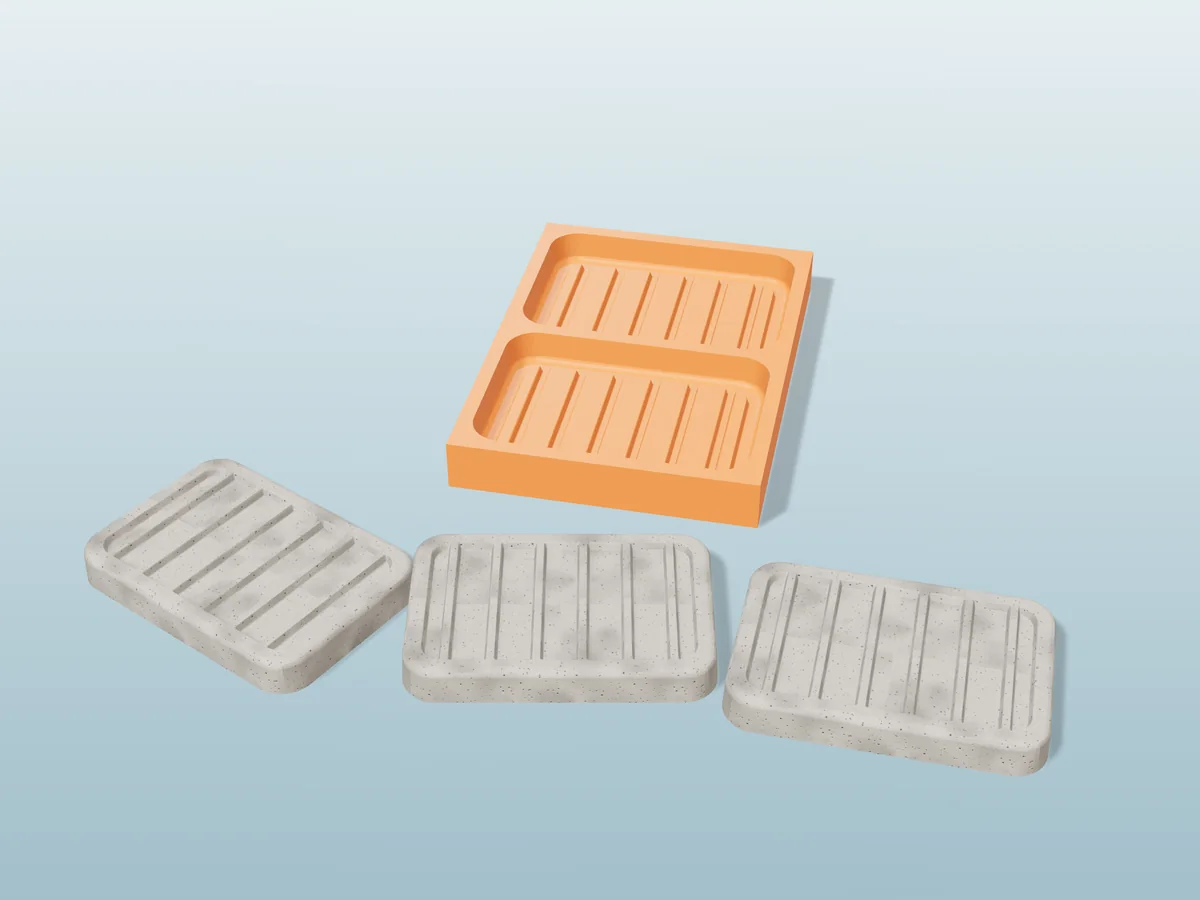
Two concrete soap dishes with a rim and drain ridges, cast straight in a printed tray.
 ConcretePro early access
Four round concrete coasters with ripple grooves, cast straight into a printed tray.