◆ Concrete
Scalloped concrete trinket dish mold
A 100 mm scalloped trinket dish to cast in concrete or Jesmonite, as a silicone mold from printed parts.
◆ Concrete
A 100 mm scalloped trinket dish to cast in concrete or Jesmonite, as a silicone mold from printed parts.
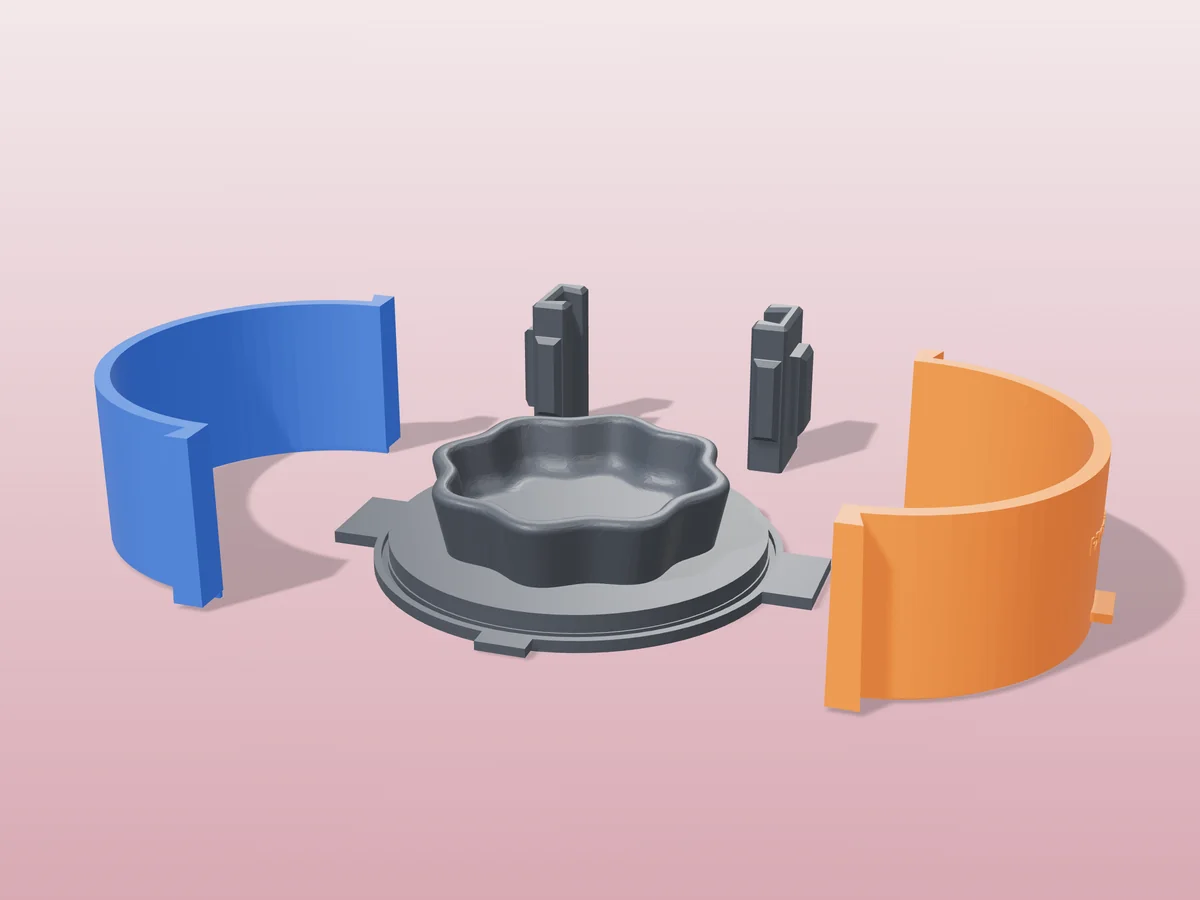
A round trinket dish 100 mm across and 24 mm tall: eight soft scallops round a thick, rounded rim, walls that flare out a little, and a well 18 mm deep with a rounded inside edge. Rings, keys, a soap bar or a tealight all fit.
Made with the box mode of our silicone mold maker in its round shape: print the base with the dish fused onto it upright, the walls and the clamps, pour about 513 ml of silicone, and the silicone fills the well as it rises. Turn the block over and the dish casts upside down, its flat bottom as the open face you fill.
Cast a stack in grey concrete, white Jesmonite or terrazzo with coloured chips, and seal them for a shop shelf or a market table. The zip carries every printed part, the dish master as its own STL, the tool's own print-settings sheet and a recipe file for the generator.
Shown as a 3D render of the printed mold parts pulled apart around the master, not a photo.
Print the base with the master fused onto it, the two walls and the two clamps.
Stand the walls on the base, slide the clamps over the corners, and seal the outside seams with tape or hot glue.
Mix 554 ml of silicone in one batch and pour it into a corner, letting it rise around the master until it covers the top.
Once it has cured, take the clamps and walls off and pull the silicone block off the master. That block is your mold.
Turn the block over: the opening is the bottom of the dish. Fill it with a fine concrete mix or Jesmonite, tap the sides for a minute to raise the air, and strike the bottom flat.
Demold after a day, sand the bottom flat, seal the dish and stick on felt pads so it does not scratch the table.
Print details
| Cast material | Concrete |
|---|---|
| Printed parts | 5 |
| Size (W x D x H) | 162 x 146 x 58 mm |
| Print bed needed | 163 x 147 mm, 58 mm tall |
| Filament | ~218 g |
| Layer height | 0.2 mm |
| Infill | 15% |
| Supports | Not needed |
| Download | ZIP: 5 printed parts (STL) + dishe master (STL) + print sheet + recipe |
| Added | 2026-09-25 |
Pro early access until October 25, 2026, then free with any account.
Make your own silicone mold →Made with the free Silicone mold maker generator. Upload your own model and get the same kind of mold built around it, in your browser.
Free for personal use. Selling the pieces you cast needs a commercial licence (Pro or Founder); passing on the file itself is not permitted on any plan. Full terms.
New to casting? Read the silicone mold maker guide.
Mix Jesmonite or a white cement with small chips of coloured, already cured Jesmonite or crushed stone, fill the mold, and let it cure. Then sand the rim and the inside with wet paper, working down to 400 grit, until the chips show through as flat spots.
Not on its own: concrete and Jesmonite are porous. Seal the dish with a clear concrete sealer or a food-safe wax before you use it for a soap bar or a damp sponge, and let it dry for a day after sealing.
In box mode the silicone is poured over the master, so it fills the dish's well as it rises. When you flip the cured block, the only opening left is where the dish stood on the base: its bottom. You fill it there and strike that face flat.
 Pro early access
Concrete
Pro early access
Concrete
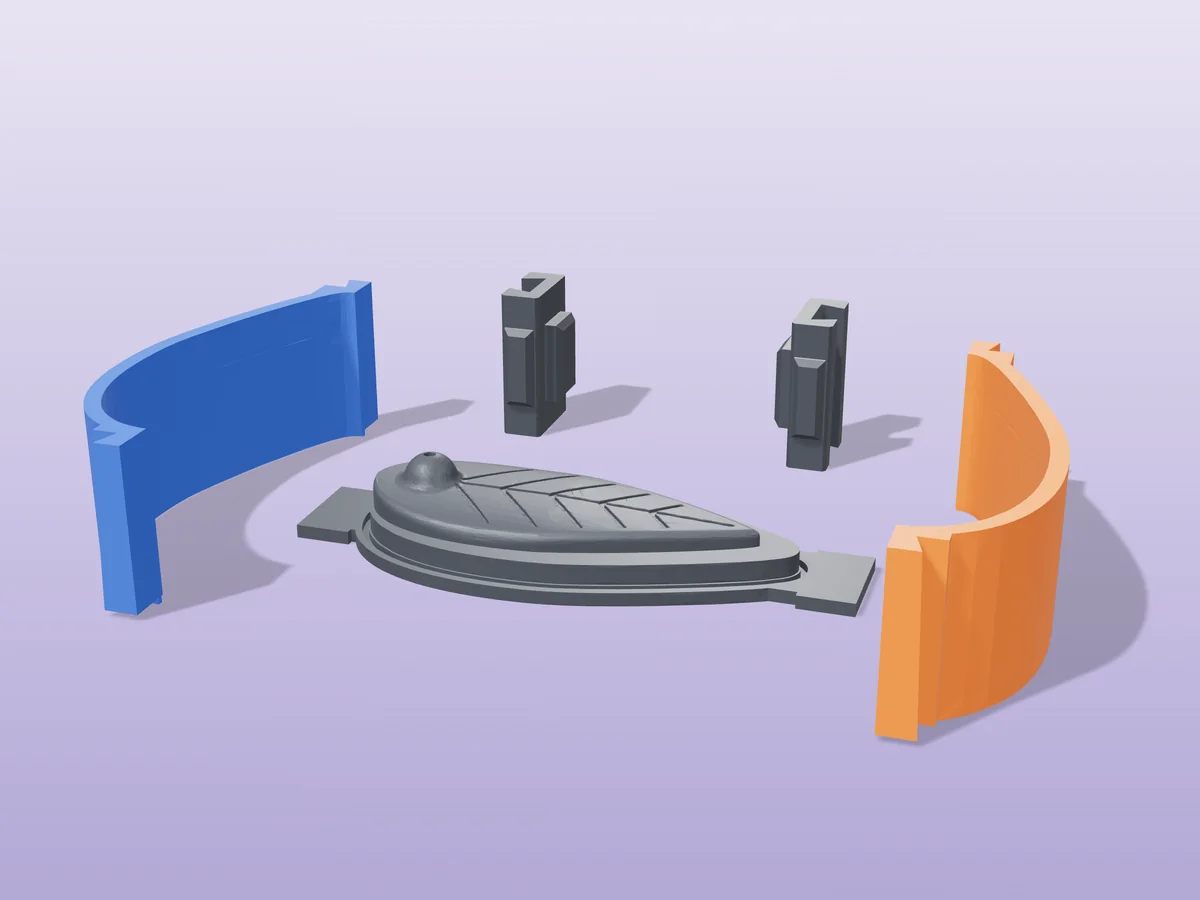
A 116 mm leaf incense holder with pressed-in veins and a stick hole, to cast in concrete, as a silicone mold.
 Pro early access
Concrete
Pro early access
Concrete
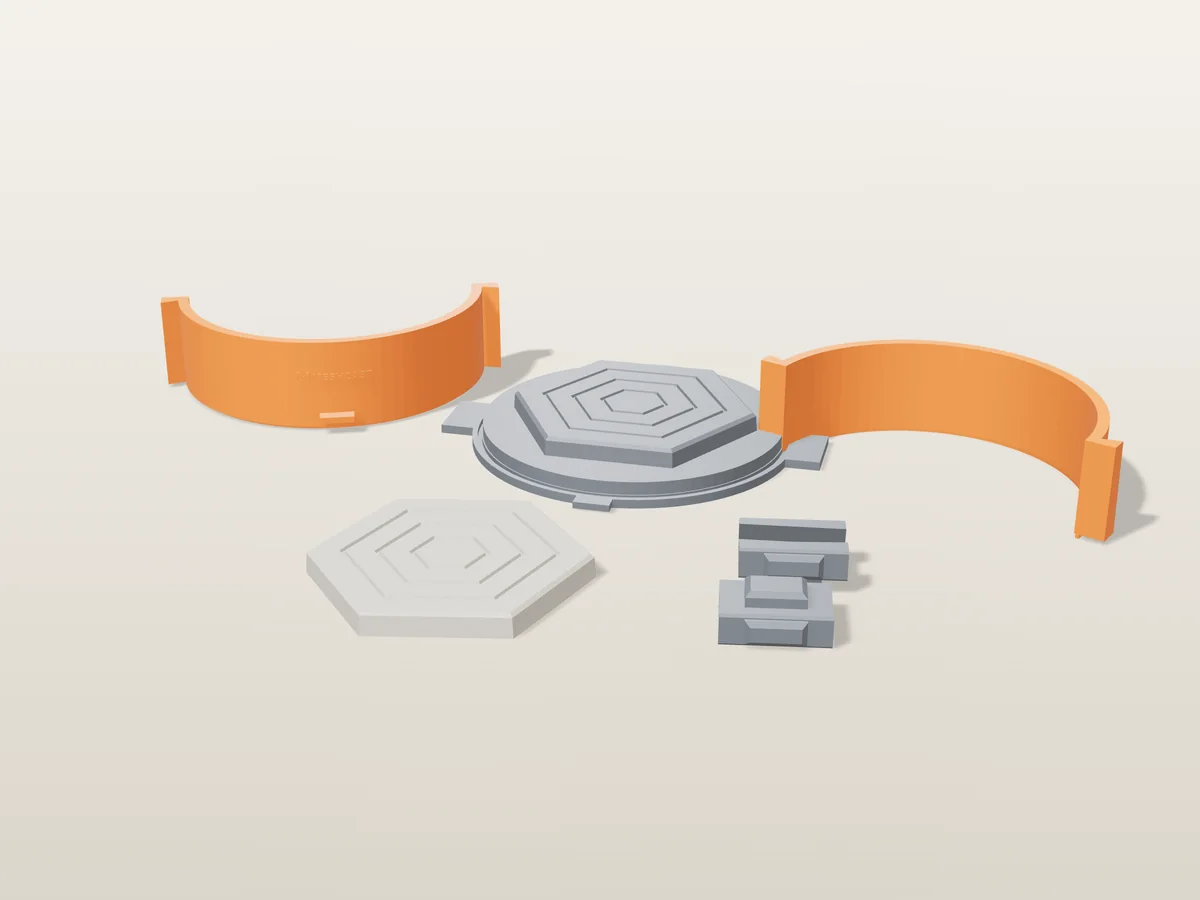
A 100 mm hexagon coaster with three nested grooves, as an open-face silicone mold.
 Pro early access
Concrete
Pro early access
Concrete
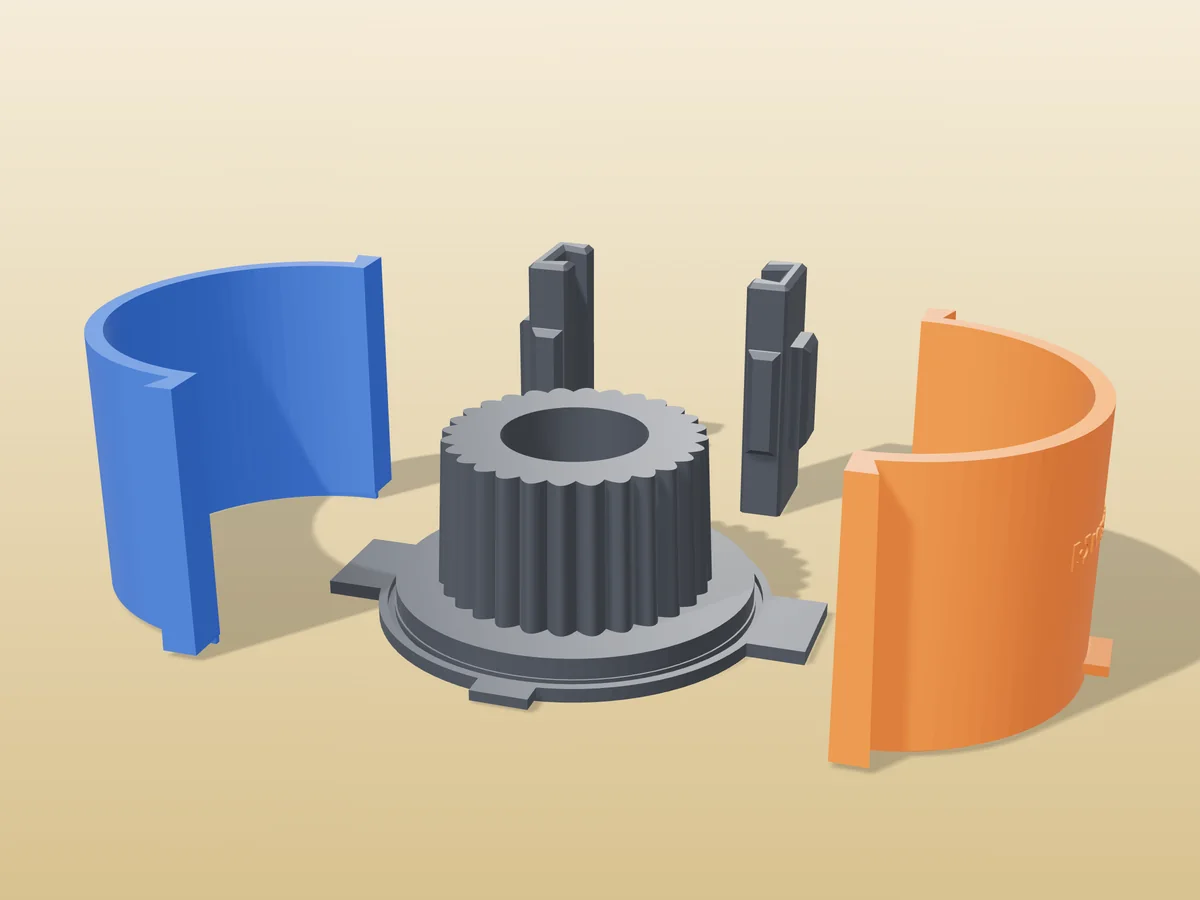
A fluted concrete tealight holder, 78 mm across, as a silicone mold from printed parts.
 Pro early access
Concrete
Pro early access
Concrete
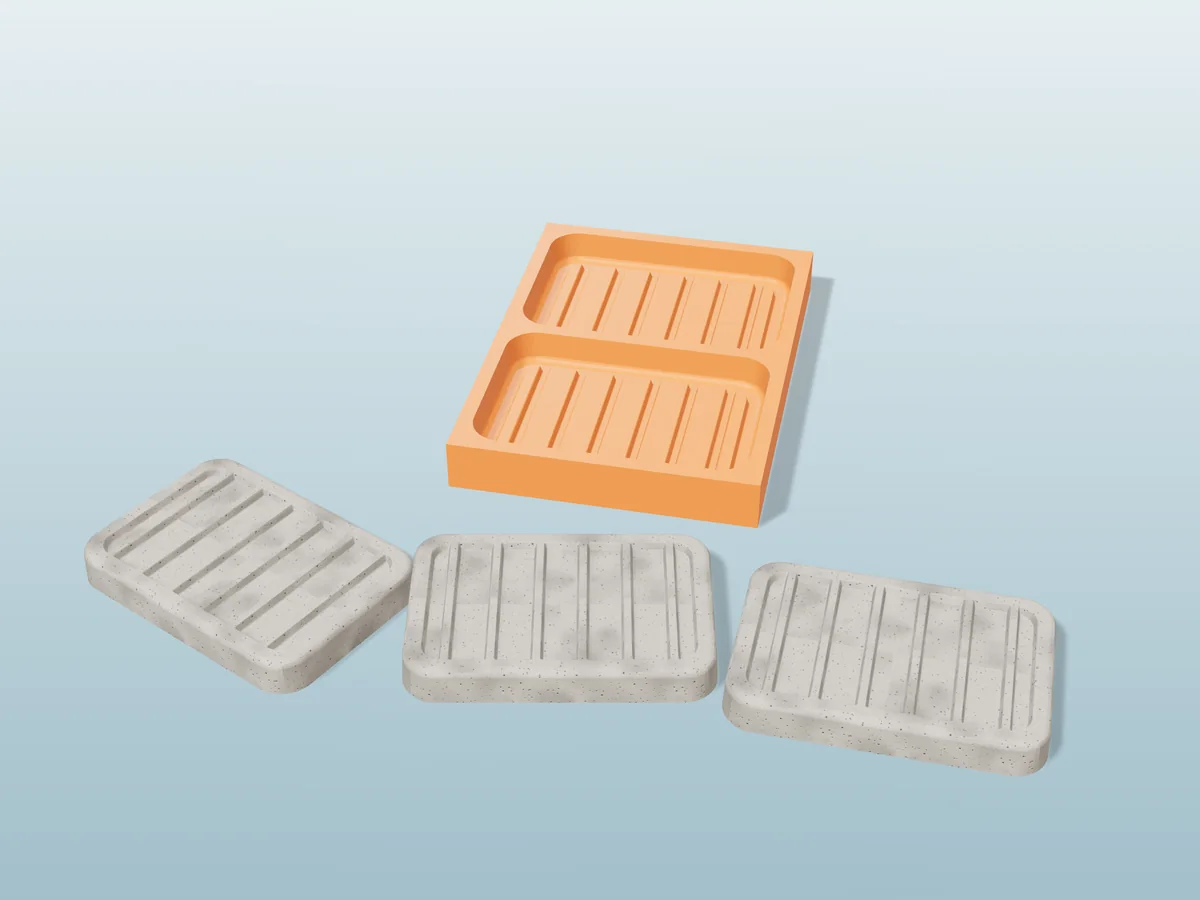
Two concrete soap dishes with a rim and drain ridges, cast straight in a printed tray.
 Pro early access
Concrete
Pro early access
Concrete
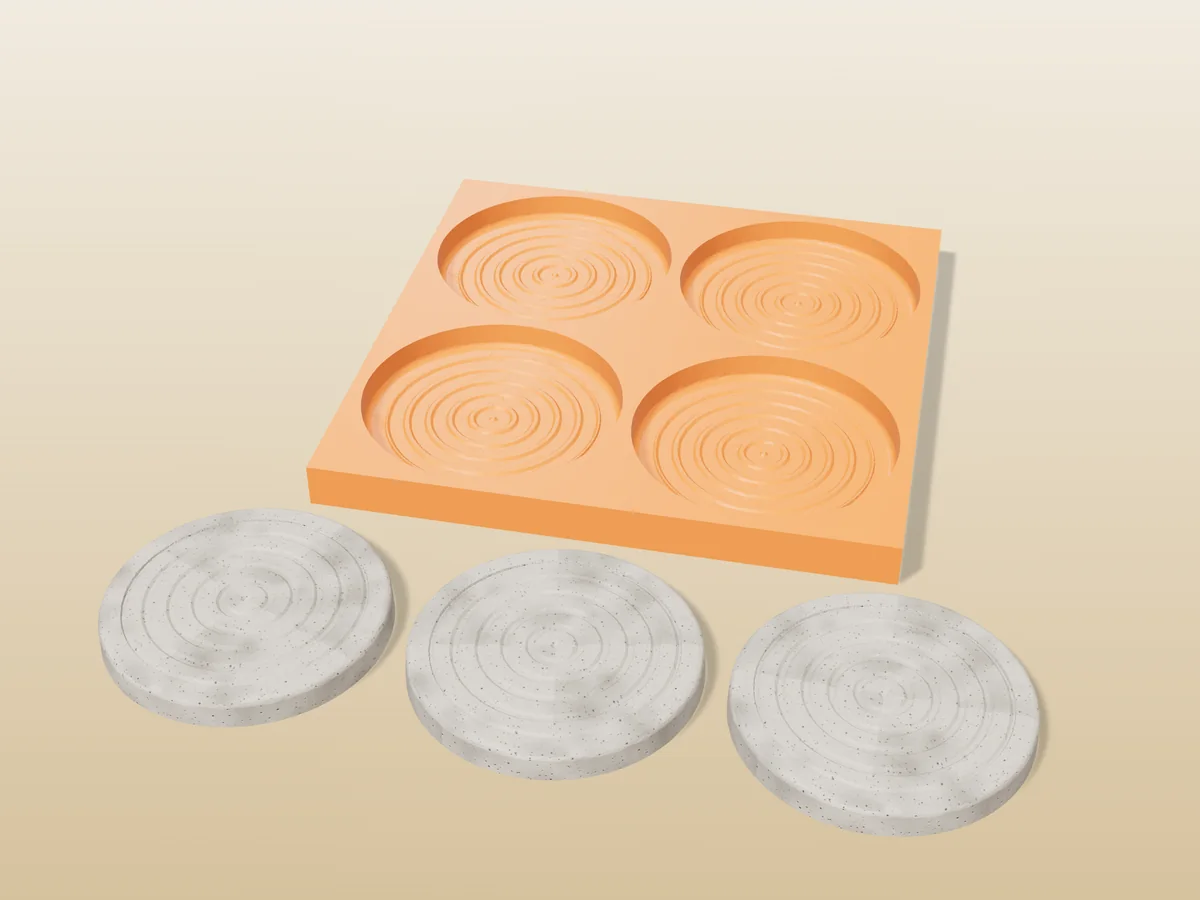
Four round concrete coasters with ripple grooves, cast straight into a printed tray.
 Pro early access
Concrete
Pro early access
Concrete
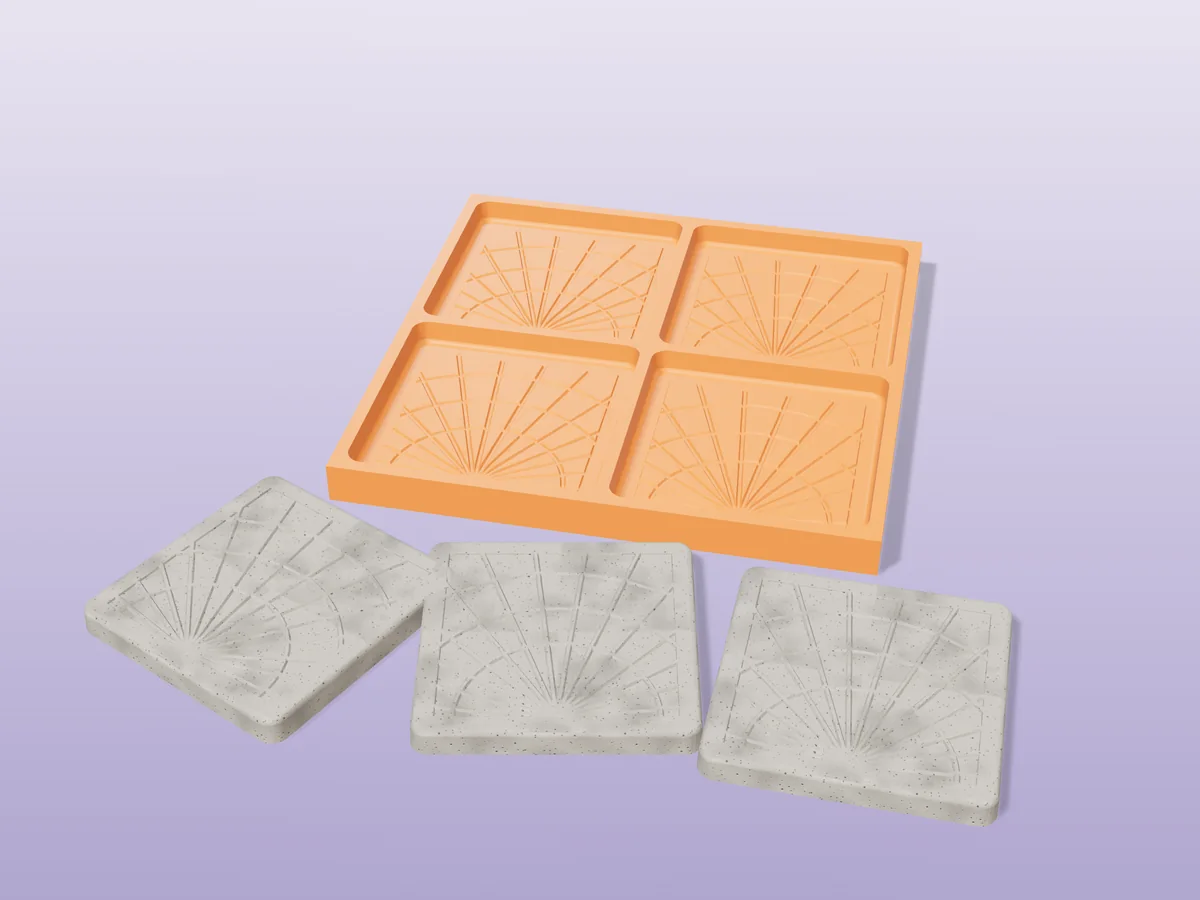
Four square art deco coasters with a sunburst in the face, cast in a printed tray.
 Pro early access
Concrete
Pro early access
Concrete
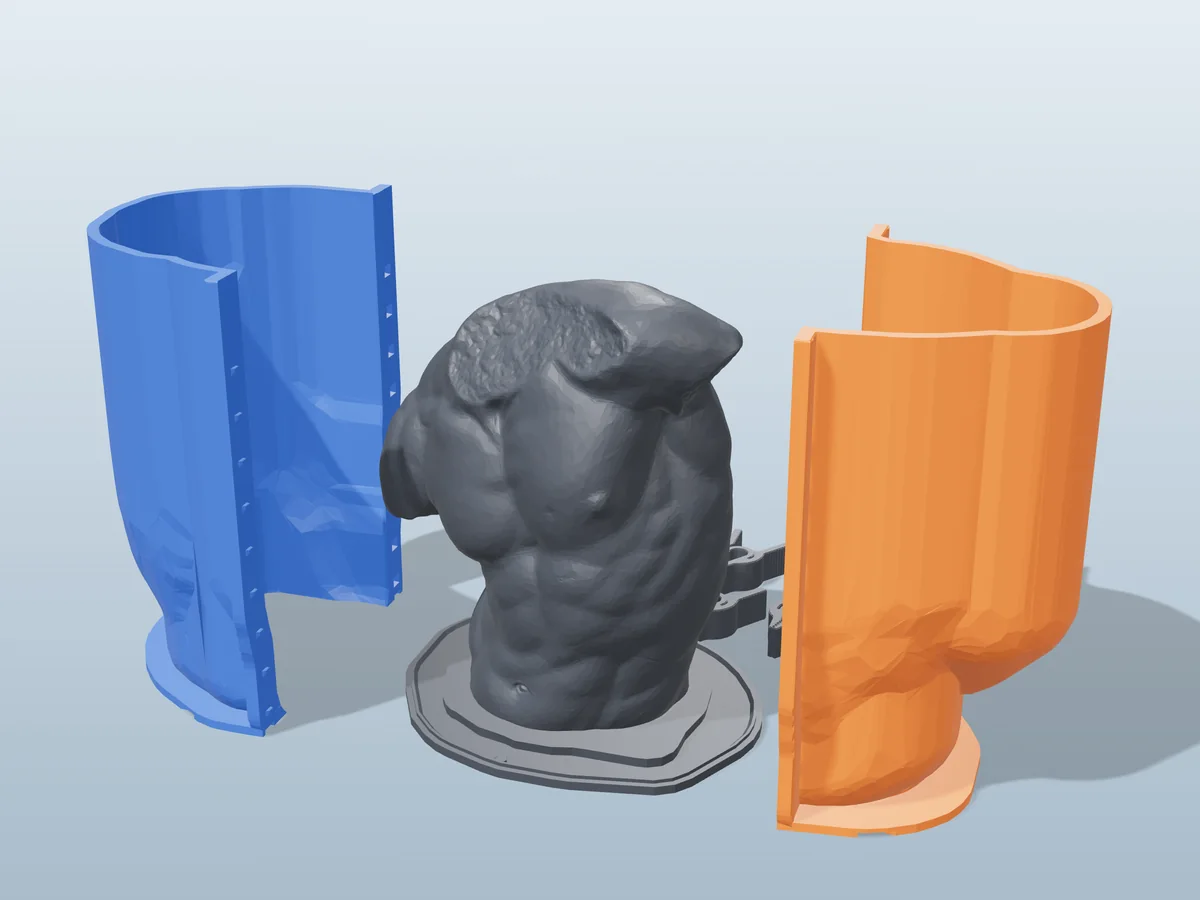
Cast a 140 mm classical male torso in concrete or plaster. Silicone mold kit.
 Concrete
Reusable two-part mold with an inner core. Cast a ribbed vase or planter in concrete.