◆ Concrete
Spider web concrete coaster tray mold
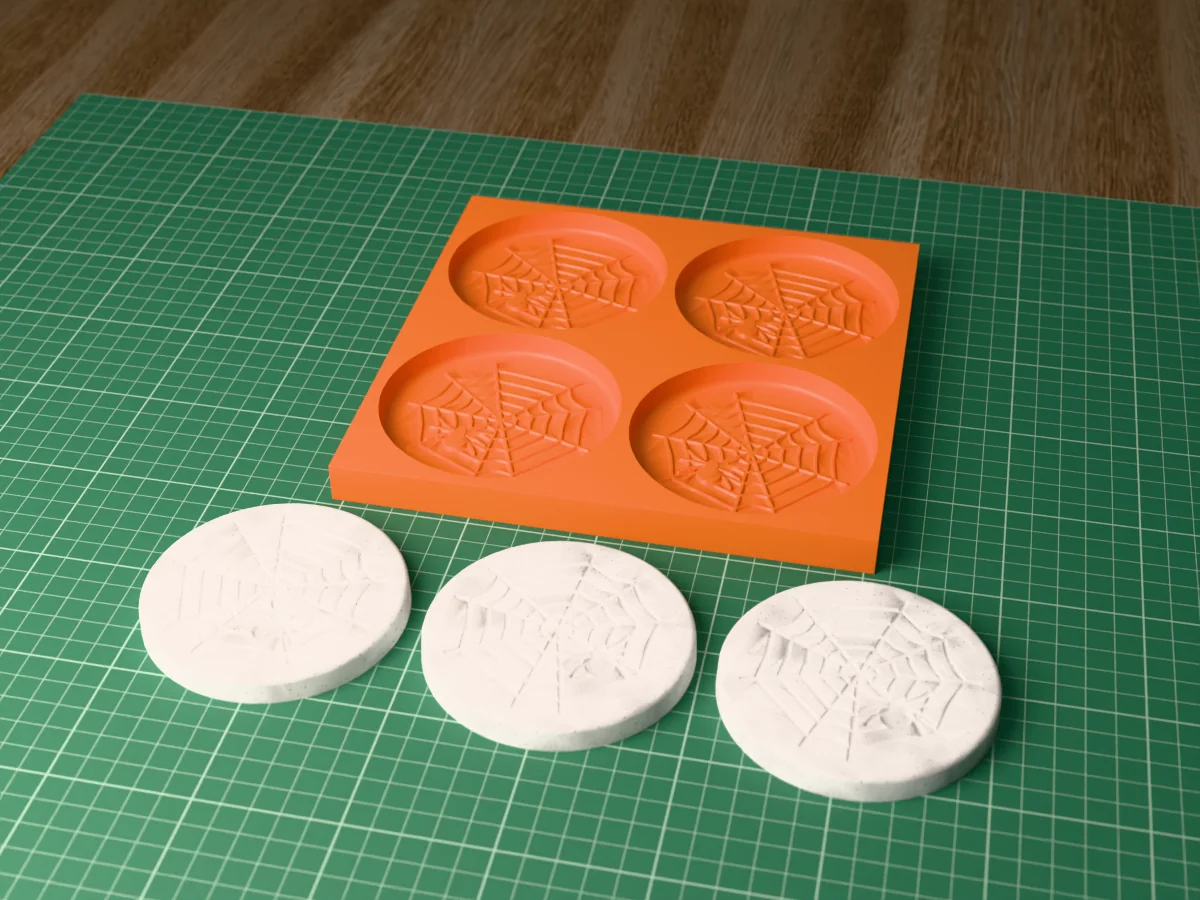
Four spider web coasters with a spider on each, cast in concrete straight into a printed tray.
◆ Concrete
Four spider web coasters with a spider on each, cast in concrete straight into a printed tray.
A printed tray for four round coasters, each 96 mm across and 10 mm thick, with a spider web engraved in the face: nine spokes and five rings that sag between them like real silk, and a spider sitting on the web. A plain band runs round the edge and the face is flat, so a mug still sits level.
Made with our tray mold generator in its rigid tray mode: print the tray, wipe in release and pour concrete, Jesmonite or plaster straight in, no silicone at all. Every groove has sloped sides, so the coaster lifts out of the rigid tray with the web crisp.
A Halloween set that can stay out all autumn: rub a black wash into the grooves so the web shows, or leave the concrete raw. The zip carries the tray exactly as the tool exported it, one coaster on its own as an STL, the master uploaded to the tool, and a print and pour sheet with the volume of each cavity.
Shown as a 3D render of the printed tray with three concrete coasters in front, not a photo.
Print the tray as exported, cavities up, no supports. PLA is fine.
Wipe a thin film of mold release or cooking oil into every cavity, including the grooves.
Mix a fine concrete or Jesmonite to a thick pour, fill each cavity, and vibrate it out: tap the tray on the table or hold a sander against the side for a minute until no more bubbles rise.
Cover the tray and let it cure for 24 hours, then flex the tray and tip the pieces out. Sand the back flat, and seal them once they have dried for a few days.
Print details
| Cast material | Concrete |
|---|---|
| Printed parts | 1 |
| Size (W x D x H) | 209 x 209 x 16 mm |
| Print bed needed | 209 x 209 mm, 17 mm tall |
| Filament | ~226 g |
| Layer height | 0.2 mm |
| Infill | 15% |
| Supports | Not needed |
| Download | ZIP: printed tray (STL) + one coaster (STL) + tool master (STL) + print and pour sheet |
| Added | 2026-09-26 |
Pro early access until October 26, 2026, then free with any account.
Like it or post your print on Thingiverse
Make your own tray mold →Made with the free Tray mold generator. Upload your own model and get the same kind of mold built around it, in your browser.
Free for personal use. Selling the pieces you cast needs a commercial licence (Pro or Founder); passing on the file itself is not permitted on any plan. Full terms.
New to casting? Read the ice cube tray mold guide.
Seal the coaster once and let it dry, then brush thinned black acrylic over the face and wipe the flat with a damp rag straight away. The paint stays in the grooves and the spider, and the sealer underneath stops it staining the flat. Seal again over the top.
Usually a missed spot of release in the web, the finest part of the cavity. Brush the release into every groove with a soft brush rather than wiping it on, and demold after a full day. Flex the tray corners first so air gets under the coaster before you tip it out.
Yes, with a strong casting plaster, and the web comes out crisp and white. Plaster is softer and marks from wet glasses, so seal the coasters well and glue cork to the back. Concrete or Jesmonite is the better pick for coasters in daily use.
 ConcretePro early access
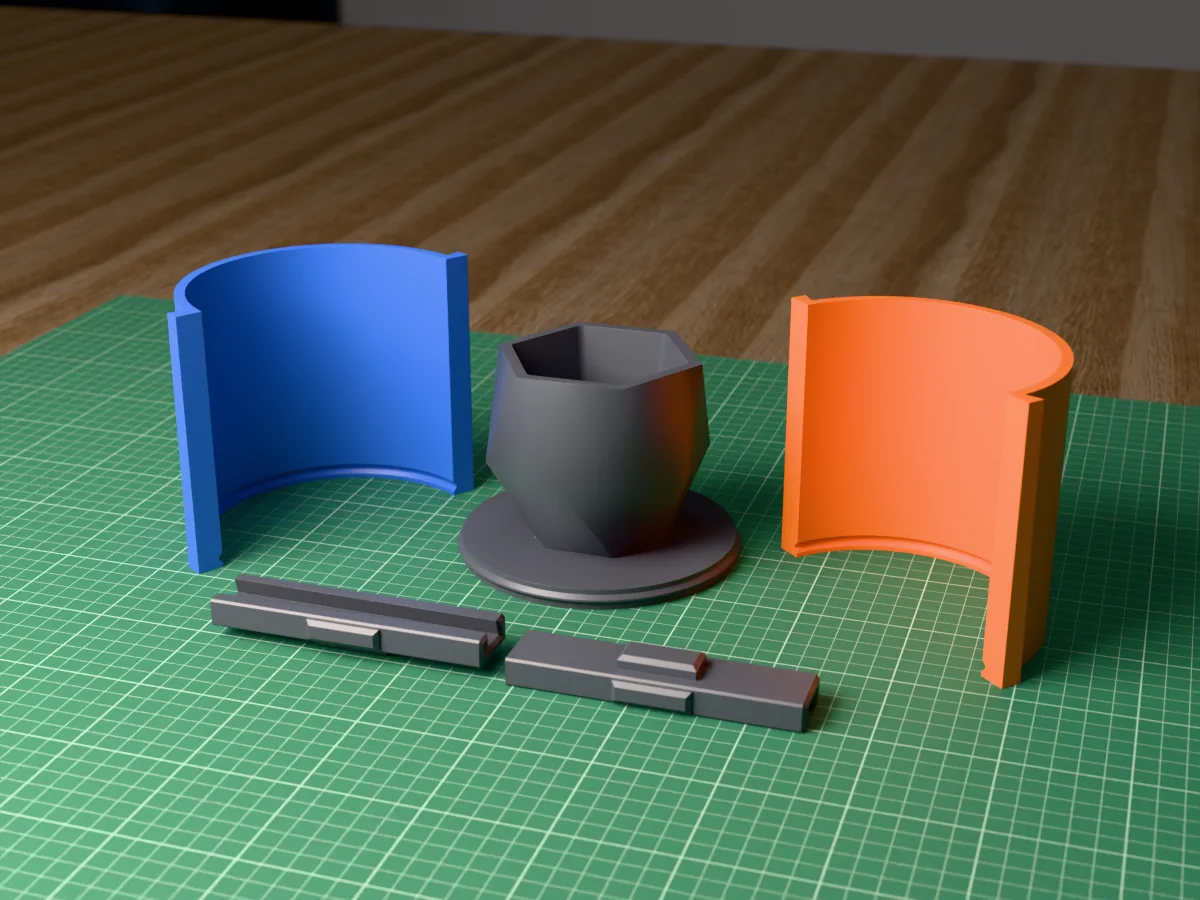
A low-poly geometric planter, 110 mm across and 90 mm tall, to cast in concrete. A silicone mold kit from printed parts.
 ConcretePro early access
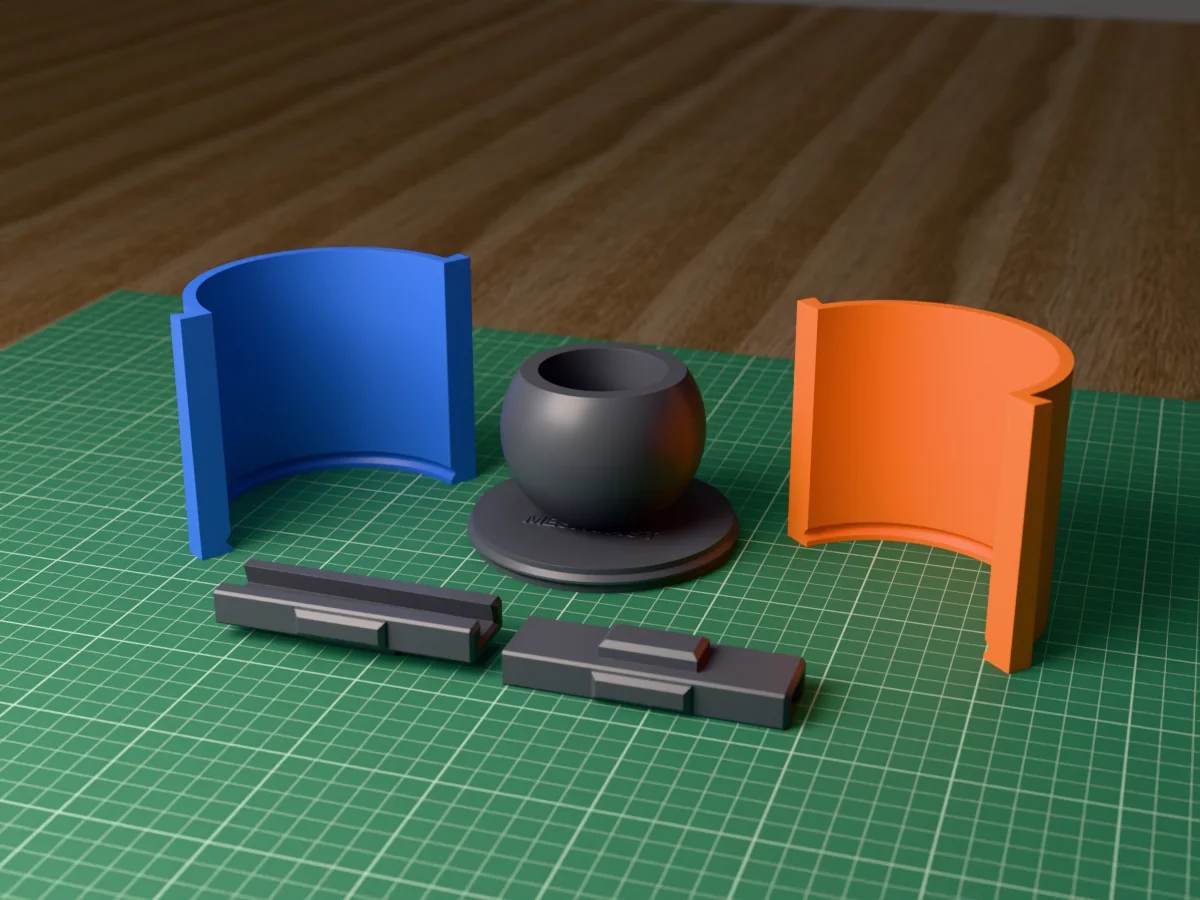
The classic 8 x 6 cm sphere planter to cast in concrete, with a drainage hole. A silicone mold kit from printed parts.
 ConcretePro early access
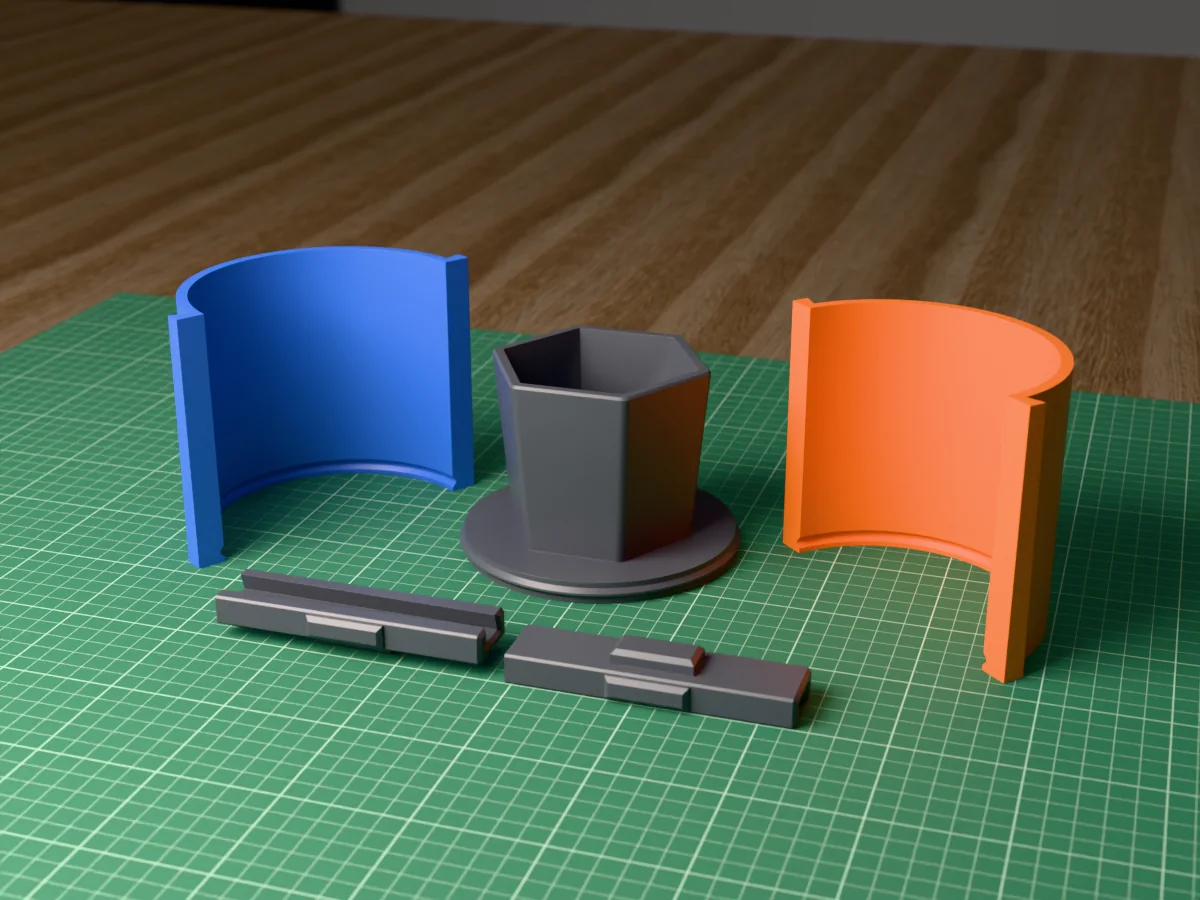
A hexagon planter, 90 mm across the flats, to cast in concrete with even 8 mm walls. A silicone mold kit from printed parts.
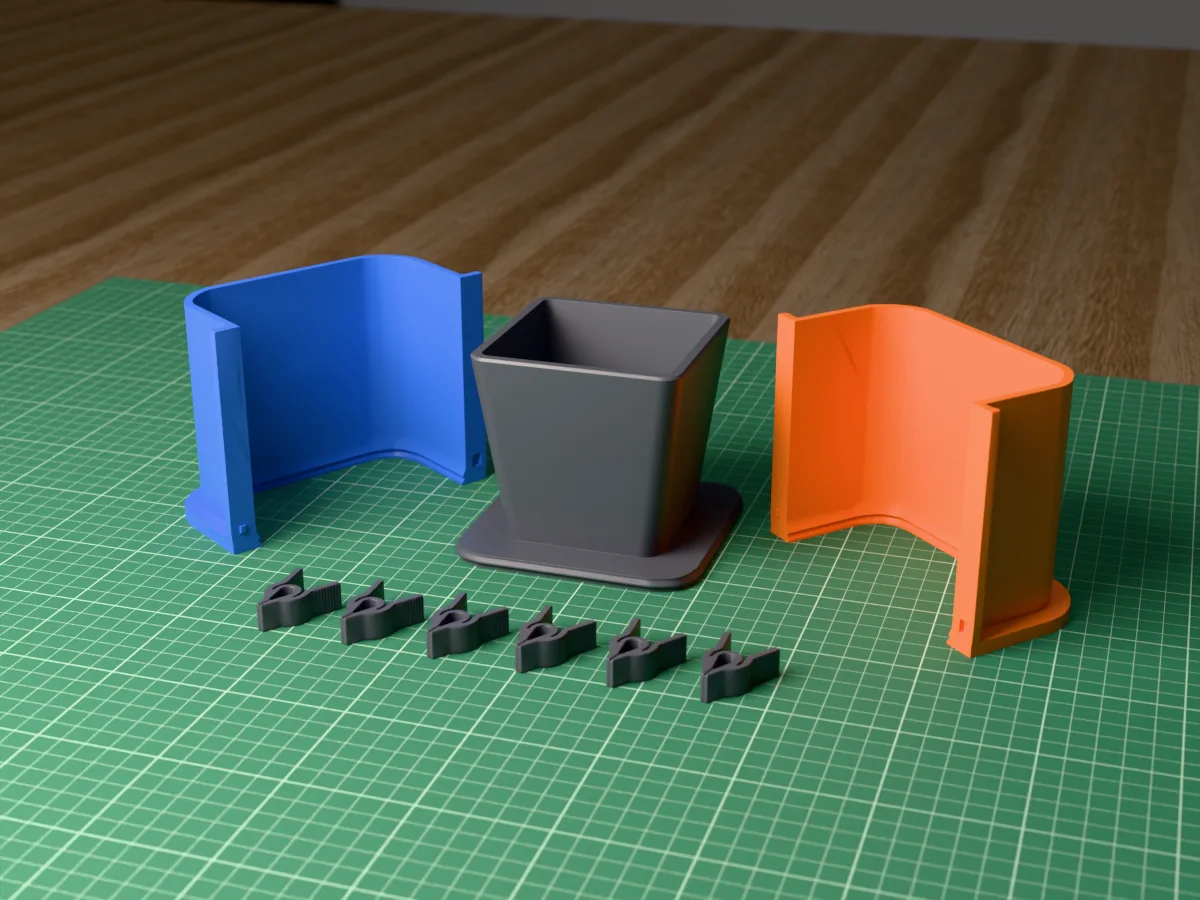 ConcretePro early access
A tapered square planter, 95 mm at the rim and 88 mm tall, to cast in concrete. A silicone mold kit from printed parts.
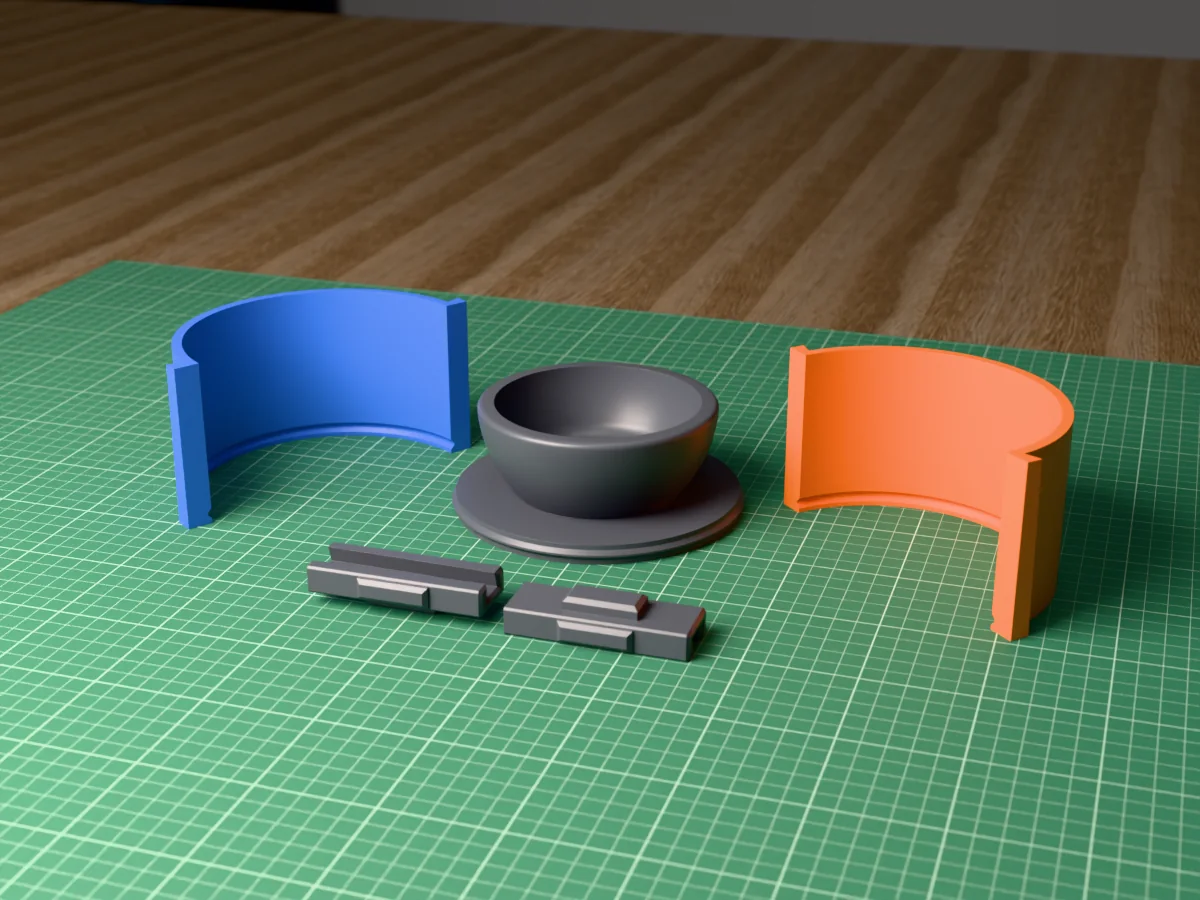 ConcretePro early access
A 120 mm succulent bowl to cast in concrete, with a rounded rim and a drainage hole. A silicone mold kit from printed parts.
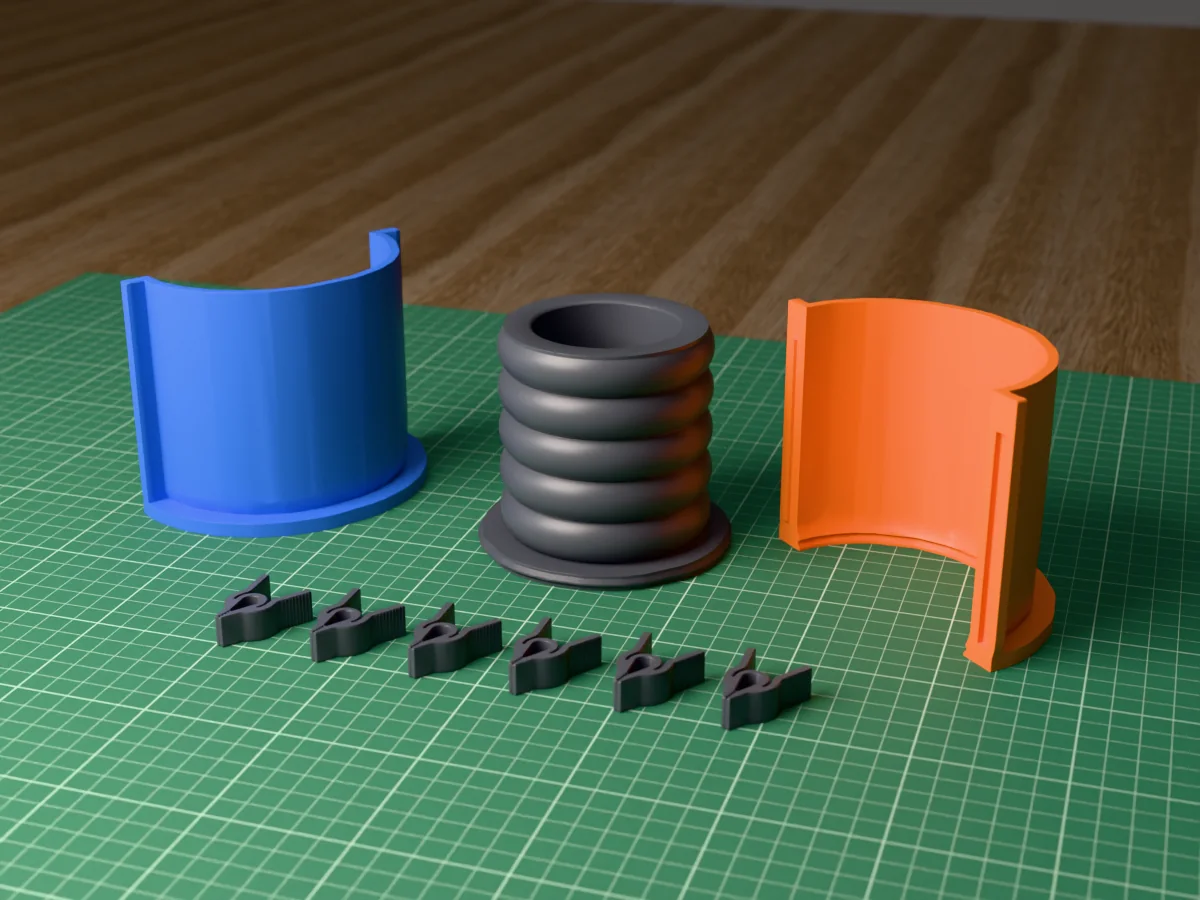 ConcretePro early access
A ring-stack planter, 85 mm tall with five soft ripples, to cast in concrete. A silicone mold kit from printed parts.
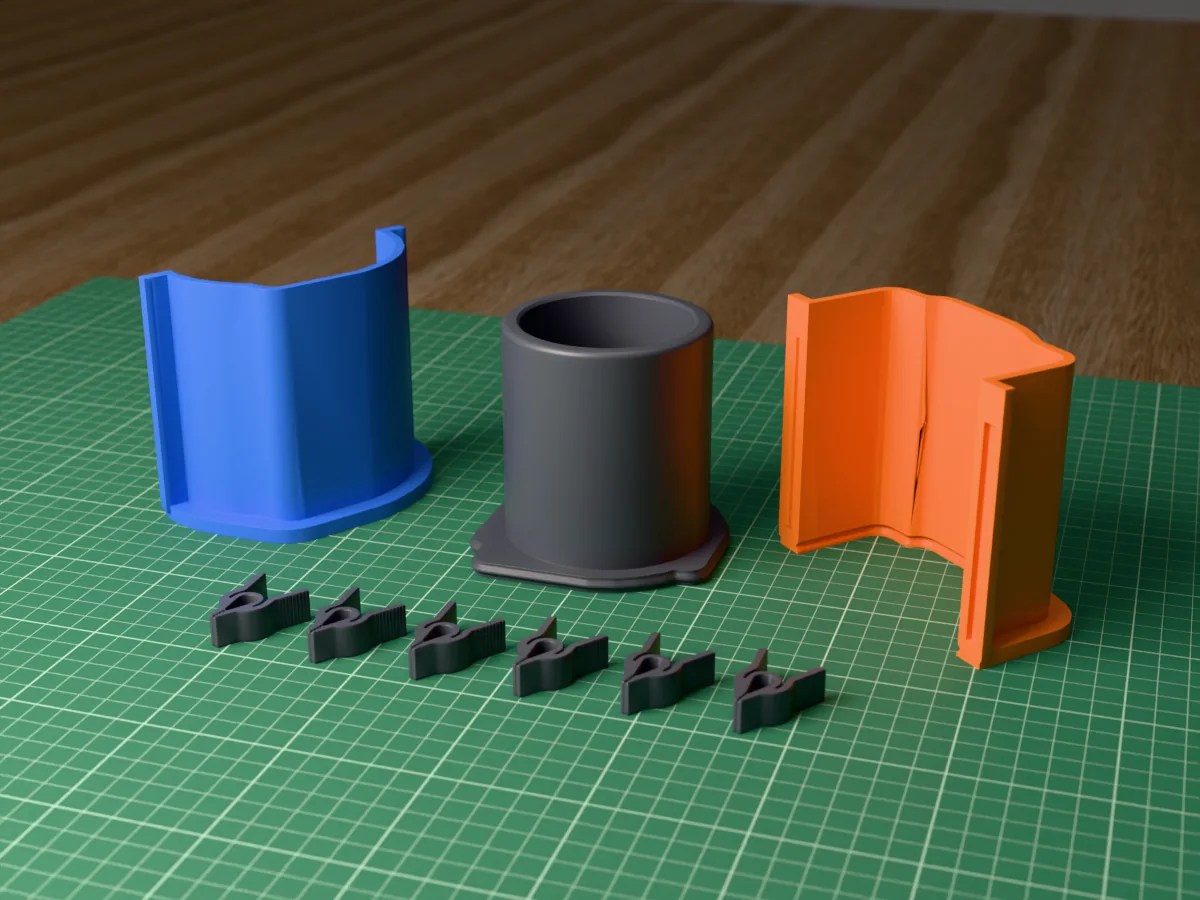 ConcretePro early access
A straight concrete candle jar, 80 mm across, for the classic 8 oz candle. A silicone mold kit from printed parts.
 ConcretePro early access
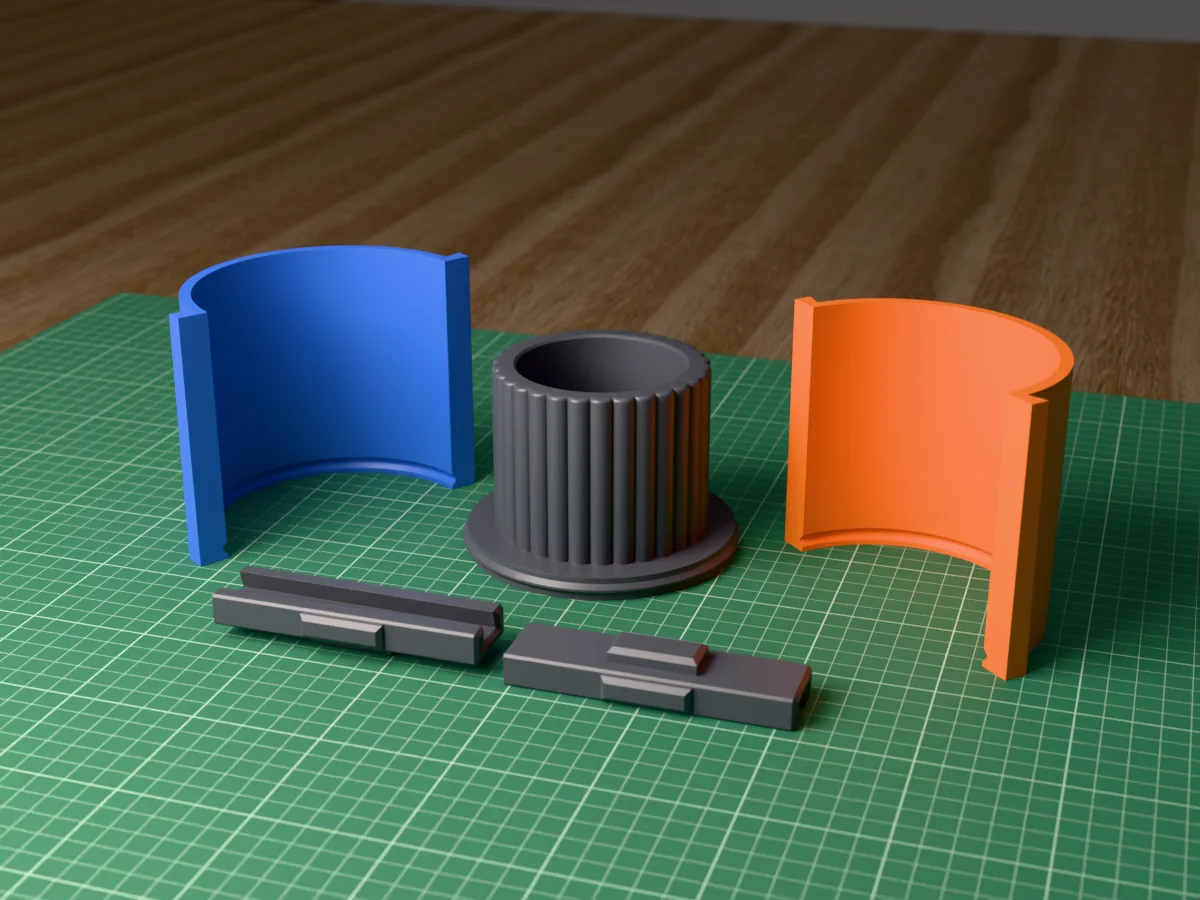
A ribbed concrete candle vessel, 92 mm across with 30 rounded ribs. A silicone mold kit from printed parts.