◆ Candle wax
Bubble heart candle mold
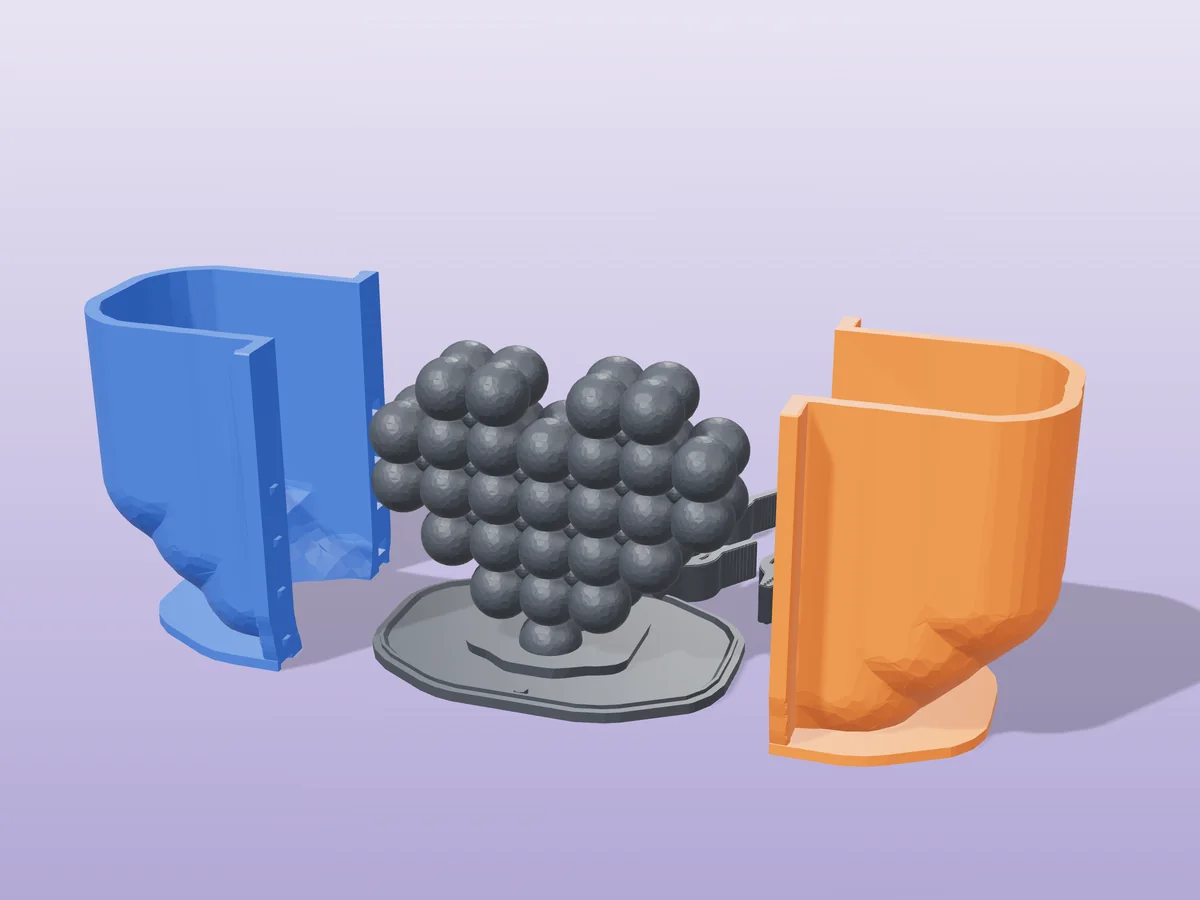
A bubble heart candle, 98 mm wide: a pixel heart of round bubbles, two layers deep. A silicone mold from a printed shell.
◆ Candle wax
A bubble heart candle, 98 mm wide: a pixel heart of round bubbles, two layers deep. A silicone mold from a printed shell.
A bubble heart candle 98 mm wide, 81 mm tall and 30 mm deep: the classic pixel heart built from round bubbles, four across the top, seven across the middle and down to a single bubble at the point, two layers deep so it stands on its own.
Made with the hugging-shell mode of our silicone mold maker: print the base with the heart fused onto it and the two shell halves, pour about 321 ml of silicone, and the flexible mold that comes out peels off every bubble waist a rigid mold would lock on. The gaps between the bubbles are filled with small rounded fillers, so the candle comes out solid, with no holes through it.
A favourite for Valentine's Day, weddings and Mother's Day, poured in blush pink, red or cream. The zip carries every printed part, the heart master as its own STL, the tool's own print-settings sheet and a recipe file for the generator.
Shown as a 3D render of the printed mold parts pulled apart around the master, not a photo.
Print the base, which has the master already fused onto it, and the two shell halves. No supports.
Stand the shell halves on the base around the master and hold the seams shut with steel binder clips. The seats for them are built into the shell.
Tape the outside seams or run a bead of hot glue along them, because silicone finds every gap.
Mix 352 ml of silicone in one batch, pour it into the open top in a thin stream, and fill level with the rim.
Once it has cured, unclip the shell and slide each half off SIDEWAYS, not upward: the master is wider above its foot, so the base rib is left open for that. Then peel the silicone off the master. That silicone is your mold.
Before the first cast, cut a thin vent slit in the cured silicone from the small pocket just above the point of the heart to the opening: the generator flags about 2 ml of air that would otherwise stay trapped there.
Set the silicone back in the shell to keep its shape, and cast into it through the opening the base left.
Print details
| Cast material | Candle wax |
|---|---|
| Printed parts | 9 |
| Size (W x D x H) | 131 x 78 x 92 mm |
| Print bed needed | 102 x 79 mm, 92 mm tall |
| Filament | ~234 g |
| Layer height | 0.2 mm |
| Infill | 15% |
| Supports | Not needed |
| Download | ZIP: 9 printed parts in 4 STL files + candle master (STL) + print sheet + recipe |
| Added | 2026-09-25 |
Pro early access until October 25, 2026, then free with any account.
Make your own silicone mold →Made with the free Silicone mold maker generator. Upload your own model and get the same kind of mold built around it, in your browser.
Free for personal use. Selling the pieces you cast needs a commercial licence (Pro or Founder); passing on the file itself is not permitted on any plan. Full terms.
New to casting? Read the silicone mold maker guide.
Down the heart's centre column: pierce the silicone at the top of the middle column with a wick needle and thread the wick down towards the point. Or pour first and push a heated wick pin down through the set candle.
Yes. It is two bubbles deep, 30 mm, and the bubbles at the point are cut flat into a foot about 17 by 30 mm. It stands on a level table; set it on a small dish while it burns, which also catches any drips.
The wax goes in through the opening at the heart's point, and between the bubbles there are little ceilings the rising wax closes over before the air can get out. About 2 ml stays trapped under one of them. Cut a thin slit in the cured silicone from that spot up to the pour opening (step 6 shows where) and the air escapes as you pour.
 Candle waxPro early access
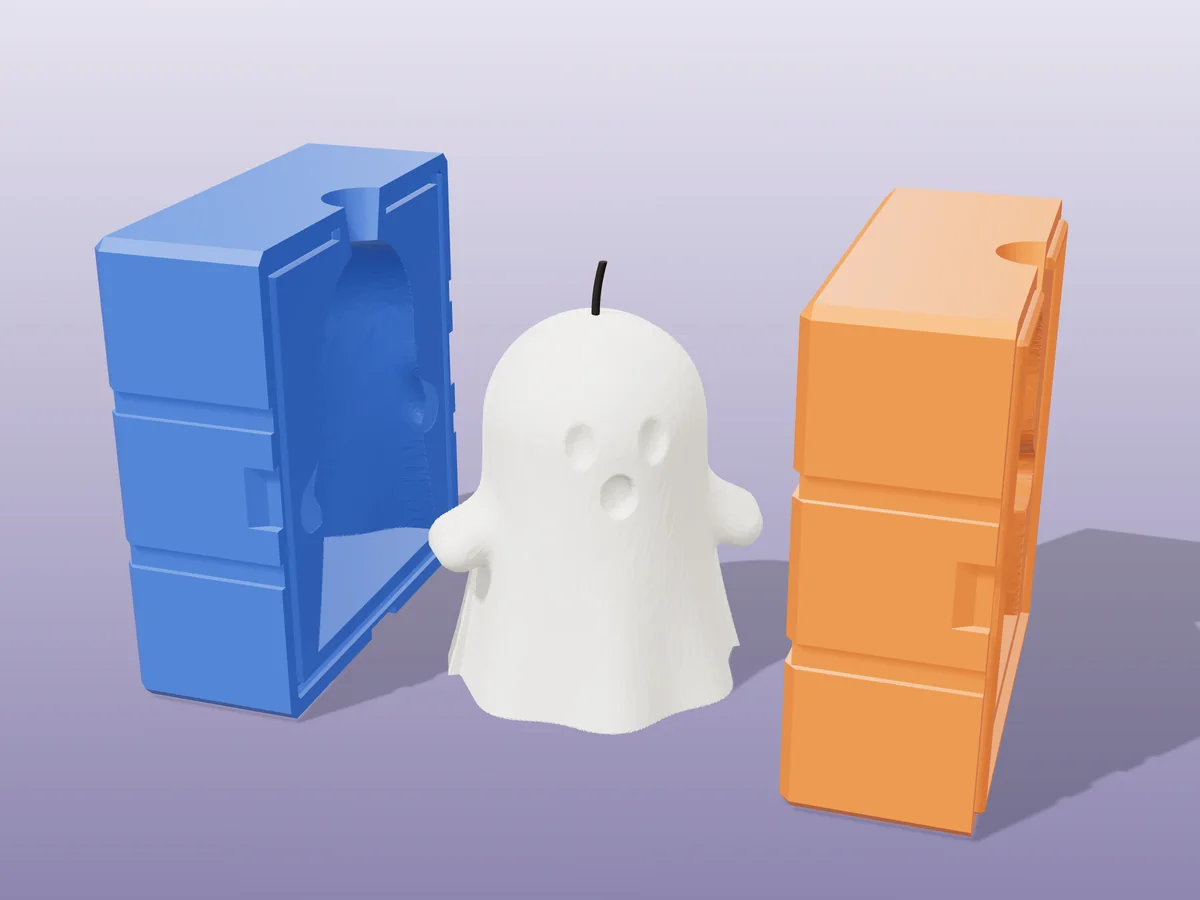
A little sheet ghost with big eyes and an "o" mouth, 86 mm tall. A rigid two-part print for Halloween candles.
 Candle waxPro early access
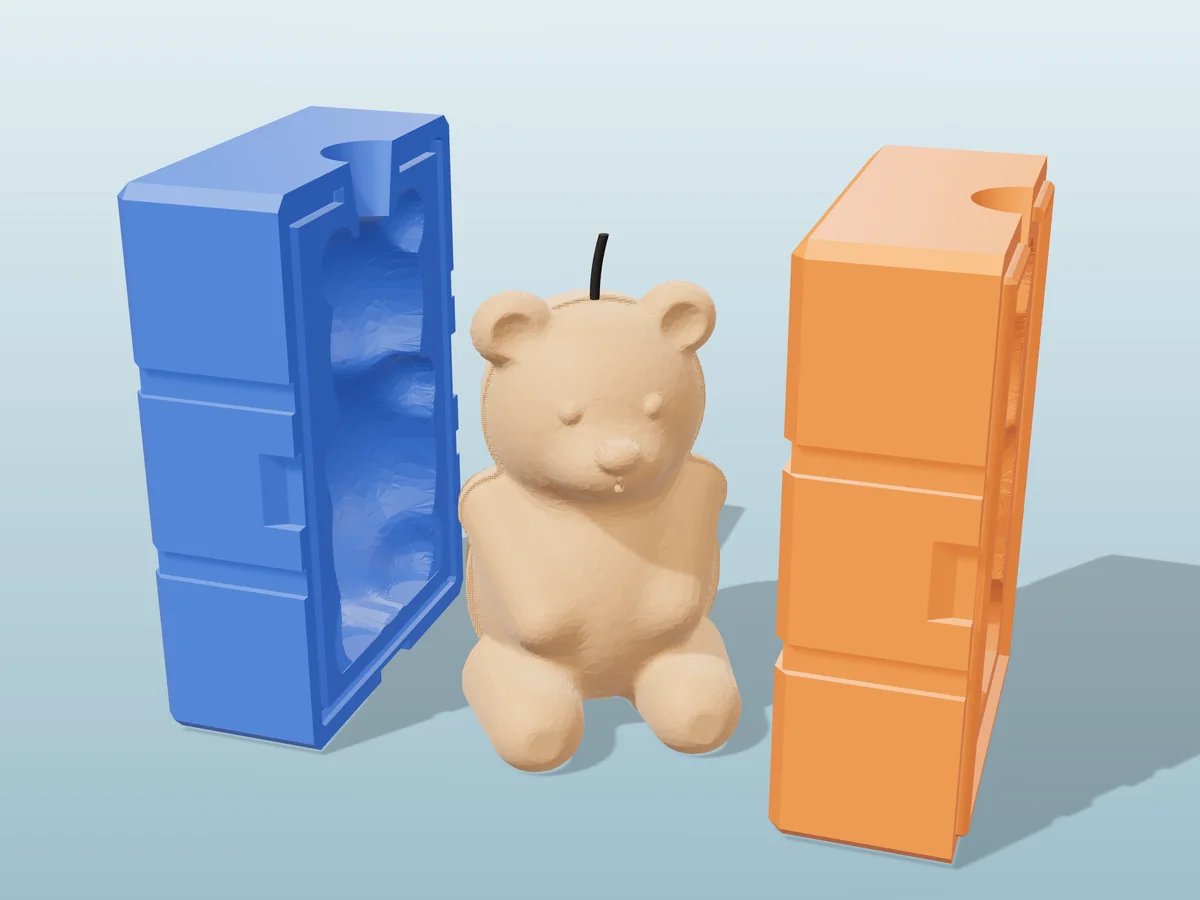
A sitting teddy bear with button eyes, a ribbon bow and its paws on its tummy. A rigid two-part print.
 Candle waxPro early access
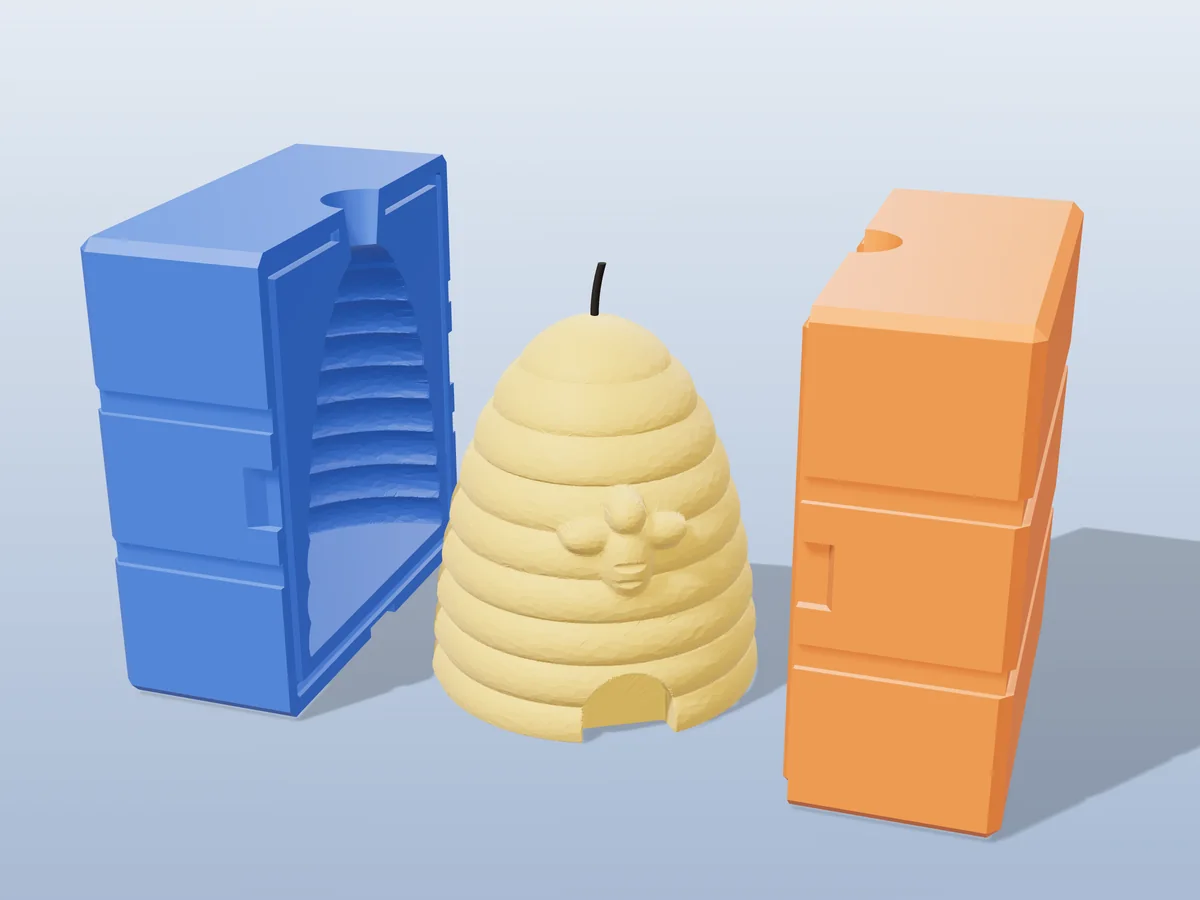
A traditional straw beehive with coiled bands, an arched entrance and a bee above the door. A rigid two-part print.
 Candle waxPro early access
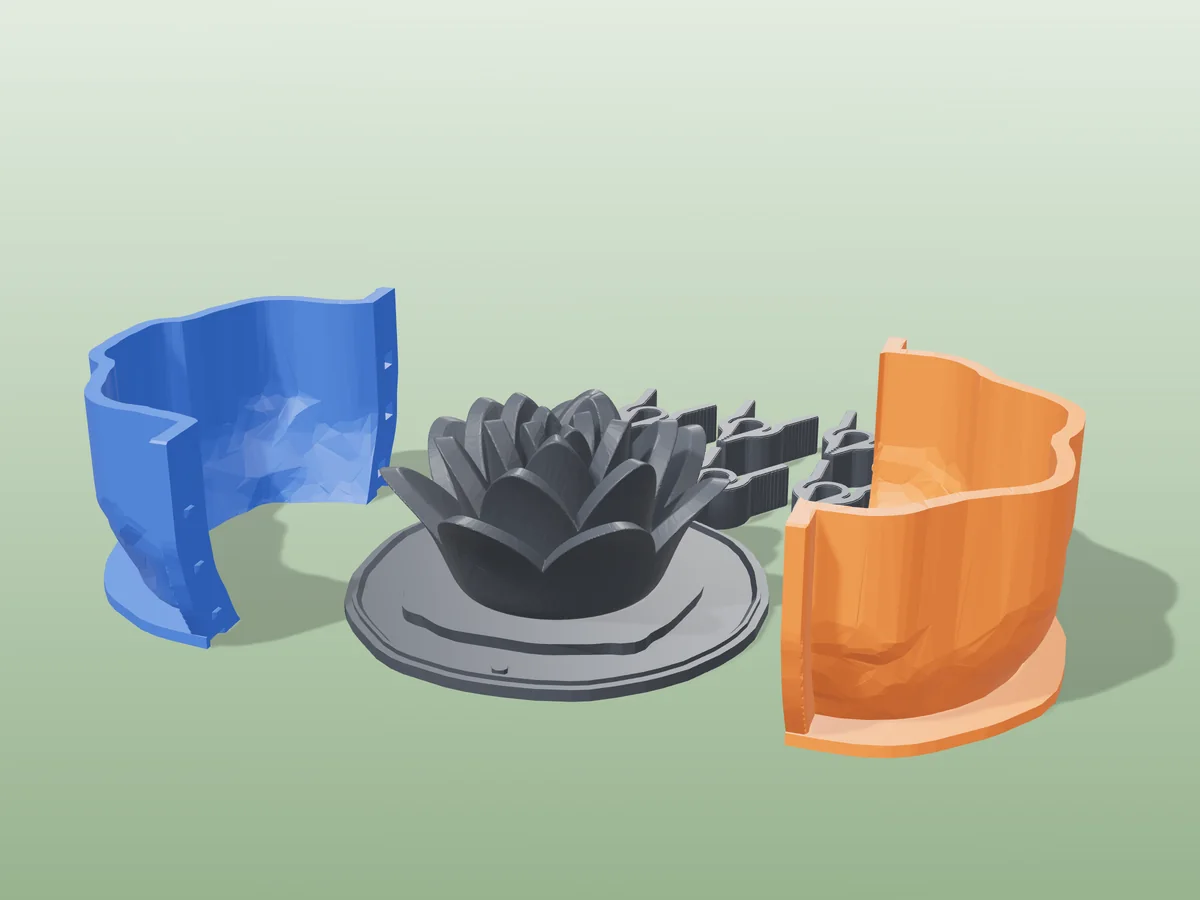
An 82 mm lotus flower candle, four rings of petals round a closed bud, as a silicone mold from a printed shell.
 Candle waxPro early access
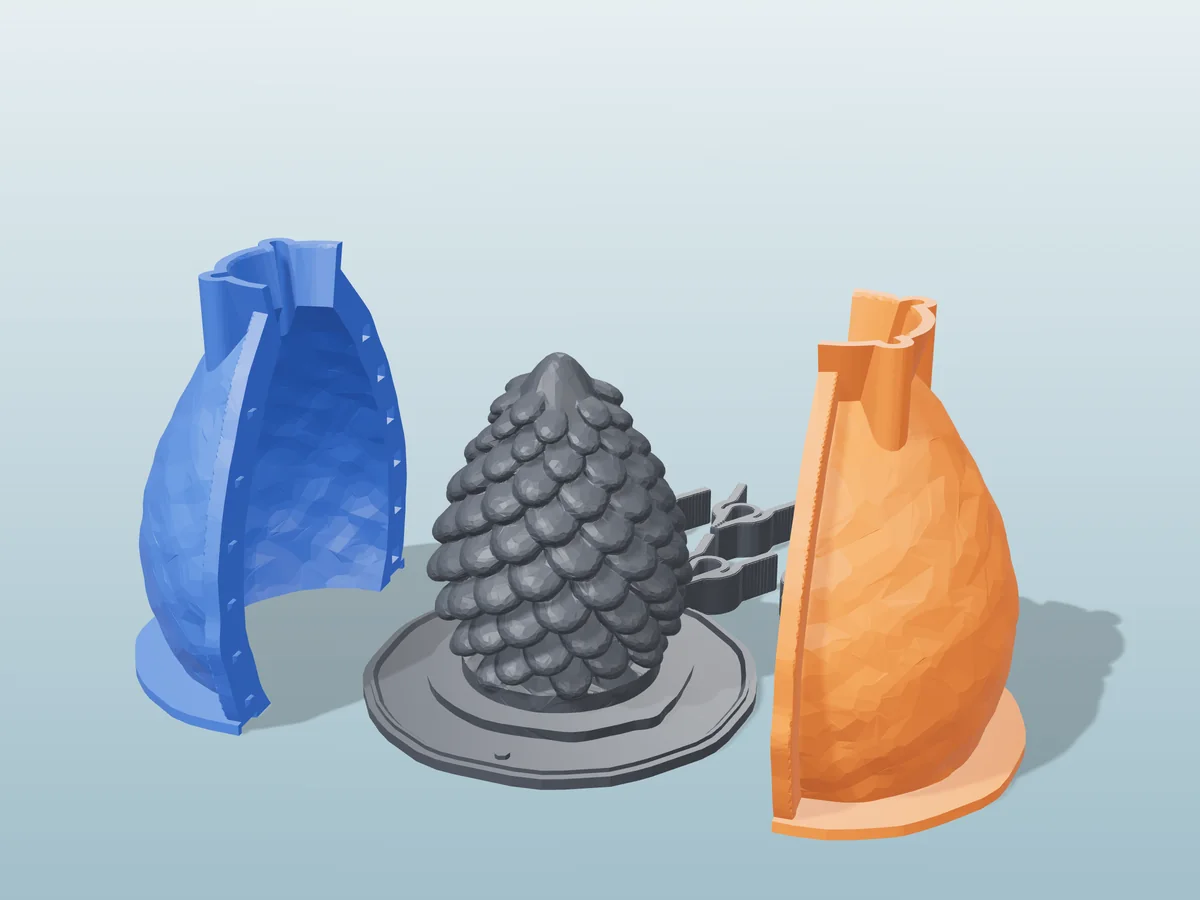
An 87 mm pine cone candle with 120 overlapping scales, as a silicone mold from a printed shell.
 Candle waxPro early access
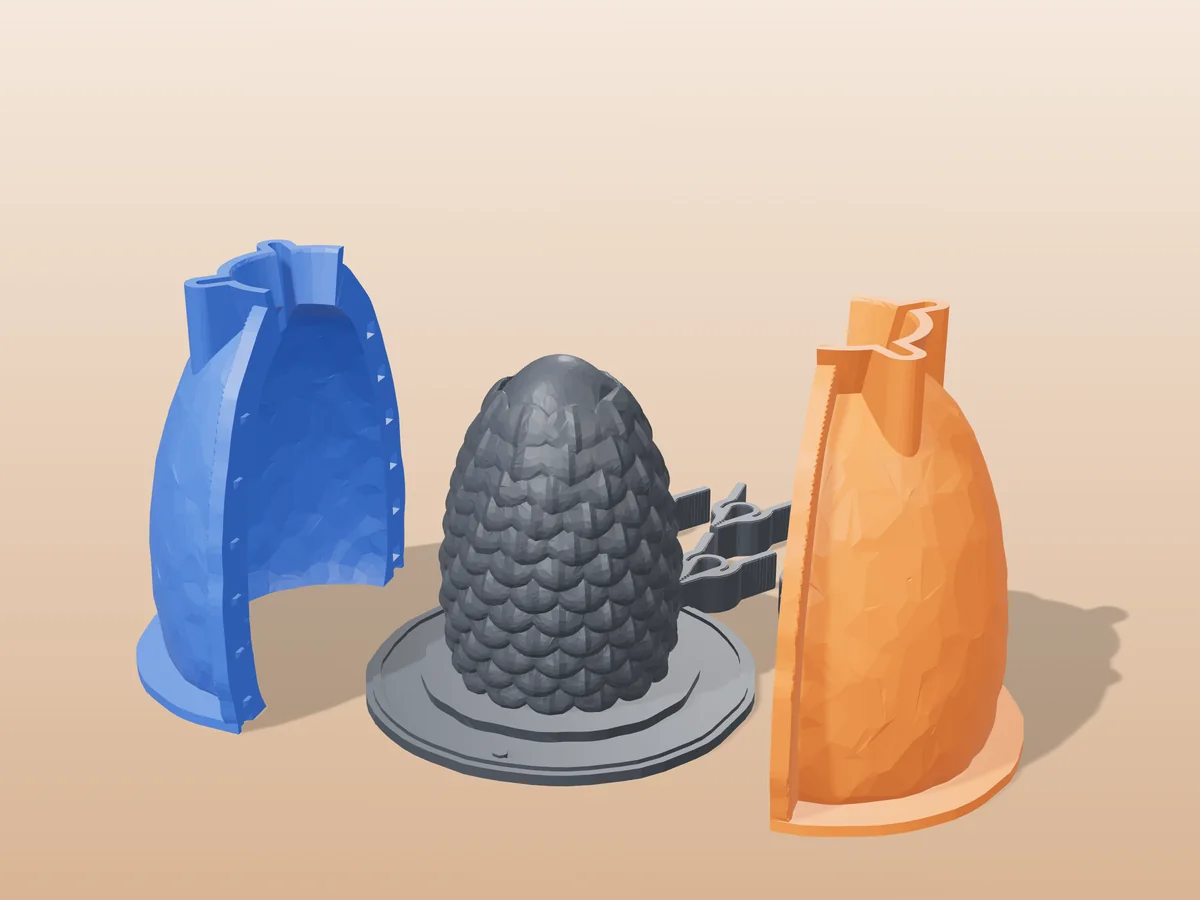
An 86 mm dragon egg candle covered in rows of overlapping scales, as a silicone mold from a printed shell.
 Candle waxPro early access
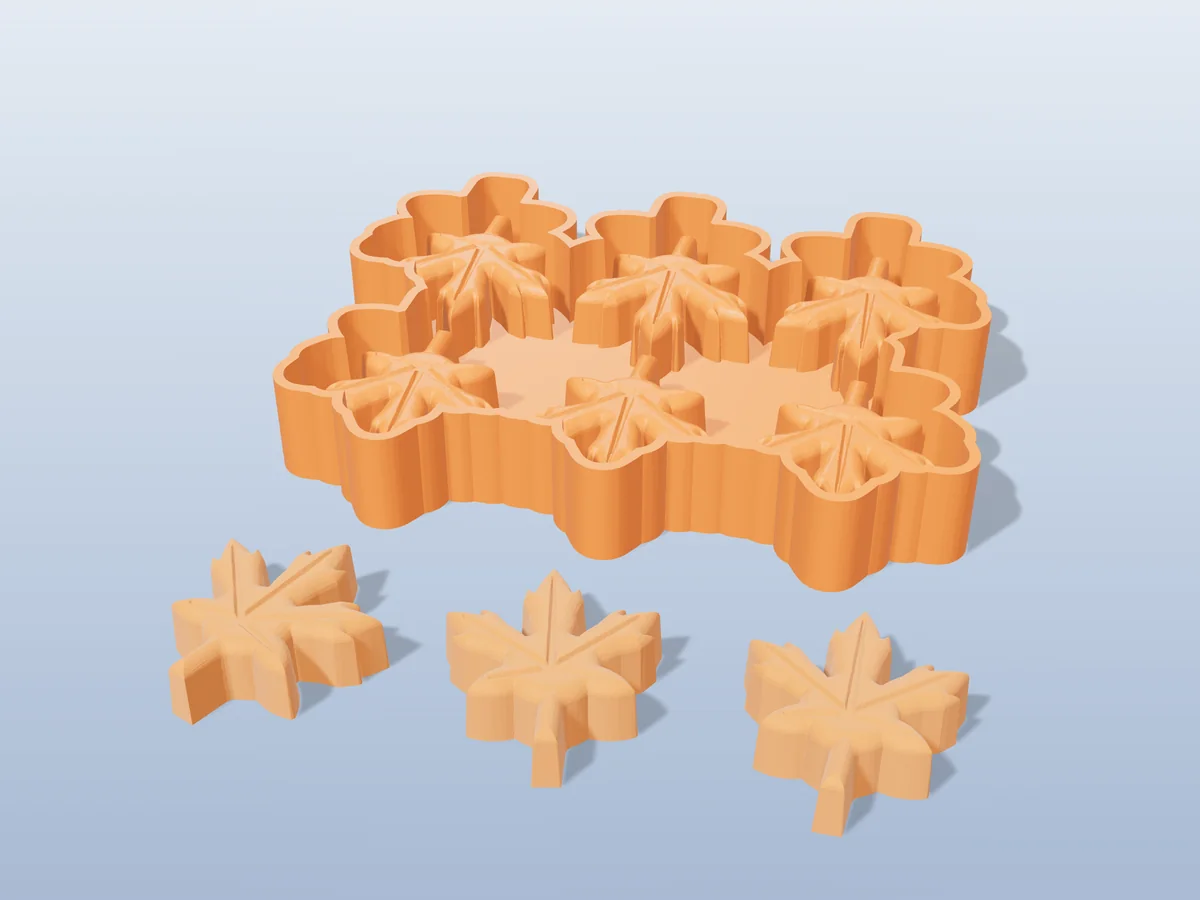
Six maple leaf wax melts per pour, with the veins pressed in, from a silicone tray you make yourself.
 Candle waxPro early access
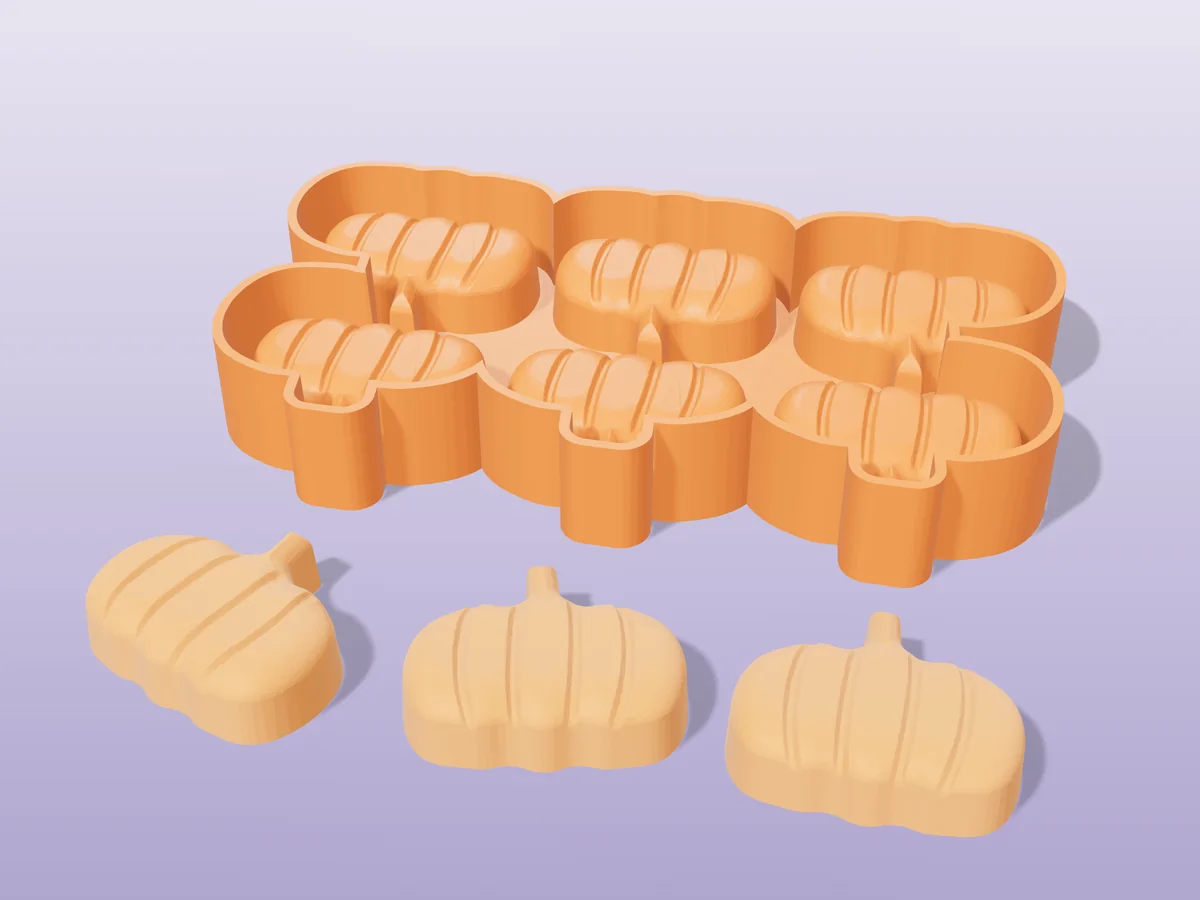
Six plump pumpkin wax melts per pour, ribbed and with a little stem, from a silicone tray you make yourself.