◆ Candle wax
Rubber duck wax melt tray mold
Six rubber duck wax melts per pour, with a raised wing and eye, from a silicone tray you make yourself.
◆ Candle wax
Six rubber duck wax melts per pour, with a raised wing and eye, from a silicone tray you make yourself.
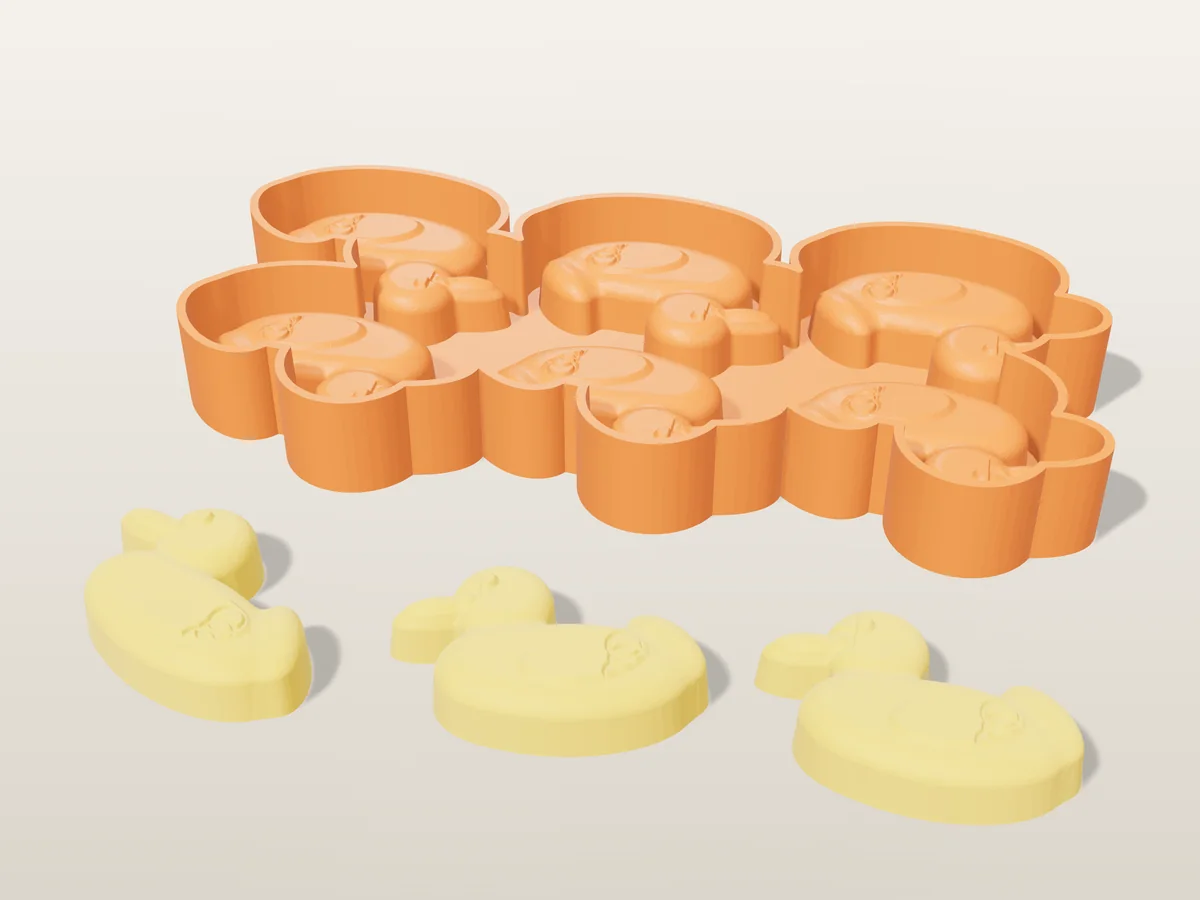
A tray of six rubber duck wax melts, each 60 mm long, 40 mm tall and 14 mm thick: a round body with its tail flicked up, a head with a flat beak, a raised wing with three feather lines, and a raised eye. The duck is drawn in code, not taken from any character.
Made with our tray mold generator in its flexible silicone tray mode. You print one part, a caster, pour silicone into it, let it cure and peel it out: that silicone is a bendy six-cavity tray, and the ducks pop out of it with their edges intact.
The duck candle is one of the most popular designs in this catalog, and these melts are the small, cheap version for a market stall or a gift bag. Pour them in classic yellow, pastels for a baby shower, or clear with a little shimmer. The zip carries the printed caster exactly as the tool exported it, one duck on its own as an STL, the master uploaded to the tool, and a print and pour sheet with the silicone figure the tool measured.
Shown as a 3D render of the printed caster with three melts in front, not a photo.
Print the caster as exported, open side up. It is one part, so there are no seams to seal. No supports.
Set it on a level surface. Mix 244 ml of silicone in one batch and pour it into one corner in a thin stream, letting it flow round the raised shapes until it is level with the rim.
Tap the caster on the table for a minute to bring the bubbles up, then let the silicone cure for as long as its datasheet says.
Peel the cured silicone out of the caster. That silicone is your tray, and the caster is ready for another one.
Fill each cavity, let it set, then flex the tray and peel it back to pop the pieces out.
Print details
| Cast material | Candle wax |
|---|---|
| Printed parts | 1 |
| Size (W x D x H) | 202 x 97 x 24 mm |
| Print bed needed | 203 x 98 mm, 24 mm tall |
| Filament | ~121 g |
| Layer height | 0.2 mm |
| Infill | 15% |
| Supports | Not needed |
| Download | ZIP: printed caster (STL) + one wax melt (STL) + tool master (STL) + print and pour sheet |
| Added | 2026-09-25 |
Pro early access until October 25, 2026, then free with any account.
Make your own tray mold →Made with the free Tray mold generator. Upload your own model and get the same kind of mold built around it, in your browser.
Free for personal use. Selling the pieces you cast needs a commercial licence (Pro or Founder); passing on the file itself is not permitted on any plan. Full terms.
New to casting? Read the ice cube tray mold guide.
Pipette a few drops of orange wax into the beak of each cavity first and let them set for a minute, then pour the yellow wax over them. The two bond as the yellow sets, and the beak comes out a different colour.
Yes. Melt-and-pour soap releases from the silicone as easily as wax, and small duck soaps make good guest soaps or bath-time favours. Pour at 55 to 60 C and spritz the backs with alcohol to pop the bubbles.
Most melt waxes take 6 to 10 percent fragrance oil by weight; the supplier states the maximum. Stir it in at the temperature on the wax datasheet, usually around 80 C, and pour when it has cooled to about 65 C.
 Candle waxPro early access
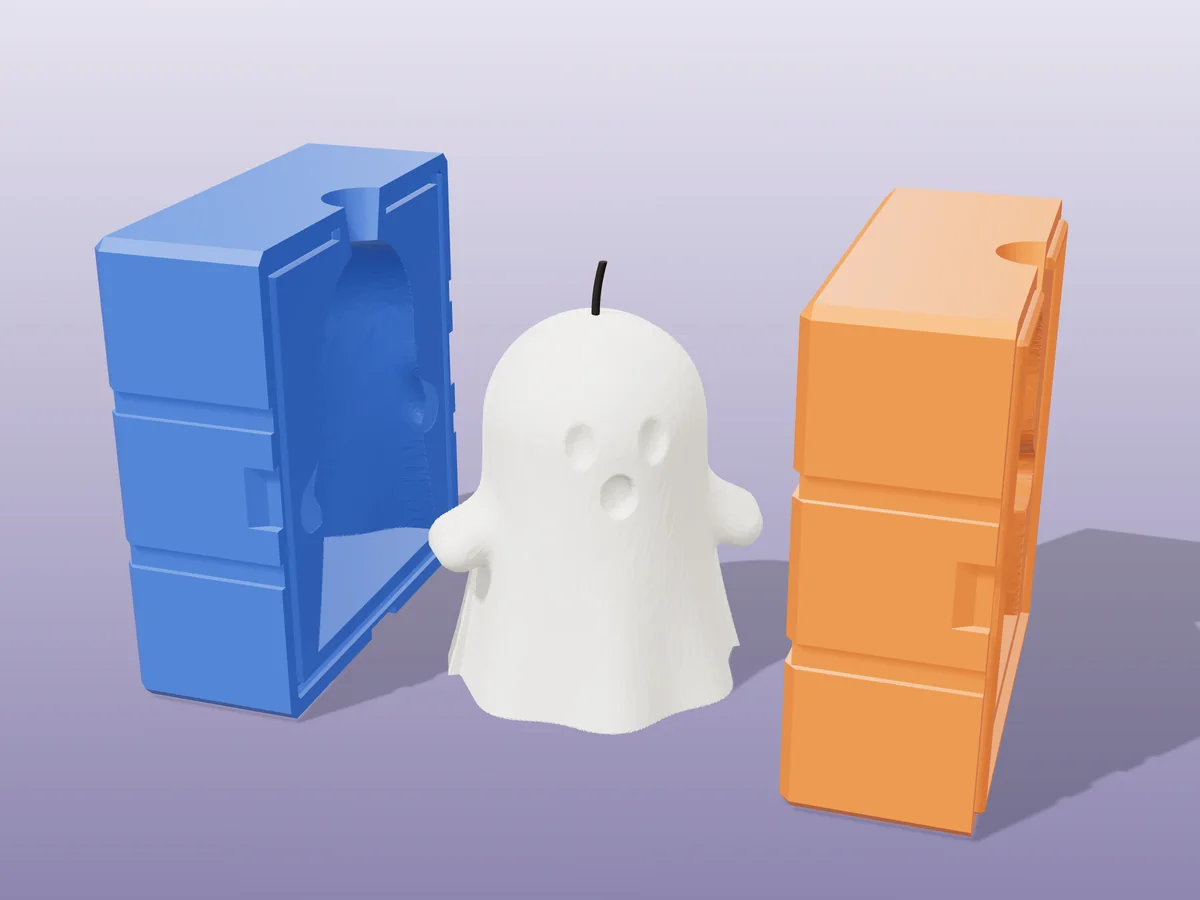
A little sheet ghost with big eyes and an "o" mouth, 86 mm tall. A rigid two-part print for Halloween candles.
 Candle waxPro early access
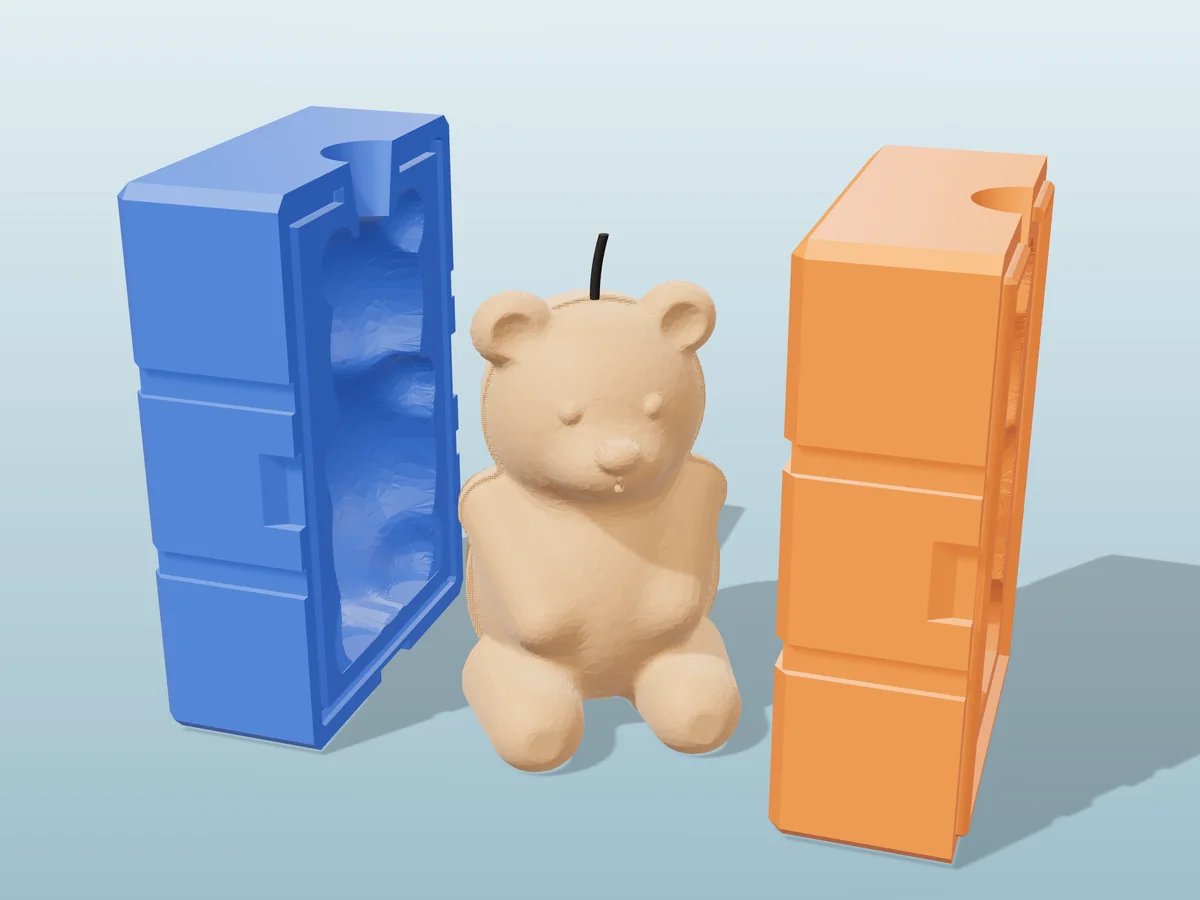
A sitting teddy bear with button eyes, a ribbon bow and its paws on its tummy. A rigid two-part print.
 Candle waxPro early access
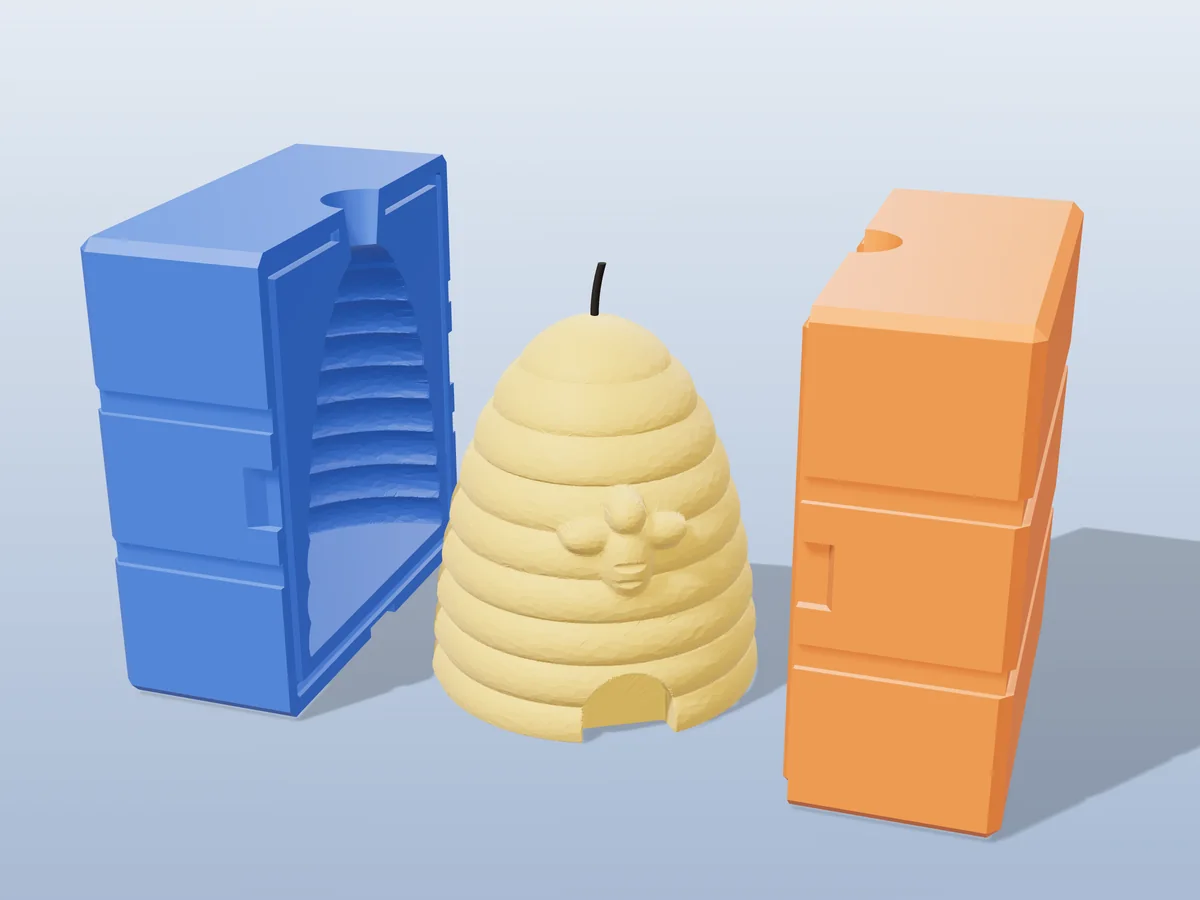
A traditional straw beehive with coiled bands, an arched entrance and a bee above the door. A rigid two-part print.
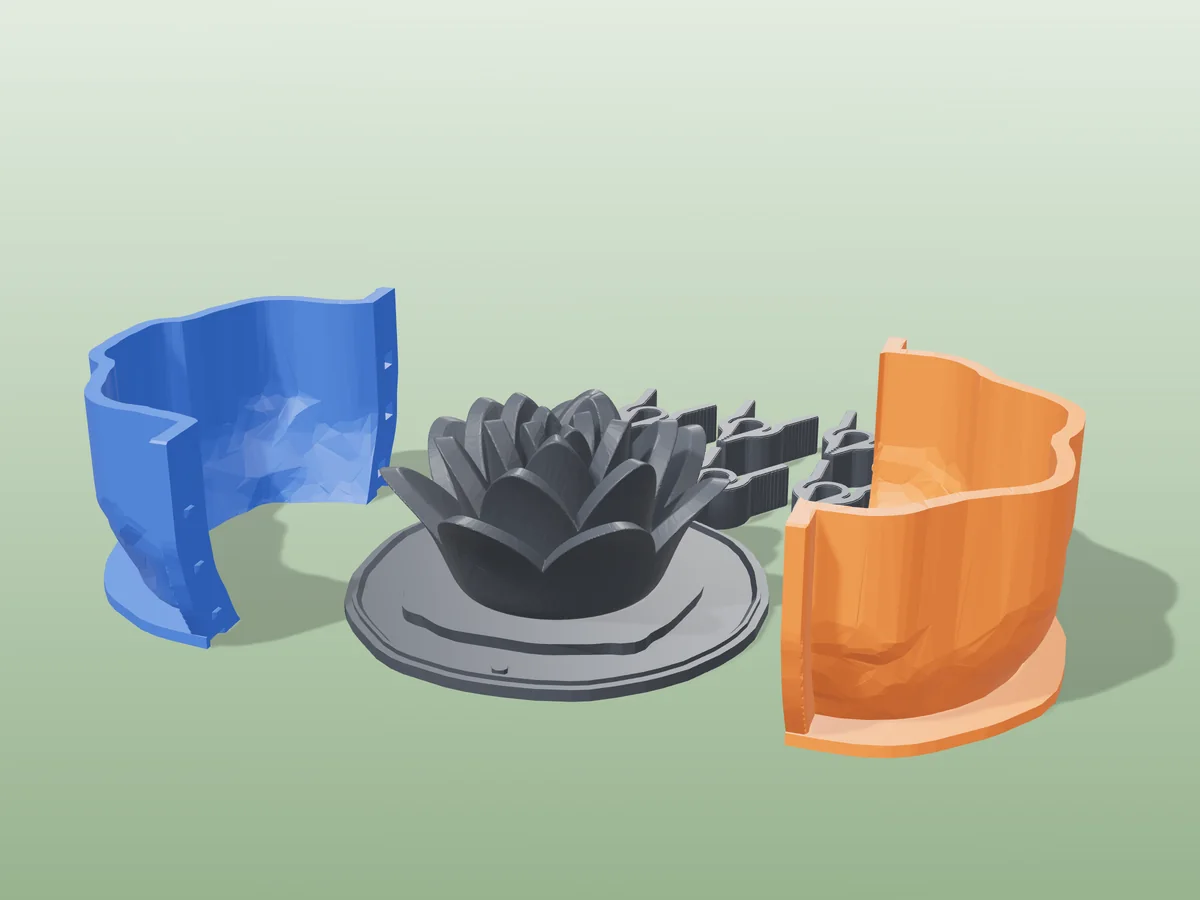 Candle waxPro early access
An 82 mm lotus flower candle, four rings of petals round a closed bud, as a silicone mold from a printed shell.
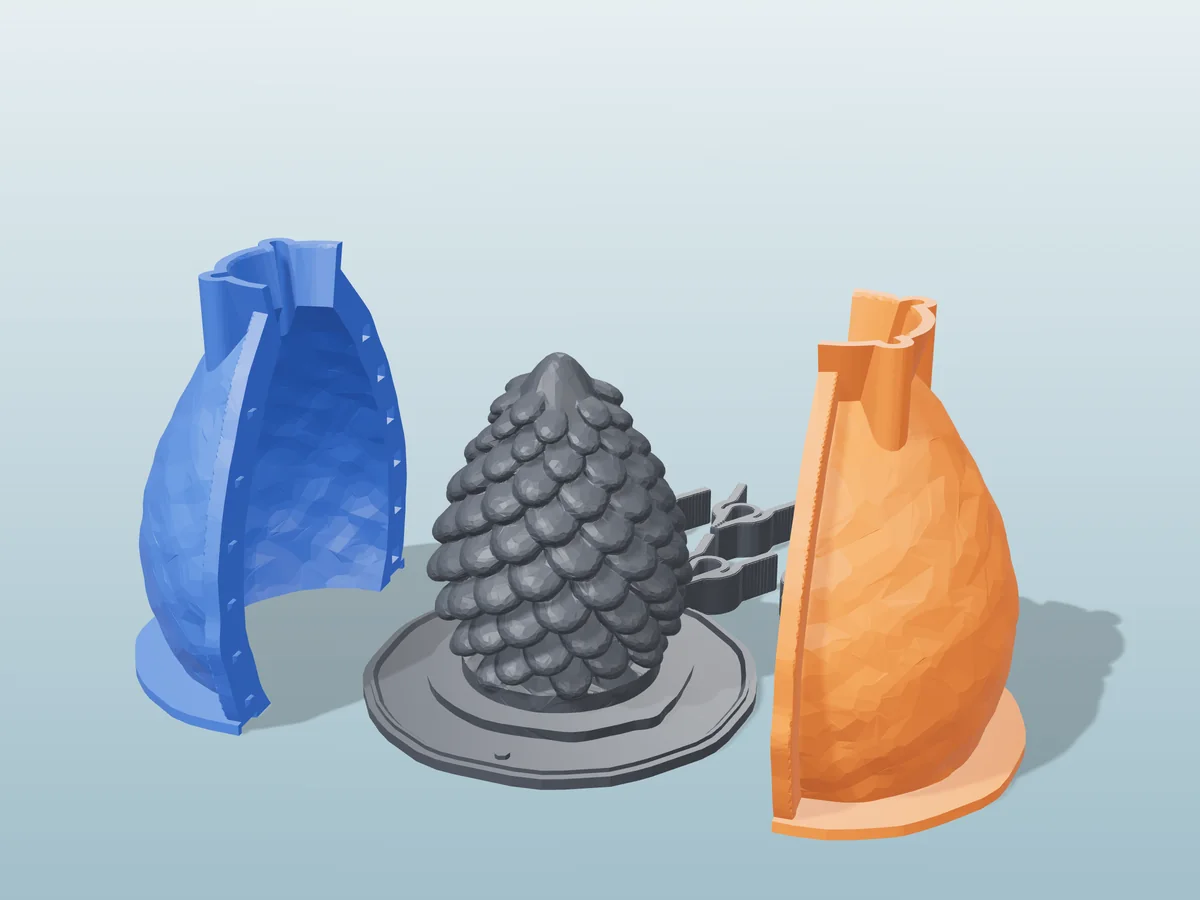 Candle waxPro early access
An 87 mm pine cone candle with 120 overlapping scales, as a silicone mold from a printed shell.
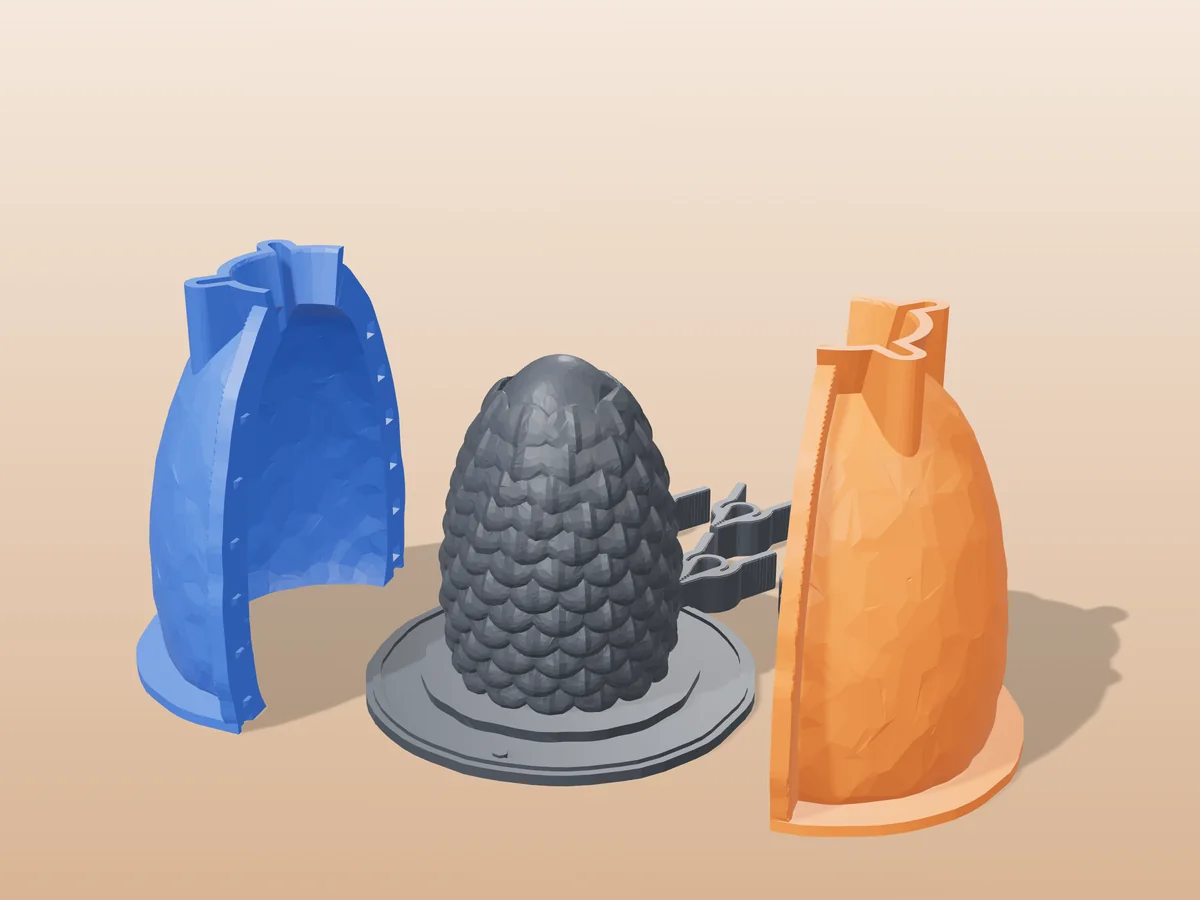 Candle waxPro early access
An 86 mm dragon egg candle covered in rows of overlapping scales, as a silicone mold from a printed shell.
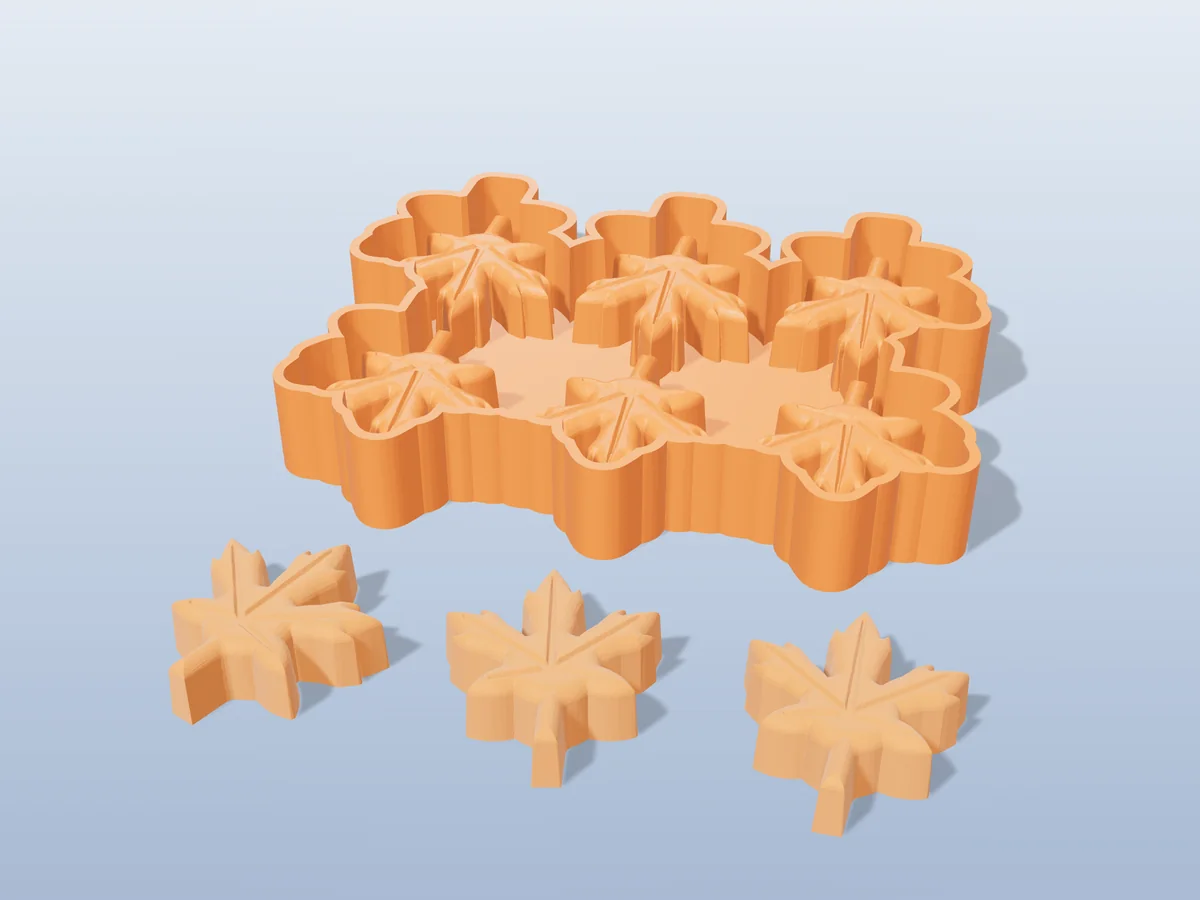 Candle waxPro early access
Six maple leaf wax melts per pour, with the veins pressed in, from a silicone tray you make yourself.
 Candle waxPro early access
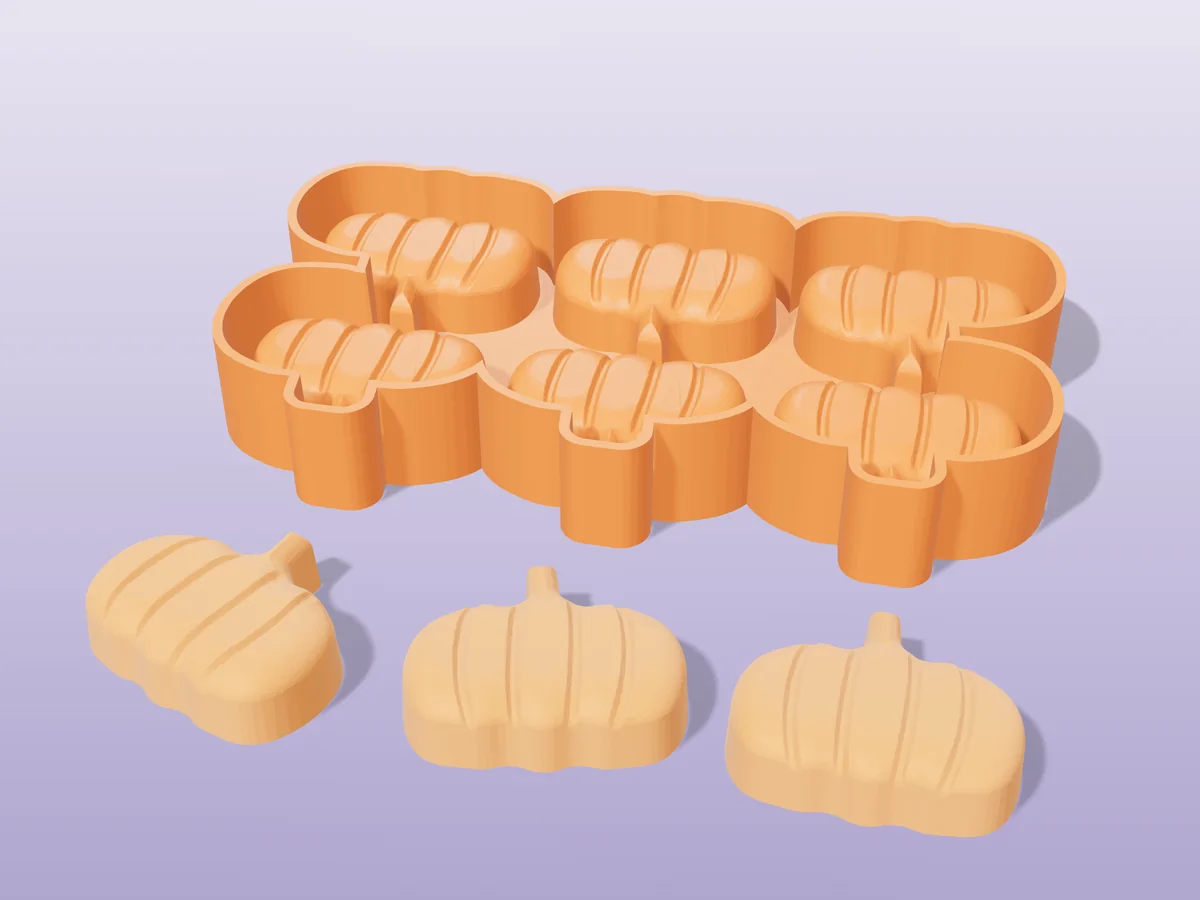
Six plump pumpkin wax melts per pour, ribbed and with a little stem, from a silicone tray you make yourself.